Lal Ambari / Rozelle
Hibiscus sabdariffa
Also known as Red Sorrel, Jamaican Sorrell, Red Tea
- Habit
- Undershrub
- Found in India
- Himachal Pradesh, Kerala, Uttarakhand
- Flowering
- July-February
How to identify Lal Ambari
Identify Lal Ambari by combining habit, leaf characters, flower or fruit details, location, and its family pattern. Do not rely on one feature alone.
- Look for a undershrub habit.
- Check the distinctive field mark: Fleshy red enlarged calyx.
- Confirm leaf margin: Lobed.
- Confirm flower colour: Yellow.
- In season, compare flowering and fruiting time: July-February.
- In India, compare location records such as Himachal Pradesh, Kerala, Uttarakhand.
- Confirm it sits within the Malvaceae family pattern, then compare close relatives before deciding it is Lal Ambari.
Plant Details
- Scientific name
- Hibiscus sabdariffa
- Genus
- Hibiscus
- Family
- Malvaceae
- Habit
- Undershrub
- Native to
- Tropical Africa
- Distribution
- Widely cultivated in all tropics
- Found in India
- Himachal Pradesh, Kerala, Uttarakhand
- Flowering & fruiting
- July-February
- Conservation status
- Not Evaluated (NE)
Leaf characters
- Leaf margin
- LobedrecordedThe edge is divided into rounded or pointed sections that don't reach the midrib.“The leaves are deeply three- to five-lobed, 8–15 cm (3–6 in) long, arranged alternately on the stems.” — Wikipedia, CC BY-SA 4.0
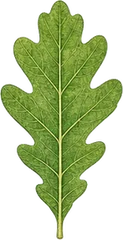
Typical of the family
- Arrangement
- Alternate
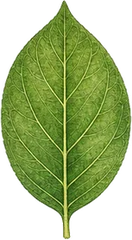
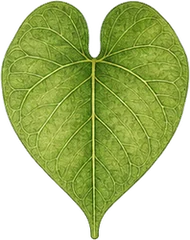
Characters marked “recorded” are for Lal Ambari itself; the rest are typical of the Malvaceae family.
Flower & fruit characters
- Flower colour
- Yellowrecorded
Typical of the family
- Flower symmetry
- Actinomorphic (radially symmetrical)
- Inflorescence
- Solitary
- Fruit
- Capsule
Characters marked “recorded” are for Lal Ambari itself; the rest are typical of the Malvaceae family — flowering plants only.
Local Names
- Hindi
- Lal Ambari, Patwa
- Nepali
- बेलचन्दन
- Bengali
- chukar, চুকাই, চুকুর
- Tamil
- simaikkasuru, sivappukkasuru, shimai-kashuruk-kirai
- Telugu
- erragomgura, erragonkaya, ettagomgura
- Kannada
- ಕೆಂಪುಪುಂಡ್ರಿಕೆ Kempupundrike, ಪುಳಿಚಕೀರೆ Pulichakire, ಪುಂಡಿಬೀಜ Pundibija
- Malayalam
- polechi, puli-cheera, പുളിവെണ്ട
- Marathi
- अंबाडी Ambadi, Tambdi-ambadi, अंबाडी
Lal Ambari in India
This annual shrub, known as Lal Ambari (Hindi), simaikkasuru (Tamil), erragomgura (Telugu), ಕೆಂಪುಪುಂಡ್ರಿಕೆ Kempupundrike (Kannada), polechi (Malayalam), अंबाडी Ambadi (Marathi), is grown for both its sour leaves and its fleshy red calyces. Hibiscus sabdariffa is cultivated across Maharashtra, Telangana, Andhra Pradesh, Kerala, Mizoram, Assam, especially in Andhra Pradesh and Telangana.
Uses
The tart leaves are cooked into gongura pachadi/chutney, a signature Andhra dish, while the fleshy red calyces left after flowering are dried for roselle (hibiscus) tea, jams and cordials.
How to Identify Lal Ambari
An annual shrub with reddish stems and lobed, serrated leaves, often tinged red. Flowers are pale yellow with a dark red centre, opening for a single day, followed by a seed capsule enclosed in a fleshy, bright red calyx that persists and swells after the flower falls.
Frequently Asked Questions
- What is Rozelle called in different Indian languages?
- Lal Ambari (Hindi); simaikkasuru (Tamil); erragomgura (Telugu); ಕೆಂಪುಪುಂಡ್ರಿಕೆ Kempupundrike (Kannada); polechi (Malayalam); अंबाडी Ambadi (Marathi); chukar (Bengali).
- Is gongura the same plant as roselle tea?
- Yes — gongura (the leaves, cooked into chutney) and roselle (the red calyces, dried for tea and jam) both come from Hibiscus sabdariffa, just different parts of the same plant.
- Which part is used for tea?
- The fleshy red calyx that remains after the flower drops is dried and steeped for hibiscus/roselle tea, not the leaves.
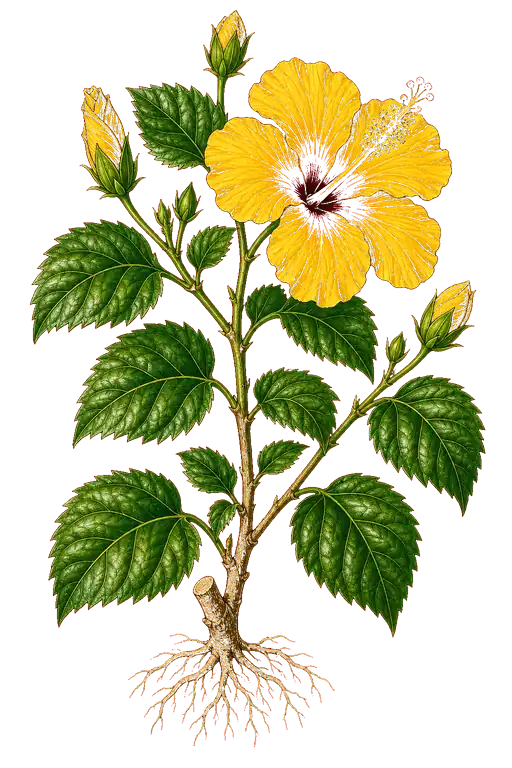
Malvaceae
Mallow/Hibiscus family
Lal Ambari belongs to the Malvaceae family.
The illustration represents the family — not necessarily this exact species.
Explore the Malvaceae familySnap it. Know it.
Point your camera at Lal Ambari or any plant and SASYA identifies it instantly — on-device, offline, and private.
Common plant problems
If you are starting from symptoms instead of a diagnosis, use the plant disease symptom checker to narrow the cause before treating.
All plant problem & care guidesMore in Malvaceae
View all MalvaceaeSources: GBIF — Hibiscus sabdariffa (India distribution & vernacular names) (CC BY 4.0) · Wikipedia — Hibiscus sabdariffa (background/comprehension only) (CC BY-SA 4.0)