
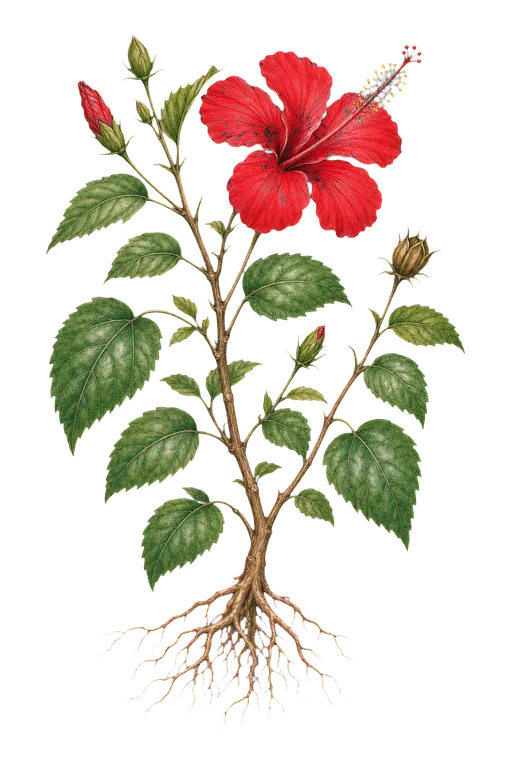
Hibiscus rosa-sinensis
Gudhal / Hibiscus
Also known as Shoe-Flower, Chinese Rose, Chinese Hibiscus, Rose Of China, Tropical Hibiscus
- Habit
- Shrub
- Found in India
- Tamil Nadu, Maharashtra, Gujarat & more
- Flowering
- Throughout the year
Gudhal in regional languages
Find the name you know, then compare it with the botanical profile. Columns list recorded aliases; they are not paired translations. A Latin spelling appears only when it is present in the source record.
| Language | Regional script | Recorded Latin spelling |
|---|---|---|
| Hindi | गुढ़ल · गुड़हल · ला रोजिता | Gurhal, la rojita |
| Nepali | जपा कुसुम · रक्त पुष्पी · बाह्रमासे फूल | Japaa Kusum, Rakta Pushpee, Baahramaase Phool |
| Bengali | জবা | Not recorded |
| Tamil | செம்பருத்தி · செவ்வரத்தம் பூ | cembarutti |
| Telugu | మందార పువ్వు · మందార · ముద్దమందారం | Not recorded |
| Kannada | ದಾಸವಾಳ · ದಾಸಾಳ · ದಾಸವಾಳೆ | Dasavala, Daasaala |
| Malayalam | ചെമ്പരത്തി · ചുവന്ന ചെമ്പരത്തി | Chemparati |
| Marathi | जासवंद · जास्वंद | Jaswand |
| Sinhala | වද | Not recorded |
See the original recorded names
- Hindi
- Gurhal गुढ़ल, गुड़हल,ला रोजिता la rojita
- Nepali
- जपा कुसुम Japaa Kusum, रक्त पुष्पी Rakta Pushpee, बाह्रमासे फूल Baahramaase Phool
- Bengali
- জবা
- Tamil
- செம்பருத்தி cembarutti, செம்பருத்தி, செவ்வரத்தம் பூ
- Telugu
- మందార పువ్వు, మందార, ముద్దమందారం
- Kannada
- ದಾಸವಾಳ Dasavala, ದಾಸಾಳ Daasaala, ದಾಸವಾಳೆ
- Malayalam
- Chemparati, ചെമ്പരത്തി, ചുവന്ന ചെമ്പരത്തി
- Marathi
- Jaswand जासवंद, जास्वंद
- Sinhala
- වද
Gudhal at a glance
Source-linked growing guidance. Adjust care to your climate, season and growing conditions. Unrecorded values are shown explicitly.
- Water & soil moisture
- Keep the root ball evenly moist; check conditions daily Smithsonian Gardens — Hibiscus care ↗︎Checked
- Pet safety
- Not known to be toxic; see source scope
ASPCA's 'Hibiscus' page is H. syriacus (non-toxic) rosa-sinensis is not listed. IVIS: no toxin identified, GI upset in dogs. This source covers pets; a separate human rating is not established here.
IVIS: Hibiscus species — Guide to Poisonous House and Garden Plants ↗︎CheckedWater needs are conditional; these cards do not prescribe a fixed watering interval. Review dates belong to the individual source records.
Toxicity & contact hazards
What the sources report, with their scope intact. A missing rating stays unknown; a non-toxic listing doesn’t rule out irritation, injury or other hazards.
Reported toxicity
Signs listed by the source: dogs may vomit or get diarrhoea after chewing leaves
Growing context & reported issues
Published observations about growing settings, size and common problems. These are context for a plant profile, rather than a diagnosis of the plant in front of you.
Growing setting
Grown in containers, as a houseplant, hedge or screen
Reported size
1.2-3 m tall, 1.5-2.4 m wide
Reported pests & problems
No significant problems, but watch for scale insects
Ecology & growing context
- Native status · Kew WCVP
- WCVP records it as introduced in Andaman Is., Assam, India, Nicobar Is. Kew dataset ↗︎
Kew WCVP dataset; accepted-name match. Dataset matching is separate from an individual regional review. Recorded worldwide native range: as a cultigen derived from artificial hybrids in the S. Pacific.
- Recorded habitat
- Grown as ornamental plant
- Explore nearby plants
- Tamil Nadu →Maharashtra →Gujarat →
Occurrence records show where a plant has been recorded; they do not establish that it is native there. Compare local habitat and growing conditions when choosing plants for a garden.
How to identify Gudhal
Identify Gudhal by combining habit, leaf characters, flower or fruit details, location, and its family pattern. Do not rely on one feature alone.
- Look for a shrub habit.
- Confirm flower colour: Red.
- Use the leaf pattern: alternate leaf arrangement, simple leaves, toothed leaf margins, palmate venation.
- In season, compare flowering and fruiting time: Throughout the year.
- In India, compare location records such as Tamil Nadu, Maharashtra, Gujarat, Assam and nearby regions.
- Confirm it sits within the Malvaceae family pattern, then compare close relatives before deciding it is Gudhal.
Plant Details
- Scientific name
- Hibiscus rosa-sinensis
- Genus
- Hibiscus
- Family
- Malvaceae
- Habit
- Shrub
- Habitat
- Grown as ornamental plant
- Habitat type
- Cultivated
- Native to
- Pacific Islands
- Distribution
- Cultivated in Tropical and Subtropical countries
- Found in India
- Tamil Nadu, Maharashtra, Gujarat, Assam, West Bengal, Kerala, Chhattisgarh, Karnataka, Uttar Pradesh, Goa, Madhya Pradesh, Rajasthan, Uttarakhand, Odisha, Andhra Pradesh, Tripura, Arunachal Pradesh, Himachal Pradesh, Manipur, Puducherry, Sikkim
- Flowering & fruiting
- Throughout the year
- Conservation status
- Not Evaluated (NE)
Leaf characters
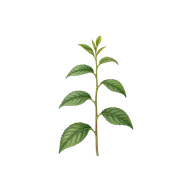
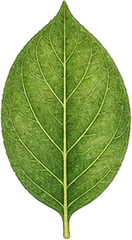

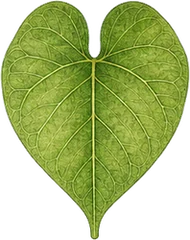
Characters marked “recorded” are for Gudhal itself; the rest are typical of the Malvaceae family.
Flower & fruit characters
- Flower colour
- Redrecorded
Typical of the family
- Inflorescence
- Solitary
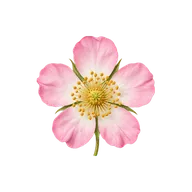
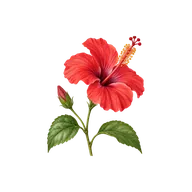
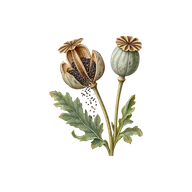
Characters marked “recorded” are for Gudhal itself; the rest are typical of the Malvaceae family — flowering plants only.
Gudhal in India
The big, trumpet-shaped hibiscus is one of India's most planted garden shrubs — Gurhal गुढ़ल (Hindi), செம்பருத்தி cembarutti (Tamil), మందార పువ్వు (Telugu), ದಾಸವಾಳ Dasavala (Kannada), Chemparati (Malayalam), Jaswand जासवंद (Marathi), and 'shoe-flower' in Indian English. Hibiscus rosa-sinensis is grown almost everywhere as an ornamental and temple flower, recorded across Maharashtra, Tamil Nadu, Gujarat, Assam, Kerala, West Bengal.
Uses
The flowers are offered in worship, especially to the goddess Kali and to Ganesha, and red hibiscus is a familiar sight at shrines. Flowers and leaves are a traditional ingredient in hair oils and rinses, and the petals are brewed as a tart tea — attributed traditional uses.
How to Identify Gudhal
An evergreen shrub with glossy, coarsely toothed leaves and showy five-petalled flowers in red, pink, yellow or white, each with a long central column of fused stamens tipped by the stigma. Most garden forms set little or no seed and are grown from cuttings.
Frequently Asked Questions
- What is Shoe-flower called in different Indian languages?
- Gurhal गुढ़ल (Hindi); செம்பருத்தி cembarutti (Tamil); మందార పువ్వు (Telugu); ದಾಸವಾಳ Dasavala (Kannada); Chemparati (Malayalam); Jaswand जासवंद (Marathi); জবা (Bengali).
- Is hibiscus good for hair?
- Hibiscus flowers and leaves are a long-standing ingredient in traditional Indian hair oils and rinses; this is a customary use, not a medical claim.
- Why does a hibiscus flower last only a day?
- Each bloom typically opens for a single day, but a healthy plant flowers almost continuously through the warm months, so there are fresh flowers daily.
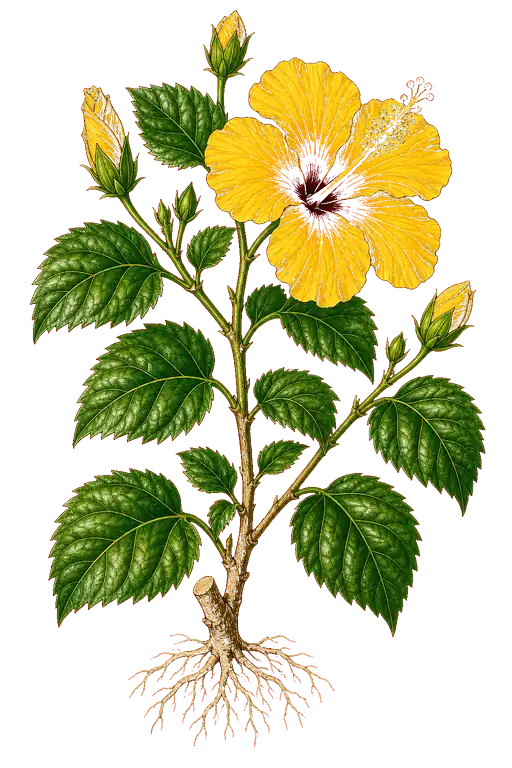
Malvaceae
Mallow/Hibiscus family
Gudhal belongs to the Malvaceae family.
The illustration represents the family — not necessarily this exact species.
Explore the Malvaceae familySnap it. Know it.
Point your camera at Gudhal or any plant and SASYA identifies it instantly — on-device, offline, and private.
Common plant problems
If you are starting from symptoms instead of a diagnosis, use the plant disease symptom checker to narrow the cause before treating.
All plant problem & care guidesMore in Malvaceae
View all MalvaceaeSources: GBIF — Hibiscus rosa-sinensis (India distribution & vernacular names) (CC BY 4.0) · iNaturalist — Hibiscus rosa-sinensis (regional names, India observations) (CC BY 4.0) · Wikipedia — Hibiscus rosa-sinensis (background/comprehension only) (CC BY-SA 4.0)