
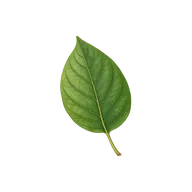
Typical of the Clusiaceae family
Garcinia xanthochymus
Jharambi / Mysore Gamboge
Also known as Egg Tree, Himalayan Garcinia, Sour Mangosteen, Yellow Mangosteen
- Habit
- Tree
- Found in India
- Karnataka, Andaman & Nicobar Islands, Arunachal Pradesh & more
- Flowering
- Throughout the year
Jharambi in regional languages
Find the name you know, then compare it with the botanical profile. Columns list recorded aliases; they are not paired translations. A Latin spelling appears only when it is present in the source record.
| Language | Regional script | Recorded Latin spelling |
|---|---|---|
| Hindi | Not recorded | Jharambi, Tamal, Tumul, Dampel |
| Nepali | छुंयाल | Chunyal |
| Bengali | ডেফল | chalata |
| Tamil | பச்சிலை | Paccilai, Pachilai, Pacchilai, Kulavi |
| Kannada | ದೇವಗರಿಕೆ · ದೇವಣಿಗೆ | Devajarige, Devagarike, Devangi, Deavkai |
| Malayalam | Not recorded | anavaya, pinar, samudrapacca |
| Marathi | Not recorded | Dharambo, Jharambi, Ota |
| Assamese | টেপৰটেঙা | Not recorded |
See the original recorded names
- Hindi
- Jharambi, Tamal, Tumul, Dampel
- Nepali
- छुंयाल Chunyal
- Bengali
- chalata, ডেফল
- Tamil
- பச்சிலை Paccilai, Pachilai, Pacchilai, Kulavi
- Kannada
- Devajarige, ದೇವಗರಿಕೆ Devagarike, ದೇವಣಿಗೆ Devangi, Deavkai
- Malayalam
- anavaya, pinar, samudrapacca
- Marathi
- Dharambo, Jharambi, Ota
- Assamese
- টেপৰটেঙা
Ecology & growing context
- Native status · Kew WCVP
- WCVP native range includes Andaman Is., Assam, India Kew dataset ↗︎
Kew WCVP dataset; accepted-name match. Dataset matching is separate from an individual regional review. Recorded worldwide native range: Indian Subcontinent to China (Yunnan, SW. Guangxi) and Indo-China.
- Explore nearby plants
- Karnataka →Andaman & Nicobar Islands →Arunachal Pradesh →
Occurrence records show where a plant has been recorded; they do not establish that it is native there. Compare local habitat and growing conditions when choosing plants for a garden.
How to identify Jharambi
Identify Jharambi by combining habit, leaf characters, flower or fruit details, location, and its family pattern. Do not rely on one feature alone.
- Look for a tree habit.
- Check the distinctive field mark: Egg-shaped yellow-orange sour fruit.
- Confirm leaf shape: Lanceolate.
- Confirm flower colour: White.
- In season, compare flowering and fruiting time: Throughout the year.
- In India, compare location records such as Karnataka, Andaman & Nicobar Islands, Arunachal Pradesh, Assam and nearby regions.
- Confirm it sits within the Clusiaceae family pattern, then compare close relatives before deciding it is Jharambi.
Plant Details
- Scientific name
- Garcinia xanthochymus
- Genus
- Garcinia
- Family
- Clusiaceae
- Habit
- Tree
- Distribution
- India, Bangladesh, Myanmar, China, Thailand, Malay Peninsula
- Found in India
- Karnataka, Andaman & Nicobar Islands, Arunachal Pradesh, Assam, Goa
- Flowering & fruiting
- Throughout the year
- Conservation status
- Not Evaluated (NE)
Leaf characters
- Leaf shape
- LanceolaterecordedLong and narrow, tapering to a point, like a lance head.“Leaves are oblong to lanceolate, 15.4-30.5 cm x (4-)6–12 cm.” — Wikipedia, CC BY-SA 4.0
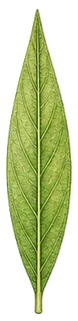
Typical of the family
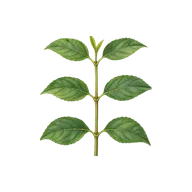
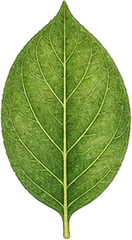
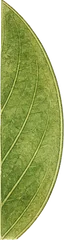
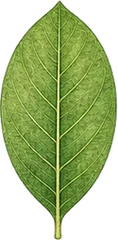
Characters marked “recorded” are for Jharambi itself; the rest are typical of the Clusiaceae family.
Flower & fruit characters
- Flower colour
- Whiterecorded
Typical of the family
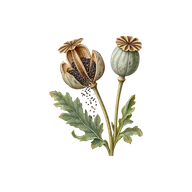
Characters marked “recorded” are for Jharambi itself; the rest are typical of the Clusiaceae family — flowering plants only.
About Jharambi
Mysore Gamboge (Garcinia xanthochymus) belongs to the Clusiaceae family, where it grows as a tree. In India it has been recorded in Karnataka, Andaman & Nicobar Islands, Arunachal Pradesh and 2 other states. It flowers and fruits through much of the year.
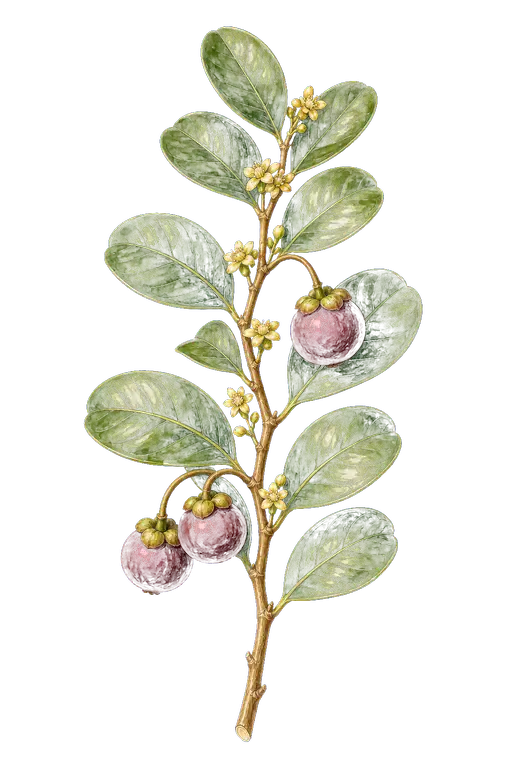
Clusiaceae
Mangosteen/Garcinia family
Jharambi belongs to the Clusiaceae family.
The illustration represents the family — not necessarily this exact species.
Explore the Clusiaceae familySnap it. Know it.
Point your camera at Jharambi or any plant and SASYA identifies it instantly — on-device, offline, and private.
Common plant problems
If you are starting from symptoms instead of a diagnosis, use the plant disease symptom checker to narrow the cause before treating.
All plant problem & care guides