
Kokum / Coccum
Garcinia indica
Also known as Brindonia Tallow Tree, Goa-Butter, Indian Gamboge, Indian Tallow Tree, Kokam Butter Tree, Mangosteen Oil Tree, Wild Mangosteen
- Habit
- Tree
- Found in India
- Maharashtra, Tamil Nadu, Goa & more
- Flowering
- November-August
How to identify Kokum
Identify Kokum by combining habit, leaf characters, flower or fruit details, location, and its family pattern. Do not rely on one feature alone.
- Look for a tree habit.
- Check the distinctive field mark: Sour dark red fruit rind used as kokum.
- Confirm leaf shape: Elliptic (widest at middle).
- Confirm flower colour: Red.
- Confirm fruit type: Berry.
- In season, compare flowering and fruiting time: November-August.
- In India, compare location records such as Maharashtra, Tamil Nadu, Goa, Karnataka and nearby regions.
Plant Details
- Scientific name
- Garcinia indica
- Genus
- Garcinia
- Family
- Clusiaceae
- Habit
- Tree
- Habitat
- Cultivated
- Habitat type
- Cultivated
- Native to
- India
- Found in India
- Maharashtra, Tamil Nadu, Goa, Karnataka, Gujarat
- Flowering & fruiting
- November-August
- Conservation status
- Not Evaluated (NE)
Leaf characters
- Leaf shape
- Elliptic (widest at middle)recorded
Typical of the family
- Arrangement
- Opposite
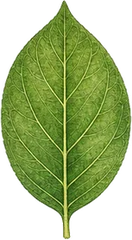


Characters marked “recorded” are for Kokum itself; the rest are typical of the Clusiaceae family.
Flower & fruit characters
- Flower colour
- Redrecorded
- Fruit type
- BerryrecordedA fleshy fruit with seeds embedded directly in the pulp, no central stone.“The berries ripen in the summer.” — Wikipedia, CC BY-SA 4.0
Typical of the family
- Fruit
- Capsule
Characters marked “recorded” are for Kokum itself; the rest are typical of the Clusiaceae family — flowering plants only.
Local Names
- Hindi
- कोकम Kokum,कोकम kokam
- Tamil
- murgal, murgal-mara, முருகல்
- Telugu
- కొకుంబ
- Kannada
- ಮುರ್ಗಿನ ಹುಳಿ Murgina huli, ಪುನರ್ಪುಳಿ Punarpuli, Devana huli
- Malayalam
- കാട്ടമ്പി kaattampi, കൊക്കം kokkam, കോകം
- Marathi
- भेरंड bheranda, भिरंड bhiranda, कोकंब kokamba, कोकम
Kokum in India
Kokum, known as कोकम Kokum (Hindi), murgal (Tamil), కొకుంబ (Telugu), ಮುರ್ಗಿನ ಹುಳಿ Murgina huli (Kannada), കാട്ടമ്പി kaattampi (Malayalam), भेरंड bheranda (Marathi), is a signature fruit of India's Konkan coast. Garcinia indica is found across Maharashtra, Tamil Nadu, Goa, Karnataka, Gujarat, typically in the humid forests of the Western Ghats.
Uses
The dried rind is a classic souring agent in Konkani and Goan cooking (fish curries, saol/solkadhi), the fruit is made into the cooling summer drink kokum sherbet, and the seed fat (kokum butter) is used in cosmetics and confectionery.
How to Identify Kokum
A slender evergreen tree with drooping branches and glossy, dark green leaves that flush pinkish when young. Flowers are small and reddish, followed by round fruit that ripens from green to a deep purple-red, its rind dried into the familiar dark, tangy kokum.
Frequently Asked Questions
- What is Coccum called in different Indian languages?
- कोकम Kokum (Hindi); murgal (Tamil); కొకుంబ (Telugu); ಮುರ್ಗಿನ ಹುಳಿ Murgina huli (Kannada); കാട്ടമ്പി kaattampi (Malayalam); भेरंड bheranda (Marathi).
- What is kokum used for?
- Its dried rind souring Konkani and Goan curries, its juice made into kokum sherbet, and its seed fat pressed into kokum butter for cosmetics and confectionery.
- Is kokum the same as tamarind?
- No — both are used to add sourness to cooking, but they're unrelated plants (Garcinia indica vs. Tamarindus indica) with distinctly different flavours.
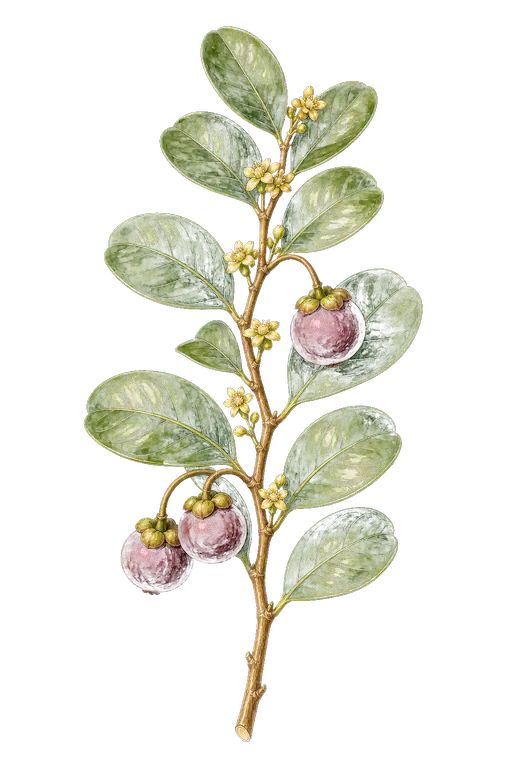
Clusiaceae
Mangosteen/Garcinia family
Kokum belongs to the Clusiaceae family.
The illustration represents the family — not necessarily this exact species.
Explore the Clusiaceae familySnap it. Know it.
Point your camera at Kokum or any plant and SASYA identifies it instantly — on-device, offline, and private.
Common plant problems
If you are starting from symptoms instead of a diagnosis, use the plant disease symptom checker to narrow the cause before treating.
All plant problem & care guidesMore in Clusiaceae
View all ClusiaceaeSources: GBIF — Garcinia indica (India distribution & vernacular names) (CC BY 4.0) · Wikipedia — Garcinia indica (background/comprehension only) (CC BY-SA 4.0)