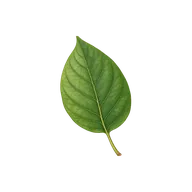
Typical of the Apocynaceae family
Cerbera odollam
Othallam / Odollum Tree ഉതളം
Malayalam name · See all regional names ↓
Also known as Dog-Bane, Chiute, Grey Milkwood, Sea Mango
- Habit
- Tree
- Found in India
- Kerala, Madhya Pradesh, Karnataka & more
- Flowering
- July-November
Othallam in regional languages
Find the name you know, then compare it with the botanical profile. Columns list recorded aliases; they are not paired translations. A Latin spelling appears only when it is present in the source record.
| Language | Regional script | Recorded Latin spelling |
|---|---|---|
| Bengali | ডাবুর | dabur |
| Tamil | காட்டலரி · உதளை · காட்டரளி | kattalari, utalai |
| Telugu | అడవి అరళి | adavi arali |
| Kannada | ಚಂಡೆ · ಹೊಂಡೆ · ಮೊಂಡೆ ಮರ | Chande, Honde, Monde mara |
| Malayalam | ഉതളം · ഒതളം · സെർബെറാ ഒഡോളം | othallam |
| Marathi | सुकाणु | sukanu |
| Sinhala | ගොන් කදුරු | Not recorded |
See the original recorded names
- Bengali
- ডাবুর dabur, ডাবুর
- Tamil
- காட்டலரி kattalari, உதளை utalai, காட்டரளி
- Telugu
- అడవి అరళి adavi arali
- Kannada
- ಚಂಡೆ Chande, ಹೊಂಡೆ Honde, ಮೊಂಡೆ ಮರ Monde mara
- Malayalam
- ഉതളം othallam, ഒതളം, സെർബെറാ ഒഡോളം
- Marathi
- सुकाणु sukanu
- Sinhala
- ගොන් කදුරු
Ecology & growing context
- Native status · Kew WCVP
- WCVP native range includes Andaman Is., India, Nicobar Is. Kew dataset ↗
Kew WCVP dataset; accepted-name match. Dataset matching is separate from an individual regional review. Recorded worldwide native range: S. India to Pacific.
- Recorded habitat
- Water courses
- Explore nearby plants
- Kerala →Madhya Pradesh →Karnataka →
Occurrence records show where a plant has been recorded; they do not establish that it is native there. Compare local habitat and growing conditions when choosing plants for a garden.
How to identify Othallam
Identify Othallam by combining habit, leaf characters, flower or fruit details, location, and its family pattern. Do not rely on one feature alone.
- Look for a tree habit.
- Check the distinctive field mark: Highly poisonous seeds and fruit (suicide tree).
- Confirm flower colour: White.
- In season, compare flowering and fruiting time: July-November.
- In India, compare location records such as Kerala, Madhya Pradesh, Karnataka, Maharashtra and nearby regions.
- Confirm it sits within the Apocynaceae family pattern, then compare close relatives before deciding it is Othallam.
Plant Details
- Scientific name
- Cerbera odollam
- Genus
- Cerbera
- Family
- Apocynaceae
- Habit
- Tree
- Habitat
- Water courses
- Habitat type
- Wetland
- Native to
- India, Southeast Asia
- Distribution
- India, Sri Lanka, Malesia
- Found in India
- Kerala, Madhya Pradesh, Karnataka, Maharashtra, West Bengal, Andaman & Nicobar Islands, Sikkim, Uttar Pradesh
- Flowering & fruiting
- July-November
- Conservation status
- Not Evaluated (NE)
Leaf characters
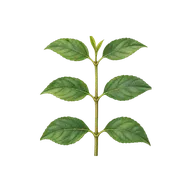
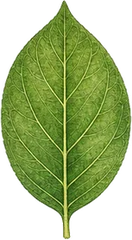

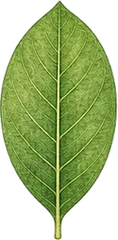
Typical of the Apocynaceae family — a field-mark hint, not measured for this exact species.
Flower & fruit characters
- Flower colour
- Whiterecorded
Typical of the family
- Inflorescence
- Cyme
- Fruit
- Follicle

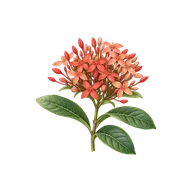
Characters marked “recorded” are for Othallam itself; the rest are typical of the Apocynaceae family — flowering plants only.
Othallam in India
This coastal tree, known as காட்டலரி kattalari (Tamil), అడవి అరళి adavi arali (Telugu), ಚಂಡೆ Chande (Kannada), ഉതളം othallam (Malayalam), सुकाणु sukanu (Marathi), ডাবুর dabur (Bengali), is best known for its highly toxic seeds. Cerbera odollam is found across Kerala, Andaman and Nicobar, Madhya Pradesh, Karnataka, Maharashtra, West Bengal, typically along tidal creeks and coastal wetlands.
Uses
It has little culinary or common household use — its wood is occasionally used locally, but the tree is far better known, and should be treated with caution, for the severe toxicity of its seeds.
How to Identify Othallam
A tree with milky sap and glossy, narrow, whorled leaves. Fragrant white flowers with a yellow-pink centre are followed by a smooth, egg-shaped green fruit that resembles a small mango — the fruit and especially its seed kernel are highly toxic and should never be eaten.
Frequently Asked Questions
- What is Odollum Tree called in different Indian languages?
- காட்டலரி kattalari (Tamil); అడవి అరళి adavi arali (Telugu); ಚಂಡೆ Chande (Kannada); ഉതളം othallam (Malayalam); सुकाणु sukanu (Marathi); ডাবুর dabur (Bengali).
- Why is it called the 'suicide tree'?
- Its seed kernel contains a potent cardiac toxin and has a well-documented history of misuse for self-harm and poisoning in parts of South and Southeast Asia — a serious reason to never eat any part of this plant.
- Does the fruit look edible?
- Yes, concerningly so — it resembles a small green mango, which is part of why accidental poisonings have occurred; it should never be eaten under any circumstance.
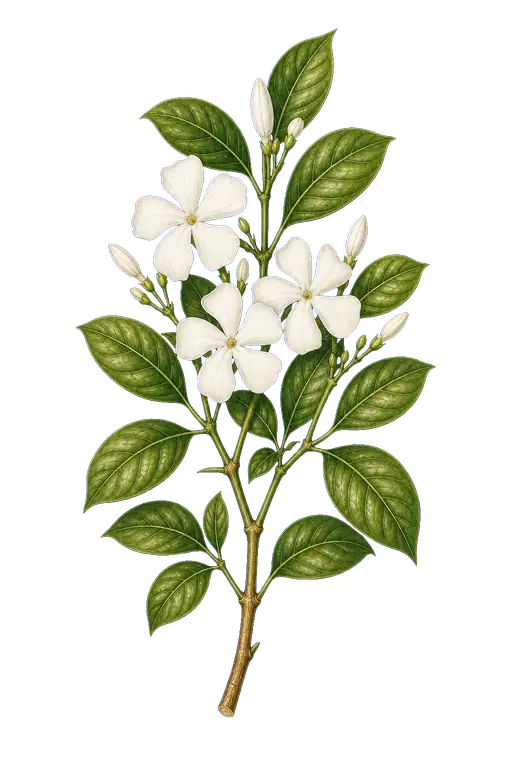
Apocynaceae
Dogbane family
Othallam belongs to the Apocynaceae family.
The illustration represents the family — not necessarily this exact species.
Explore the Apocynaceae familySnap it. Know it.
Point your camera at Othallam or any plant and SASYA identifies it instantly — on-device, offline, and private.
Common plant problems
If you are starting from symptoms instead of a diagnosis, use the plant disease symptom checker to narrow the cause before treating.
All plant problem & care guidesMore in Apocynaceae
View all ApocynaceaeSources: GBIF — Cerbera odollam (India distribution & vernacular names) (CC BY 4.0) · Wikipedia — Cerbera odollam (background/comprehension only) (CC BY-SA 4.0)