
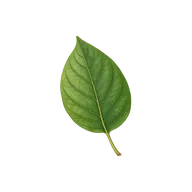
Illustrative leaf, not this species
Celtis tetrandra
Khirk / Niligiri Elm
- Habit
- Tree
- Found in India
- Tamil Nadu, Karnataka, Uttarakhand & more
- Flowering
- February-October
Khirk in regional languages
Find the name you know, then compare it with the botanical profile. Columns list recorded aliases; they are not paired translations. A Latin spelling appears only when it is present in the source record.
| Language | Regional script | Recorded Latin spelling |
|---|---|---|
| Hindi | Not recorded | Khirk |
| Nepali | खरी | Khari |
| Tamil | Not recorded | Ada, Kona |
| Kannada | ಆಡುವ · ಗರುಕೆ | Aaduva, Adona, Garuke |
| Malayalam | Not recorded | Karukka, Garuka |
| Marathi | Not recorded | Brumaj |
See the original recorded names
- Hindi
- Khirk
- Nepali
- खरी Khari
- Tamil
- Ada, Kona
- Kannada
- ಆಡುವ Aaduva, Adona, ಗರುಕೆ Garuke
- Malayalam
- Karukka, Garuka
- Marathi
- Brumaj
Ecology & growing context
- Native status · Kew WCVP
- WCVP native range includes Assam, India, West Himalaya Kew dataset ↗︎
Kew WCVP dataset; accepted-name match. Dataset matching is separate from an individual regional review. Recorded worldwide native range: N. Pakistan to S. China and W. Malesia.
- Recorded habitat
- Shola forests, Moist deciduous, Semi-Evergreen forests
- Explore nearby plants
- Tamil Nadu →Karnataka →Uttarakhand →
Occurrence records show where a plant has been recorded; they do not establish that it is native there. Compare local habitat and growing conditions when choosing plants for a garden.
How to identify Khirk
Identify Khirk by combining habit, leaf characters, flower or fruit details, location, and its family pattern. Do not rely on one feature alone.
- Look for a tree habit.
- Check the distinctive field mark: Found in the Nilgiri hills.
- In season, compare flowering and fruiting time: February-October.
- In India, compare location records such as Tamil Nadu, Karnataka, Uttarakhand, Maharashtra and nearby regions.
- Confirm it sits within the Ulmaceae family pattern, then compare close relatives before deciding it is Khirk.
Plant Details
- Scientific name
- Celtis tetrandra
- Genus
- Celtis
- Family
- Ulmaceae
- Habit
- Tree
- Habitat
- Shola forests, Moist deciduous, Semi-Evergreen forests
- Habitat type
- Forest
- Native to
- Indo-Malaysia
- Distribution
- India, Indo-China, Himalayas, China, Myanmar, Nepal, Malaysia
- Found in India
- Tamil Nadu, Karnataka, Uttarakhand, Maharashtra, Assam, Himachal Pradesh, Andhra Pradesh, Arunachal Pradesh, Jammu & Kashmir, Kerala, Punjab, West Bengal
- Flowering & fruiting
- February-October
- Conservation status
- Not Evaluated (NE)
Leaf characters
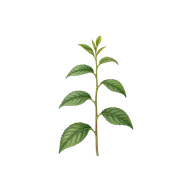
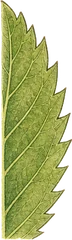
Typical of the Ulmaceae family — a field-mark hint, not measured for this exact species.
Flower & fruit characters
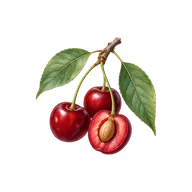
Typical of the Ulmaceae family — flowering plants only; individual species can differ.
About Khirk
Niligiri Elm (Celtis tetrandra) belongs to the Ulmaceae family, where it grows as a tree. In India it has been recorded in Tamil Nadu, Karnataka, Uttarakhand and 9 other states. It grows in shola forests, Moist deciduous, Semi-Evergreen forests. Flowering and fruiting run from February to October.
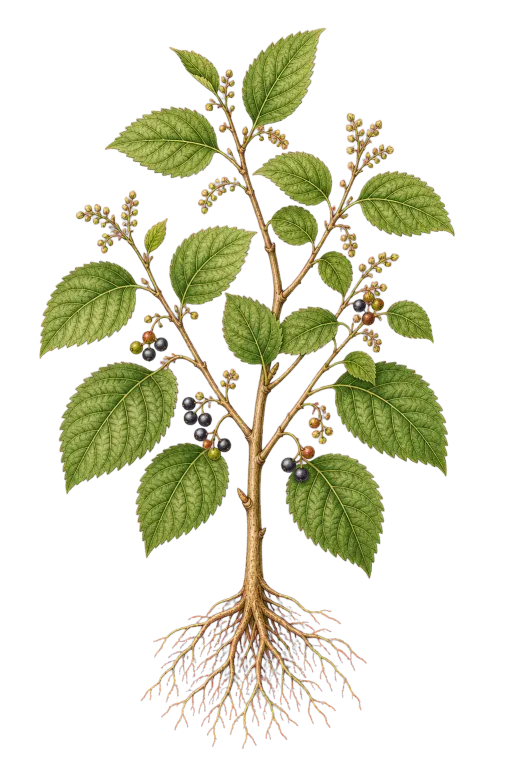
Ulmaceae
Elm Family
Khirk belongs to the Ulmaceae family.
The illustration represents the family — not necessarily this exact species.
Explore the Ulmaceae familySnap it. Know it.
Point your camera at Khirk or any plant and SASYA identifies it instantly — on-device, offline, and private.
Common plant problems
If you are starting from symptoms instead of a diagnosis, use the plant disease symptom checker to narrow the cause before treating.
All plant problem & care guides