
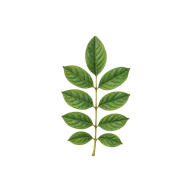
As recorded for Pithauni
Aglaia odorata
Pithauni / Chinese Perfume Plant पिथौनी
Hindi name · See all regional names ↓
- Habit
- Tree
- Found in India
- Delhi, Tamil Nadu, Uttar Pradesh & more
Pithauni in regional languages
Find the name you know, then compare it with the botanical profile. Columns list recorded aliases; they are not paired translations. A Latin spelling appears only when it is present in the source record.
| Language | Regional script | Recorded Latin spelling |
|---|---|---|
| Hindi | पिथौनी | Daula, Davada, Pithauni |
| Kannada | Not recorded | Kabiyalbone |
| Malayalam | Not recorded | Muvila, Orila |
| Marathi | पिथवन | Davala, Debra, Pithavana |
See the original recorded names
- Hindi
- Daula, Davada, पिथौनी Pithauni
- Kannada
- Kabiyalbone
- Malayalam
- Muvila, Orila
- Marathi
- Davala, Debra, पिथवन Pithavana
Ecology & growing context
- Native status · Kew WCVP
- WCVP native range does not include India Kew dataset ↗︎
Kew WCVP dataset; accepted-name match. Dataset matching is separate from an individual regional review. Recorded worldwide native range: China (Guangxi, Guangdong) to Pen. Malaysia. Not listed native does not establish introduction or absence from India.
- Recorded habitat
- Grown in gardens
- Explore nearby plants
- Delhi →Tamil Nadu →Uttar Pradesh →
Occurrence records show where a plant has been recorded; they do not establish that it is native there. Compare local habitat and growing conditions when choosing plants for a garden.
How to identify Pithauni
Identify Pithauni by combining habit, leaf characters, flower or fruit details, location, and its family pattern. Do not rely on one feature alone.
- Look for a tree habit.
- Check the distinctive field mark: Strongly fragrant tiny flowers (Chinese perfume plant).
- Confirm leaf type: Pinnately compound (leaflets in rows along a stalk).
- Confirm flower colour: Yellow.
- Confirm flower arrangement: Raceme.
- In India, compare location records such as Delhi, Tamil Nadu, Uttar Pradesh, West Bengal.
- Confirm it sits within the Meliaceae family pattern, then compare close relatives before deciding it is Pithauni.
Plant Details
- Scientific name
- Aglaia odorata
- Genus
- Aglaia
- Family
- Meliaceae
- Habit
- Tree
- Habitat
- Grown in gardens
- Habitat type
- Cultivated
- Native to
- Malaysian Region
- Found in India
- Delhi, Tamil Nadu, Uttar Pradesh, West Bengal
Leaf characters
- Leaf type
- Pinnately compound (leaflets in rows along a stalk)recorded
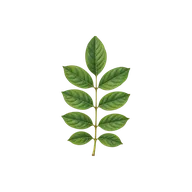
Typical of the family
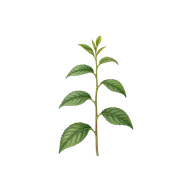
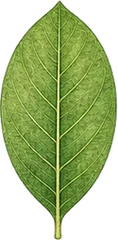
Characters marked “recorded” are for Pithauni itself; the rest are typical of the Meliaceae family.
Flower & fruit characters
- Flower colour
- Yellowrecorded
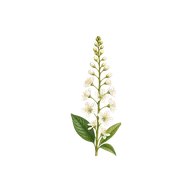
- Flower arrangement
- RacemerecordedIndividual stalked flowers arranged along a central stem, opening from bottom to top.“It has small golden yellow raceme oval-shaped flowers with 6 petals.” — Wikipedia, CC BY-SA 4.0
Typical of the family
- Inflorescence
- Panicle
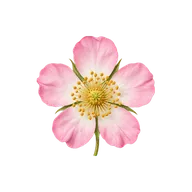
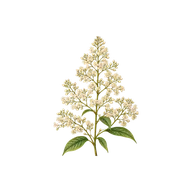
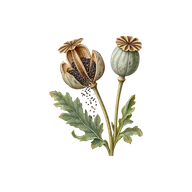
Characters marked “recorded” are for Pithauni itself; the rest are typical of the Meliaceae family — flowering plants only.
About Pithauni
A member of the Meliaceae family, Chinese Perfume Plant (Aglaia odorata) is a tree. In India it has been recorded in Delhi, Tamil Nadu, Uttar Pradesh and 1 other states. It is grown in gardens.
Uses
It is long used in traditional medicine and distilled for an aromatic oil. Those medicinal uses are traditional attributions, not medical advice. Parts of this plant are reported as poisonous — treat it as unsafe to eat and wash your hands after handling.
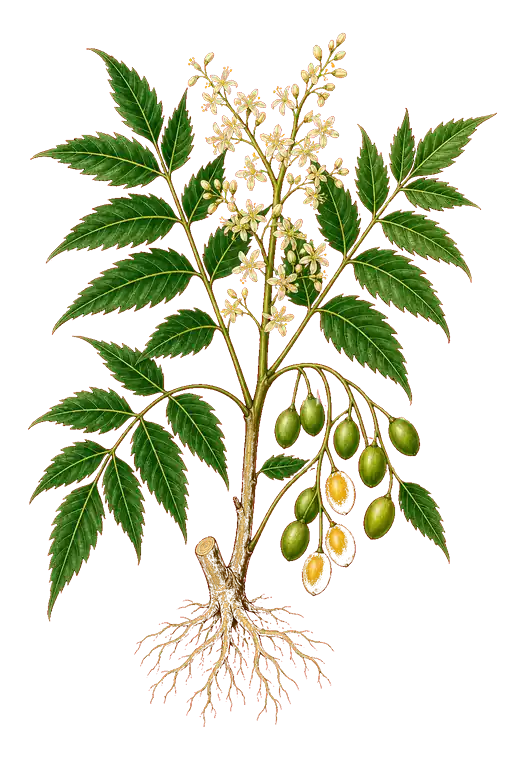
Meliaceae
Mahogany/Neem family
Pithauni belongs to the Meliaceae family.
The illustration represents the family — not necessarily this exact species.
Explore the Meliaceae familySnap it. Know it.
Point your camera at Pithauni or any plant and SASYA identifies it instantly — on-device, offline, and private.
Common plant problems
If you are starting from symptoms instead of a diagnosis, use the plant disease symptom checker to narrow the cause before treating.
All plant problem & care guides