
How to identify Aglaia canarana
Identify Aglaia canarana by combining habit, leaf characters, flower or fruit details, location, and its family pattern. Do not rely on one feature alone.
- Look for a tree habit.
- Confirm leaf type: Pinnately compound (leaflets in rows along a stalk).
- Confirm flower colour: White/cream.
- In season, compare flowering and fruiting time: December-March.
- Confirm it sits within the Meliaceae family pattern, then compare close relatives before deciding it is Aglaia canarana.
Plant Details
Leaf characters
- Leaf type
- Pinnately compound (leaflets in rows along a stalk)recorded
Typical of the family
- Arrangement
- Alternate
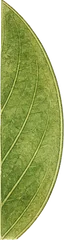
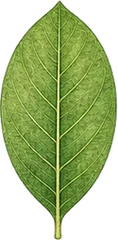
Characters marked “recorded” are for Aglaia canarana itself; the rest are typical of the Meliaceae family.
Flower & fruit characters
- Flower colour
- White/creamrecorded
Typical of the family
- Flower symmetry
- Actinomorphic (radially symmetrical)
- Inflorescence
- Panicle
- Fruit
- Capsule
Characters marked “recorded” are for Aglaia canarana itself; the rest are typical of the Meliaceae family — flowering plants only.
About Aglaia canarana
A member of the Meliaceae family, Aglaia canarana is a tree. It is native to India. It grows in evergreen, semi-Evergreen forests. Flowering and fruiting run from December to March.
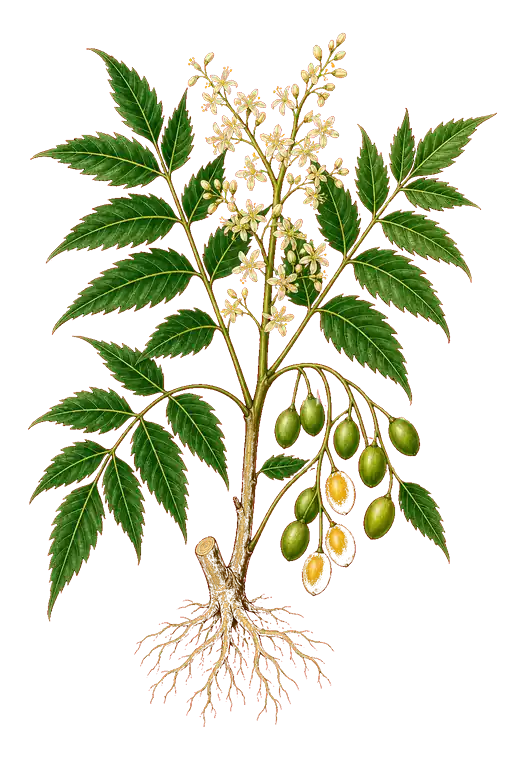
Meliaceae
Mahogany/Neem family
Aglaia canarana belongs to the Meliaceae family.
The illustration represents the family — not necessarily this exact species.
Explore the Meliaceae familySnap it. Know it.
Point your camera at Aglaia canarana or any plant and SASYA identifies it instantly — on-device, offline, and private.
Common plant problems
If you are starting from symptoms instead of a diagnosis, use the plant disease symptom checker to narrow the cause before treating.
All plant problem & care guides