Banadrak / Wild Ginger
Zingiber zerumbet
Also known as Stone Ginger, Bitter Ginger, Broad-Leaved Ginger, Pine Cone Ginger, Shampoo Ginger, Zerumbet Ginger
- Habit
- Herb
- Found in India
- Tamil Nadu, Kerala, Karnataka & more
- Flowering
- July-August
How to identify Banadrak
Identify Banadrak by combining habit, leaf characters, flower or fruit details, location, and its family pattern. Do not rely on one feature alone.
- Look for a herb habit.
- Confirm leaf arrangement: Alternate.
- Confirm flower colour: Red.
- Confirm flower arrangement: Head.
- In season, compare flowering and fruiting time: July-August.
- In India, compare location records such as Tamil Nadu, Kerala, Karnataka, Goa and nearby regions.
- Confirm it sits within the Zingiberaceae family pattern, then compare close relatives before deciding it is Banadrak.
Plant Details
- Scientific name
- Zingiber zerumbet
- Genus
- Zingiber
- Family
- Zingiberaceae
- Habit
- Herb
- Habitat
- Evergreen forests
- Habitat type
- Forest
- Distribution
- India, Sri Lanka, Malay peninsula
- Found in India
- Tamil Nadu, Kerala, Karnataka, Goa, Meghalaya, Odisha, Arunachal Pradesh, Andhra Pradesh, Assam, Manipur, Mizoram, Puducherry, West Bengal
- Flowering & fruiting
- July-August
- Conservation status
- Not Evaluated (NE)
Leaf characters
- Leaf arrangement
- AlternaterecordedOne leaf per node, arranged in a spiral or zigzag up the stem.“The 10–12 blade-shaped leaves are 15–20 centimetres (6–8 in) long and grow in an alternate arrangement on a thin, upright stem to 1.2 m (4 ft) tall.” — Wikipedia, CC BY-SA 4.0
Typical of the family
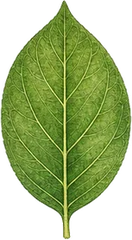
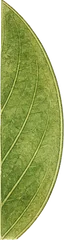

Characters marked “recorded” are for Banadrak itself; the rest are typical of the Zingiberaceae family.
Flower & fruit characters
- Flower colour
- Redrecorded“As the flower heads mature, they gradually fill with an aromatic, slimy liquid and turn a brighter red color.” — Wikipedia, CC BY-SA 4.0
- Flower arrangement
- HeadrecordedA dense, tight cluster of many small stalkless flowers, packed into a rounded or flat head.“The flower heads are initially green and are 3 to 10 cm (1+1⁄4 to 4 in) long with overlapping scales, enclosing small yellowish-white flowers that poke out a few at a time.” — Wikipedia, CC BY-SA 4.0
Typical of the family
- Flower symmetry
- Zygomorphic (bilaterally symmetrical)
- Inflorescence
- Spike
- Fruit
- Capsule
Characters marked “recorded” are for Banadrak itself; the rest are typical of the Zingiberaceae family — flowering plants only.
Local Names
- Hindi
- बनअदरक Banadrak, Mahabari-bach, Nar-kachur
- Bengali
- kulanjan, mahabari bach, narkachur
- Tamil
- araniyacaranai, காட்டு இஞ்சி
- Telugu
- kaarallamu
- Kannada
- agale shunti, ಅಗರು ಶುಂಠಿ ಗಿಡ
- Malayalam
- kathu-inshi-kua, കോലിഞ്ചി, Zingiber zerumbet
- Marathi
- काली हळद Kaali halad, narakchora
Banadrak in India
This ginger relative, known as बनअदरक Banadrak (Hindi), araniyacaranai (Tamil), kaarallamu (Telugu), agale shunti (Kannada), kathu-inshi-kua (Malayalam), काली हळद Kaali halad (Marathi), is grown both as an ornamental and for its traditional use. Zingiber zerumbet is found across Tamil Nadu, Kerala, Karnataka, Goa, Meghalaya, Odisha, typically in moist, shaded ground.
Uses
Its aromatic rhizome has a history of traditional folk and Ayurvedic use, and the mature flower cone's liquid contents have also been used traditionally as a natural shampoo base in some regions — attributed traditional uses, not medical claims.
How to Identify Banadrak
A reed-like herb growing from an aromatic underground rhizome, with broad, lance-shaped leaves in two ranks. Its most distinctive feature is a separate, cone-shaped flower spike on its own stalk, starting green and ripening to red, with small yellow flowers emerging from between the overlapping bracts.
Frequently Asked Questions
- What is Wild Ginger called in different Indian languages?
- बनअदरक Banadrak (Hindi); araniyacaranai (Tamil); kaarallamu (Telugu); agale shunti (Kannada); kathu-inshi-kua (Malayalam); काली हळद Kaali halad (Marathi); kulanjan (Bengali).
- Why is it called 'shampoo ginger'?
- Its mature flower cone fills with a slippery, fragrant liquid that has traditionally been squeezed out and used as a natural hair-washing base in some Pacific and Asian traditions.
- Is the flower cone the same as the ginger root used in cooking?
- No — the aromatic underground rhizome is a separate part from the showy red flower cone, which grows above ground on its own stalk.
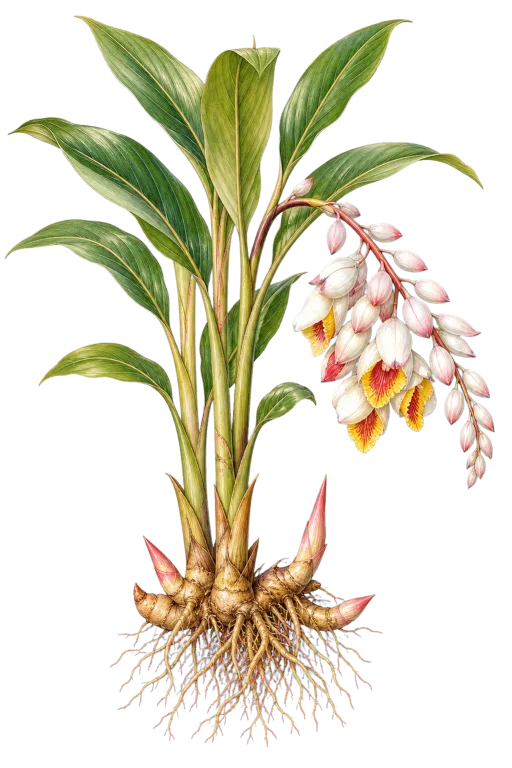
Zingiberaceae
Ginger family
Banadrak belongs to the Zingiberaceae family.
The illustration represents the family — not necessarily this exact species.
Explore the Zingiberaceae familySnap it. Know it.
Point your camera at Banadrak or any plant and SASYA identifies it instantly — on-device, offline, and private.
Common plant problems
If you are starting from symptoms instead of a diagnosis, use the plant disease symptom checker to narrow the cause before treating.
All plant problem & care guidesMore in Zingiberaceae
View all ZingiberaceaeSources: GBIF — Zingiber zerumbet (India distribution & vernacular names) (CC BY 4.0) · Wikipedia — Zingiber zerumbet (background/comprehension only) (CC BY-SA 4.0)