

Basant Rani / Trumpet Tree
Tabebuia rosea
Also known as Rose Trumpet
- Habit
- Tree
- Found in India
- Maharashtra, Telangana, Gujarat & more
- Flowering
- December-January
How to identify Basant Rani
Identify Basant Rani by combining habit, leaf characters, flower or fruit details, location, and its family pattern. Do not rely on one feature alone.
- Look for a tree habit.
- Confirm leaf type: Pinnately compound.
- Confirm flower colour: Pink.
- Confirm fruit type: Capsule.
- Use the leaf pattern: opposite leaf arrangement, compound leaves, entire leaf margins, palmate venation.
- In season, compare flowering and fruiting time: December-January.
- In India, compare location records such as Maharashtra, Telangana, Gujarat, Tamil Nadu and nearby regions.
Plant Details
- Scientific name
- Tabebuia rosea
- Genus
- Tabebuia
- Family
- Bignoniaceae
- Habit
- Tree
- Native to
- Venezuela
- Distribution
- Cultivated in Tropics
- Found in India
- Maharashtra, Telangana, Gujarat, Tamil Nadu, West Bengal, Andhra Pradesh, Karnataka, Kerala, Odisha
- Flowering & fruiting
- December-January
- Conservation status
- Not Evaluated (NE)
Leaf characters
- Leaf type
- Pinnately compoundrecordedLeaflets are arranged in rows along a central stalk, like a feather.
Typical of the family
- Arrangement
- Opposite
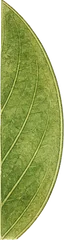
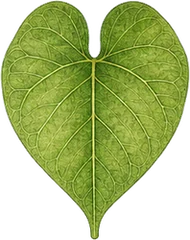
Characters marked “recorded” are for Basant Rani itself; the rest are typical of the Bignoniaceae family.
Flower & fruit characters
- Flower colour
- Pinkrecorded
- Fruit type
- CapsulerecordedA dry fruit from a fused ovary that splits open at maturity to release seeds.“The long and slender fruit capsules can measure up to 35 cm (14 in) and appear from February through April.” — Wikipedia, CC BY-SA 4.0
Typical of the family
- Flower symmetry
- Zygomorphic (bilaterally symmetrical)
- Inflorescence
- Panicle
- Fruit
- Capsule
Characters marked “recorded” are for Basant Rani itself; the rest are typical of the Bignoniaceae family — flowering plants only.
Local Names
- Hindi
- बसंत रानी Basant rani
Basant Rani in India
The pink trumpet tree has become a celebrated flowering avenue tree in Indian cities — बसंत रानी Basant rani (Hindi). Native to tropical America, Tabebuia rosea is planted across Maharashtra, Telangana, Gujarat, Tamil Nadu, West Bengal, Andhra Pradesh, drawing crowds when whole streets bloom pink at once.
Uses
It is grown as an ornamental and avenue tree, valued for the spectacular flush of pink trumpet flowers that often appears when the tree is nearly leafless. It provides light shade and is increasingly popular in urban landscaping across India.
How to Identify Basant Rani
A medium tree with leaves divided palmately into five leaflets, like fingers from a hand. After a brief leafless spell it covers itself in clusters of large, pink-to-pale-lilac trumpet-shaped flowers with a paler throat, followed by long, slender bean-like pods.
Frequently Asked Questions
- What is Trumpet tree called in different Indian languages?
- बसंत रानी Basant rani (Hindi).
- When does the pink trumpet tree flower?
- It typically flowers in the cooler, drier months, often around winter, when a near-leafless tree bursts into pink trumpet blooms.
- Is Tabebuia rosea native to India?
- No — it comes from tropical America, but it is now widely planted as a flowering avenue tree in Indian cities.
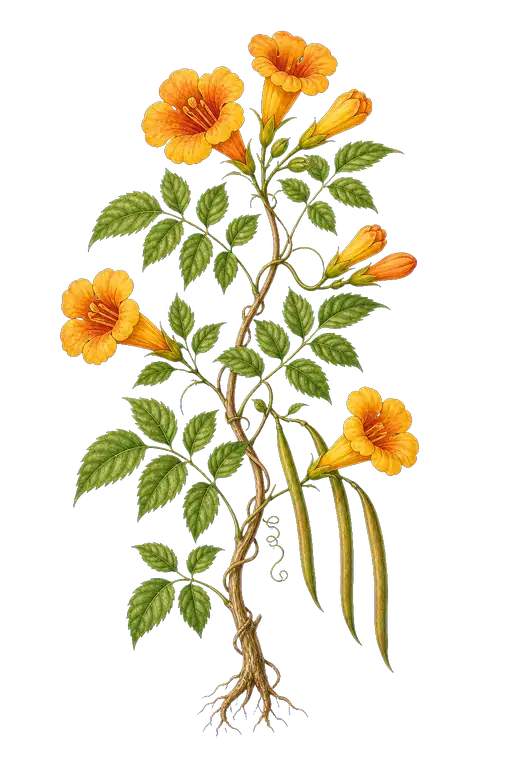
Bignoniaceae
Trumpet vine family
Basant Rani belongs to the Bignoniaceae family.
The illustration represents the family — not necessarily this exact species.
Explore the Bignoniaceae familySnap it. Know it.
Point your camera at Basant Rani or any plant and SASYA identifies it instantly — on-device, offline, and private.
Common plant problems
If you are starting from symptoms instead of a diagnosis, use the plant disease symptom checker to narrow the cause before treating.
All plant problem & care guidesMore in Bignoniaceae
View all BignoniaceaeSources: GBIF — Tabebuia rosea (India distribution & vernacular names) (CC BY 4.0) · iNaturalist — Tabebuia rosea (regional names, India observations) (CC BY 4.0) · Wikipedia — Tabebuia rosea (background/comprehension only) (CC BY-SA 4.0)