
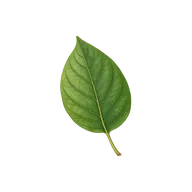
Typical of the Santalaceae family
Santalum album
Sandal / Sandalwood Tree संदल
Hindi name · See all regional names ↓
Also known as White Sandal Tree
- Habit
- Tree
- Found in India
- Karnataka, Kerala, Maharashtra & more
- Flowering
- Throughout the year
Sandal in regional languages
Find the name you know, then compare it with the botanical profile. Columns list recorded aliases; they are not paired translations. A Latin spelling appears only when it is present in the source record.
| Language | Regional script | Recorded Latin spelling |
|---|---|---|
| Hindi | चन्दन · संदल | Chandan, Sandal, chandan |
| Nepali | श्रीखण्ड | Shreekhand |
| Bengali | চন্দন | Chandan |
| Tamil | சந்தனம் | Chandanam |
| Telugu | శ్రీగంధం · చందనము | Srigandham |
| Kannada | ಚಂದನ · ಗಂಧ · ಶ್ರೀಗಂಧ | Chandana, Gandha, Srigandha |
| Malayalam | ചന്ദനം | Chandanam, Santalum album |
| Marathi | चंदन · श्रीखंड | Chandan, Shrikhand |
| Sinhala | සුදු හඳුන් | Not recorded |
See the original recorded names
- Hindi
- चन्दन Chandan, संदल Sandal, chandan
- Nepali
- श्रीखण्ड Shreekhand, श्रीखण्ड
- Bengali
- চন্দন Chandan, চন্দন
- Tamil
- சந்தனம் Chandanam, சந்தனம்
- Telugu
- శ్రీగంధం Srigandham, శ్రీగంధం, చందనము
- Kannada
- ಚಂದನ Chandana, ಗಂಧ Gandha, ಶ್ರೀಗಂಧ Srigandha
- Malayalam
- ചന്ദനം Chandanam, ചന്ദനം, Santalum album
- Marathi
- चंदन Chandan, श्रीखंड Shrikhand, चंदन
- Sinhala
- සුදු හඳුන්
Ecology & growing context
- Native status · Kew WCVP
- WCVP records it as introduced in Assam, India Kew dataset ↗︎
Kew WCVP dataset; accepted-name match. Dataset matching is separate from an individual regional review. Recorded worldwide native range: Jawa to N. Australia.
- Recorded habitat
- Foothills of dry deciduous forests and also in homesteads
- Explore nearby plants
- Karnataka →Kerala →Maharashtra →
Occurrence records show where a plant has been recorded; they do not establish that it is native there. Compare local habitat and growing conditions when choosing plants for a garden.
How to identify Sandal
Identify Sandal by combining habit, leaf characters, flower or fruit details, location, and its family pattern. Do not rely on one feature alone.
- Look for a tree habit.
- Check the distinctive field mark: Fragrant heartwood, source of sandalwood oil.
- Confirm leaf arrangement: Opposite.
- Confirm leaf shape: Lanceolate.
- In season, compare flowering and fruiting time: Throughout the year.
- In India, compare location records such as Karnataka, Kerala, Maharashtra, Tamil Nadu and nearby regions.
- Confirm it sits within the Santalaceae family pattern, then compare close relatives before deciding it is Sandal.
Plant Details
- Scientific name
- Santalum album
- Genus
- Santalum
- Family
- Santalaceae
- Habit
- Tree
- Habitat
- Foothills of dry deciduous forests and also in homesteads
- Habitat type
- Forest
- Native to
- India
- Distribution
- India, Malesia
- Found in India
- Karnataka, Kerala, Maharashtra, Tamil Nadu, Telangana, Rajasthan, Gujarat, Andhra Pradesh, Uttarakhand, Uttar Pradesh, West Bengal, Chhattisgarh, Assam, Himachal Pradesh, Madhya Pradesh, Odisha, Puducherry
- Flowering & fruiting
- Throughout the year
- Conservation status
- Vulnerable (VU)
Leaf characters
- Leaf arrangement
- OppositerecordedTwo leaves arise from the stem at the same point, facing each other.“The leaves are thin, opposite and ovate to lanceolate in shape.” — Wikipedia, CC BY-SA 4.0
- Leaf shape
- LanceolaterecordedLong and narrow, tapering to a point, like a lance head.“The leaves are thin, opposite and ovate to lanceolate in shape.” — Wikipedia, CC BY-SA 4.0
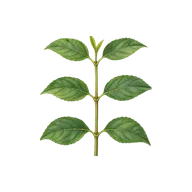
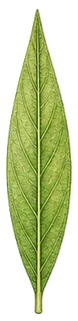
Typical of the family
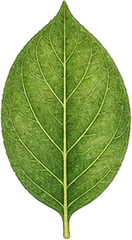
Characters marked “recorded” are for Sandal itself; the rest are typical of the Santalaceae family.
About Sandal
Sandalwood Tree (Santalum album) is a tree in the Santalaceae family. In India it has been recorded in Karnataka, Kerala, Maharashtra and 14 other states. It grows in foothills of dry deciduous forests and also in homesteads. It flowers and fruits through much of the year.
Uses
It is grown for parts that are eaten and distilled for an aromatic oil.
In culture
It is treated as sacred and appears in worship.
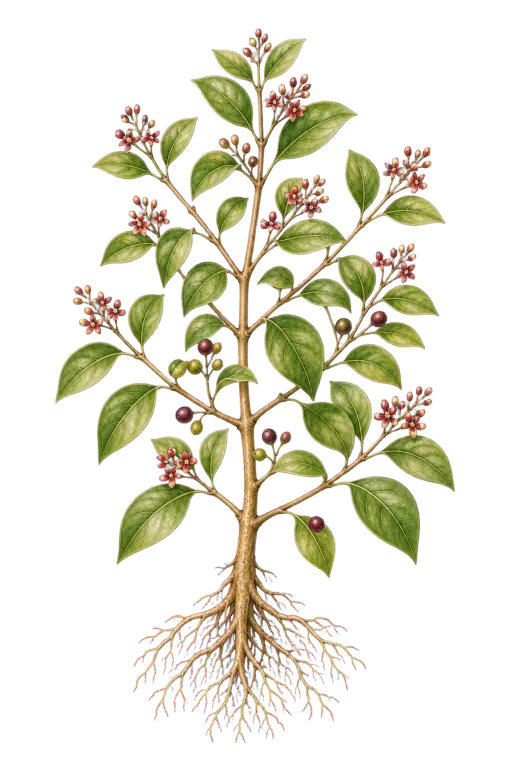
Santalaceae
Sandalwood Family
Sandal belongs to the Santalaceae family.
The illustration represents the family — not necessarily this exact species.
Explore the Santalaceae familySnap it. Know it.
Point your camera at Sandal or any plant and SASYA identifies it instantly — on-device, offline, and private.
Common plant problems
If you are starting from symptoms instead of a diagnosis, use the plant disease symptom checker to narrow the cause before treating.
All plant problem & care guides