
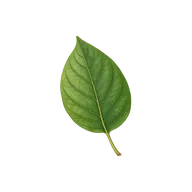
Typical of the Acanthaceae family
Rungia pectinata
Ulat Kanghi / Comb Rungia उलट कंघी
Hindi name · See all regional names ↓
- Habit
- Herb
- Found in India
- Maharashtra, Rajasthan, West Bengal & more
- Flowering
- November-May
Ulat Kanghi in regional languages
Find the name you know, then compare it with the botanical profile. Columns list recorded aliases; they are not paired translations. A Latin spelling appears only when it is present in the source record.
| Language | Regional script | Recorded Latin spelling |
|---|---|---|
| Hindi | उलट कंघी | Ulat Kanghi |
| Nepali | बिसाउने झार · उकुची झार | Bisaaune Jhaar, Ukuchee Jhaar |
| Bengali | ধুপঝোড়া | Dhupjhora |
| Tamil | புண்ணாக்குப்பூண்டு · தவசுமுருங்கை | Punnakku-P-Puntu, Tavashu-Murunghie |
| Marathi | सूत | Sut |
See the original recorded names
- Hindi
- उलट कंघी Ulat Kanghi
- Nepali
- बिसाउने झार Bisaaune Jhaar, उकुची झार Ukuchee Jhaar
- Bengali
- ধুপঝোড়া Dhupjhora
- Tamil
- புண்ணாக்குப்பூண்டு Punnakku-P-Puntu, தவசுமுருங்கை Tavashu-Murunghie
- Marathi
- सूत Sut
Ecology & growing context
- Native status · Kew WCVP
- WCVP native range includes Andaman Is., Assam, India, Laccadive Is., West Himalaya Kew dataset ↗︎
Kew WCVP dataset; accepted-name match. Dataset matching is separate from an individual regional review. Recorded worldwide native range: S. Arabian Pen., Trop. & Subtrop. Asia.
- Recorded habitat
- As an undergrowth in forests, waste places, semi-Evergreen forests and road sides
- Explore nearby plants
- Maharashtra →Rajasthan →West Bengal →
Occurrence records show where a plant has been recorded; they do not establish that it is native there. Compare local habitat and growing conditions when choosing plants for a garden.
How to identify Ulat Kanghi
Identify Ulat Kanghi by combining habit, leaf characters, flower or fruit details, location, and its family pattern. Do not rely on one feature alone.
- Look for a herb habit.
- Confirm leaf surface: Pubescent (softly hairy).
- Confirm flower colour: Purple.
- In season, compare flowering and fruiting time: November-May.
- In India, compare location records such as Maharashtra, Rajasthan, West Bengal, Madhya Pradesh and nearby regions.
- Confirm it sits within the Acanthaceae family pattern, then compare close relatives before deciding it is Ulat Kanghi.
Plant Details
- Scientific name
- Rungia pectinata
- Genus
- Rungia
- Family
- Acanthaceae
- Habit
- Herb
- Habitat
- As an undergrowth in forests, waste places, semi-Evergreen forests and road sides
- Distribution
- Myanmar, China, Sri Lanka, Java, Malaysia, Philippines, India
- Found in India
- Maharashtra, Rajasthan, West Bengal, Madhya Pradesh, Uttarakhand, Gujarat, Kerala, Manipur, Meghalaya, Arunachal Pradesh, Assam, Chhattisgarh, Himachal Pradesh, Jammu & Kashmir, Jharkhand, Karnataka, Punjab
- Flowering & fruiting
- November-May
- Conservation status
- Not Evaluated (NE)
Leaf characters
- Leaf surface
- Pubescent (softly hairy)recorded
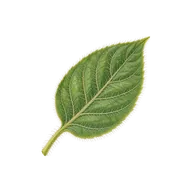
Typical of the family
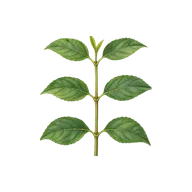
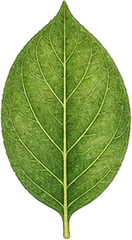
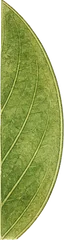
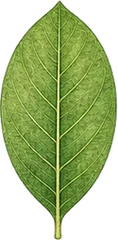
Characters marked “recorded” are for Ulat Kanghi itself; the rest are typical of the Acanthaceae family.
Flower & fruit characters
- Flower colour
- PurplerecordedPurple or violet
Typical of the family
- Inflorescence
- Spike
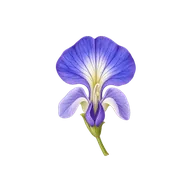
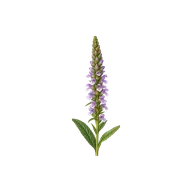
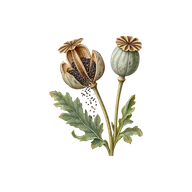
Characters marked “recorded” are for Ulat Kanghi itself; the rest are typical of the Acanthaceae family — flowering plants only.
About Ulat Kanghi
Comb Rungia (Rungia pectinata) is a herb in the Acanthaceae family. In India it has been recorded in Maharashtra, Rajasthan, West Bengal and 14 other states. It grows in as an undergrowth in forests, waste places, semi-Evergreen forests and road sides. Flowering and fruiting run from November to May.
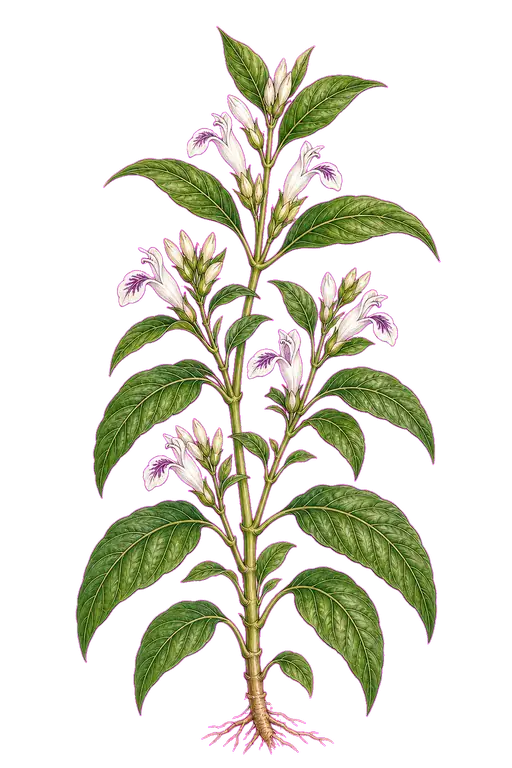
Acanthaceae
Acanthus family
Ulat Kanghi belongs to the Acanthaceae family.
The illustration represents the family — not necessarily this exact species.
Explore the Acanthaceae familySnap it. Know it.
Point your camera at Ulat Kanghi or any plant and SASYA identifies it instantly — on-device, offline, and private.
Common plant problems
If you are starting from symptoms instead of a diagnosis, use the plant disease symptom checker to narrow the cause before treating.
All plant problem & care guides