
Alanchi
Rhododendron arboreum subsp. nilagiricum
Also known as Rhododendron Arboreum Subsp. Nilagiricum
- Habit
- Tree
- Found in India
- Tamil Nadu, Kerala
- Flowering
- February-June
How to identify Alanchi
Identify Alanchi by combining habit, leaf characters, flower or fruit details, location, and its family pattern. Do not rely on one feature alone.
- Look for a tree habit.
- Check the distinctive field mark: Large clusters of red bell-shaped flowers, Nilgiri hills.
- In season, compare flowering and fruiting time: February-June.
- In India, compare location records such as Tamil Nadu, Kerala.
- Confirm it sits within the Ericaceae family pattern, then compare close relatives before deciding it is Alanchi.
Plant Details
Flower & fruit characters
- Flower symmetry
- Zygomorphic (bilaterally symmetrical)
- Fruit
- Berry
Typical of the Ericaceae family — flowering plants only; individual species can differ.
Local Names
- Kannada
- ಪೂ Pu
- Malayalam
- അലഞ്ചി Alanchi, കാട്ടുപൂവരശ് Kaattupoovarash
About Alanchi
Rhododendron arboreum subsp. nilagiricum (Rhododendron arboreum subsp. nilagiricum) is a tree in the Ericaceae family. In India it has been recorded in Tamil Nadu and Kerala. It grows in shola forests. Flowering and fruiting run from February to June.
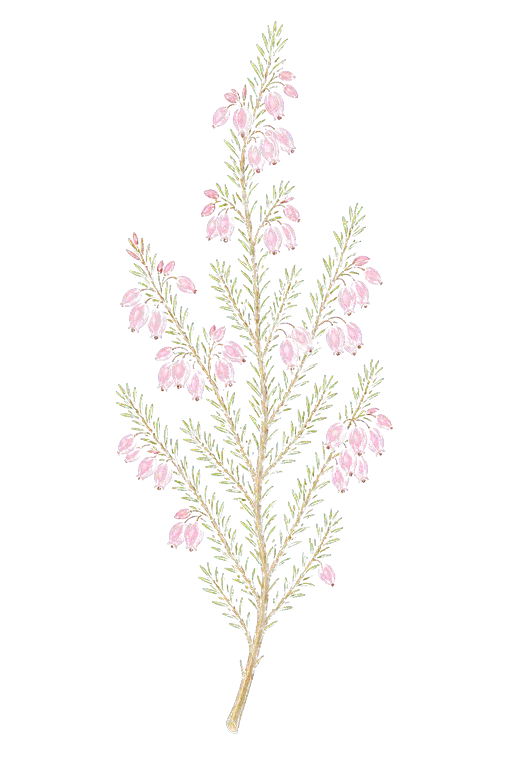
Ericaceae
Heather Family
Alanchi belongs to the Ericaceae family.
The illustration represents the family — not necessarily this exact species.
Explore the Ericaceae familySnap it. Know it.
Point your camera at Alanchi or any plant and SASYA identifies it instantly — on-device, offline, and private.
Common plant problems
If you are starting from symptoms instead of a diagnosis, use the plant disease symptom checker to narrow the cause before treating.
All plant problem & care guides