

Anaar / Pomegranate
Punica granatum
- Habit
- Tree
- Found in India
- Telangana, Tamil Nadu, Andhra Pradesh & more
- Flowering
- March-September
How to identify Anaar
Identify Anaar by combining habit, leaf characters, flower or fruit details, location, and its family pattern. Do not rely on one feature alone.
- Look for a tree habit.
- Use the leaf pattern: opposite leaf arrangement, simple leaves, entire leaf margins, pinnate venation.
- In season, compare flowering and fruiting time: March-September.
- In India, compare location records such as Telangana, Tamil Nadu, Andhra Pradesh, Karnataka and nearby regions.
- Confirm it sits within the Punicaceae family pattern, then compare close relatives before deciding it is Anaar.
Plant Details
- Scientific name
- Punica granatum
- Genus
- Punica
- Family
- Punicaceae
- Habit
- Tree
- Native to
- Mediterranean, Central Asia
- Distribution
- Cultivated in most parts of the world
- Found in India
- Telangana, Tamil Nadu, Andhra Pradesh, Karnataka, Maharashtra, Rajasthan, Himachal Pradesh, Delhi, Kerala, Uttarakhand, Bihar, West Bengal, Assam, Jammu & Kashmir, Uttar Pradesh, Gujarat, Odisha, Haryana, Punjab, Chhattisgarh, Madhya Pradesh, Puducherry, Mizoram, Jharkhand, Arunachal Pradesh, Chandigarh, Goa, Nagaland, Tripura
- Flowering & fruiting
- March-September
- Conservation status
- Least Concern (LC)
Leaf characters
- Arrangement
- Opposite
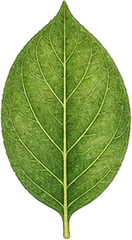

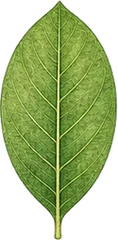
Characters marked “recorded” are for Anaar itself; the rest are typical of the Punicaceae family.
Local Names
- Hindi
- अनार Anaar, दाड़िम Darim, हिण्डीर Hindir, dalima
- Nepali
- दारिम Daarim, दारिम, Punica granatum
- Bengali
- বেদানা Bedana, বেদানা, Punica granatum
- Tamil
- மாதுளை Maatulai, மாதுளை, Punica granatum
- Telugu
- దానిమ్మ Daanimma, దానిమ్మ, Punica granatum
- Kannada
- ದಾಳಿಂಬೆ Daalimbe, ದಾಳಿಂಬೆ, Punica granatum
- Malayalam
- ദാഡിമം Daadimam, മാതളനാരകം Maathalanaarakam, ഉറുമാൻപഴം Urumaanpazham
- Marathi
- अनार Anaar, डाळिंब Daalimb, डाळिंब
- Sinhala
- දෙලුම්, දෙළුම්
Anaar in India
The pomegranate is a prized fruit and ornamental shrub across India — अनार Anaar (Hindi), மாதுளை Maatulai (Tamil), దానిమ్మ Daanimma (Telugu), ದಾಳಿಂಬೆ Daalimbe (Kannada), ദാഡിമം Daadimam (Malayalam), अनार Anaar (Marathi). Punica granatum is cultivated widely, with Maharashtra a major producer, and recorded across Telangana, Tamil Nadu, Andhra Pradesh, Karnataka, Maharashtra, Rajasthan.
Uses
The juicy ruby arils are eaten fresh and juiced, dried seeds become the souring spice anardana, and the fruit rind and bark have long-standing attributed uses in Ayurveda — described for information, not medical advice. The scarlet flowers also make it a fine ornamental.
How to Identify Anaar
A large deciduous shrub or small tree, sometimes spiny, with glossy narrow leaves and showy waxy red-orange tubular flowers. The round fruit has a leathery rind topped by a persistent crown of sepals, and is packed with juicy seed-arils inside.
Frequently Asked Questions
- What is Pomegranate called in different Indian languages?
- अनार Anaar (Hindi); மாதுளை Maatulai (Tamil); దానిమ్మ Daanimma (Telugu); ದಾಳಿಂಬೆ Daalimbe (Kannada); ദാഡിമം Daadimam (Malayalam); अनार Anaar (Marathi); বেদানা Bedana (Bengali).
- What is anardana?
- Anardana is dried pomegranate seeds, used as a tangy souring spice in Indian cooking, especially in chutneys and North Indian dishes.
- Where is pomegranate grown in India?
- It is cultivated across the drier parts of the country, with Maharashtra, Gujarat, Karnataka and Rajasthan among the main growing regions.

Punicaceae
Pomegranate Family
Anaar belongs to the Punicaceae family.
The illustration represents the family — not necessarily this exact species.
Explore the Punicaceae familySnap it. Know it.
Point your camera at Anaar or any plant and SASYA identifies it instantly — on-device, offline, and private.
Common plant problems
If you are starting from symptoms instead of a diagnosis, use the plant disease symptom checker to narrow the cause before treating.
All plant problem & care guidesSources: GBIF — Punica granatum (India distribution & vernacular names) (CC BY 4.0) · iNaturalist — Punica granatum (regional names, India observations) (CC BY 4.0) · Wikipedia — Punica granatum (background/comprehension only) (CC BY-SA 4.0)