
Jand / Shami
Prosopis cineraria
Also known as Khejri Tree
- Habit
- Tree
- Found in India
- Rajasthan, Gujarat, Maharashtra & more
- Flowering
- April-May
How to identify Jand
Identify Jand by combining habit, leaf characters, flower or fruit details, location, and its family pattern. Do not rely on one feature alone.
- Look for a tree habit.
- Check the distinctive field mark: Drought-hardy desert tree (khejri).
- Confirm leaf type: Bipinnately compound.
- Confirm leaf shape: Feathery bipinnate leaflets.
- In season, compare flowering and fruiting time: April-May.
- In India, compare location records such as Rajasthan, Gujarat, Maharashtra, Telangana and nearby regions.
- Confirm it sits within the Mimosaceae family pattern, then compare close relatives before deciding it is Jand.
Plant Details
- Scientific name
- Prosopis cineraria
- Genus
- Prosopis
- Family
- Mimosaceae
- Habit
- Tree
- Habitat
- Scrub forests
- Distribution
- Southeast Asia, Iran, Pakistan, Afghanistan, Arabia, India
- Found in India
- Rajasthan, Gujarat, Maharashtra, Telangana, Andhra Pradesh, Karnataka, Punjab, Tamil Nadu
- Flowering & fruiting
- April-May
- Conservation status
- Not Evaluated (NE)
Leaf characters
- Leaf type
- Bipinnately compoundrecordedThe leaf is divided twice — each 'leaflet' is itself a row of smaller leaflets, giving a fine, fern-like look.“The leaves are bipinnate, with seven to fourteen leaflets on each of one to three pinnae.” — Wikipedia, CC BY-SA 4.0
- Leaf shape
- Feathery bipinnate leafletsrecorded
Typical of the family
- Arrangement
- Alternate
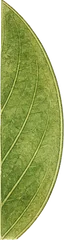

Characters marked “recorded” are for Jand itself; the rest are typical of the Mimosaceae family.
Flower & fruit characters
- Flower symmetry
- Actinomorphic (radially symmetrical)
- Inflorescence
- Head
- Fruit
- Legume
Typical of the Mimosaceae family — flowering plants only; individual species can differ.
Local Names
- Hindi
- Jand जंड, Khejri खेजड़ी Khejri, jand, janum-chettu
- Bengali
- শমী
- Tamil
- parambai, Vanni, வன்னி
- Telugu
- జమ్మి చెట్టు, జమ్మిచెట్టు
- Kannada
- ಕಿಱುಬನ್ನಿ, ಕಿರುಬನ್ನಿ Kiru banni, ಕಿರಿಬನ್ನಿ Kiribanni
- Malayalam
- വന്നി
- Marathi
- शेमी Shemi, शमी
About Jand
A member of the Mimosaceae family, Shami (Prosopis cineraria) is a tree. In India it has been recorded in Rajasthan, Gujarat, Maharashtra and 5 other states. It grows in scrub forests. Flowering and fruiting run from April to May.
In culture
It is used as an official or regional emblem.
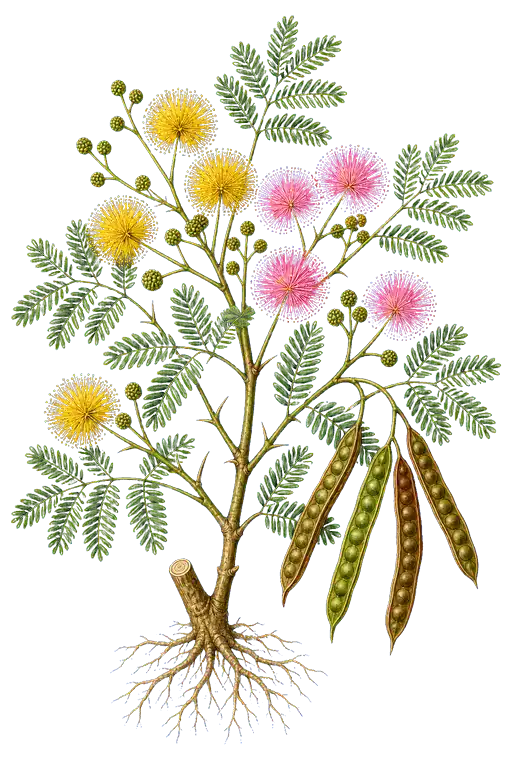
Mimosaceae
Mimosa/Acacia family
Jand belongs to the Mimosaceae family.
The illustration represents the family — not necessarily this exact species.
Explore the Mimosaceae familySnap it. Know it.
Point your camera at Jand or any plant and SASYA identifies it instantly — on-device, offline, and private.
Common plant problems
If you are starting from symptoms instead of a diagnosis, use the plant disease symptom checker to narrow the cause before treating.
All plant problem & care guides