
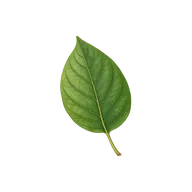
As recorded for Belavaka
Memecylon angustifolium
Belavaka / Blue Mist ಬೆಲವಕ
Kannada name · See all regional names ↓
- Habit
- Shrub
- Found in India
- Karnataka, Andhra Pradesh
- Flowering
- April-May
Belavaka in regional languages
Find the name you know, then compare it with the botanical profile. Columns list recorded aliases; they are not paired translations. A Latin spelling appears only when it is present in the source record.
| Language | Regional script | Recorded Latin spelling |
|---|---|---|
| Tamil | Not recorded | Attunjarei, Vellaikaya, Vellaikkaya |
| Kannada | ಬೆಲವಕ · ಬೆಳವನಕಾನ | Belavaka, Belavanakaana, Belavakana |
| Malayalam | ആറ്റുകനല | Aattukanala |
See the original recorded names
- Tamil
- Attunjarei, Vellaikaya, Vellaikkaya
- Kannada
- ಬೆಲವಕ Belavaka, ಬೆಳವನಕಾನ Belavanakaana, Belavakana
- Malayalam
- Aattukanala, ആറ്റുകനല
Ecology & growing context
- Native status · Kew WCVP
- WCVP native range includes India Kew dataset ↗︎
Kew WCVP dataset; accepted-name match. Dataset matching is separate from an individual regional review. Recorded worldwide native range: India, Sri Lanka, Indo-China.
- Recorded habitat
- Along stream banks of Evergreen forests
- Explore nearby plants
- Karnataka →Andhra Pradesh →
Occurrence records show where a plant has been recorded; they do not establish that it is native there. Compare local habitat and growing conditions when choosing plants for a garden.
How to identify Belavaka
Identify Belavaka by combining habit, leaf characters, flower or fruit details, location, and its family pattern. Do not rely on one feature alone.
- Look for a shrub habit.
- Check the distinctive field mark: Narrow leaves.
- Confirm leaf arrangement: Opposite.
- Confirm leaf type: Simple.
- Confirm flower colour: Blue.
- Confirm flower arrangement: Umbel.
- In season, compare flowering and fruiting time: April-May.
Plant Details
- Scientific name
- Memecylon angustifolium
- Genus
- Memecylon
- Family
- Melastomataceae
- Habit
- Shrub
- Habitat
- Along stream banks of Evergreen forests
- Distribution
- India, Sri Lanka
- Found in India
- Karnataka, Andhra Pradesh
- Flowering & fruiting
- April-May
- Conservation status
- Not Evaluated (NE)
Leaf characters
- Leaf arrangement
- OppositerecordedTwo leaves arise from the stem at the same point, facing each other.“Leaves are simple, opposite, decussate;” — Wikipedia, CC BY-SA 4.0
- Leaf type
- SimplerecordedA single, undivided leaf blade.“Leaves are simple, opposite, decussate;” — Wikipedia, CC BY-SA 4.0
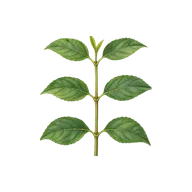
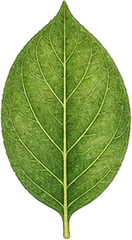
Characters marked “recorded” are for Belavaka itself; the rest are typical of the Melastomataceae family.
Flower & fruit characters
- Flower colour
- Bluerecorded
- Flower arrangement
- UmbelrecordedFlower stalks all radiate from a single point, like umbrella ribs.“Flowers are blue in color and show axillary umbels inflorescence.” — Wikipedia, CC BY-SA 4.0
- Fruit type
- BerryrecordedA fleshy fruit with seeds embedded directly in the pulp, no central stone.“Fruit is a blackish purple, one-seeded berry.” — Wikipedia, CC BY-SA 4.0
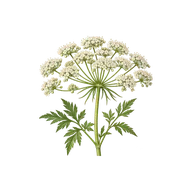
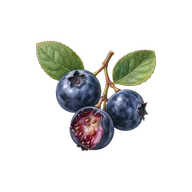
Typical of the family
- Inflorescence
- Cyme
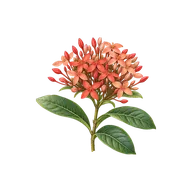
Characters marked “recorded” are for Belavaka itself; the rest are typical of the Melastomataceae family — flowering plants only.
About Belavaka
Blue Mist (Memecylon angustifolium) belongs to the Melastomataceae family, where it grows as a shrub. In India it has been recorded in Karnataka and Andhra Pradesh. It grows in along stream banks of Evergreen forests. Flowering and fruiting run from April to May.
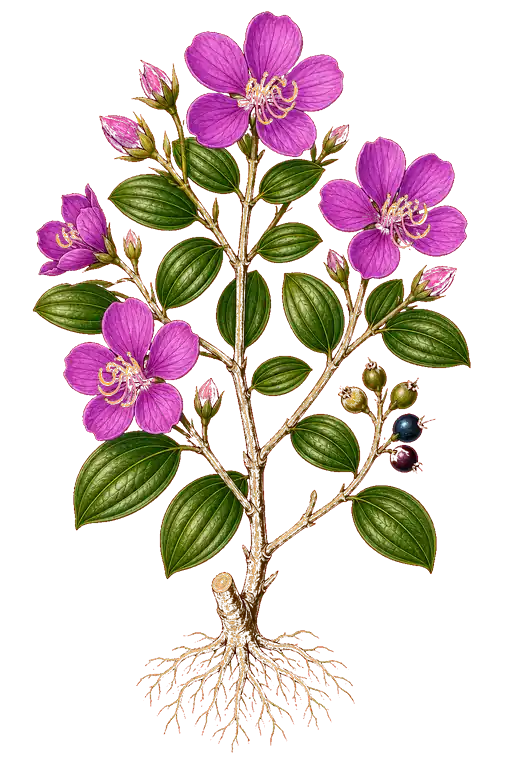
Melastomataceae
Melastome family
Belavaka belongs to the Melastomataceae family.
The illustration represents the family — not necessarily this exact species.
Explore the Melastomataceae familySnap it. Know it.
Point your camera at Belavaka or any plant and SASYA identifies it instantly — on-device, offline, and private.
Common plant problems
If you are starting from symptoms instead of a diagnosis, use the plant disease symptom checker to narrow the cause before treating.
All plant problem & care guides