
Garlic Vine
Mansoa alliacea
- Found in India
- Karnataka, Maharashtra, Rajasthan & more
How to identify Garlic Vine
Identify Garlic Vine by combining habit, leaf characters, flower or fruit details, location, and its family pattern. Do not rely on one feature alone.
- Check the distinctive field mark: Leaves smell of garlic when crushed.
- Confirm leaf arrangement: Opposite.
- Confirm leaf type: Trifoliate.
- Confirm flower colour: Purple.
- In India, compare location records such as Karnataka, Maharashtra, Rajasthan, West Bengal and nearby regions.
- Confirm it sits within the Bignoniaceae family pattern, then compare close relatives before deciding it is Garlic Vine.
Plant Details
- Scientific name
- Mansoa alliacea
- Genus
- Mansoa
- Family
- Bignoniaceae
- Found in India
- Karnataka, Maharashtra, Rajasthan, West Bengal, Kerala, Telangana, Odisha, Uttarakhand, Andhra Pradesh, Assam, Chandigarh, Gujarat, Haryana, Jammu & Kashmir, Jharkhand, Delhi, Sikkim, Uttar Pradesh
- Conservation status
- Not Evaluated (NE)
Leaf characters
- Leaf arrangement
- OppositerecordedTwo leaves arise from the stem at the same point, facing each other.“The short-stalked leaves are opposite and trifoliate.” — Wikipedia, CC BY-SA 4.0
- Leaf type
- TrifoliaterecordedA compound leaf made of exactly three leaflets.“The short-stalked leaves are opposite and trifoliate.” — Wikipedia, CC BY-SA 4.0
- Leaf margin
- EntirerecordedA smooth, unbroken edge with no teeth or notches.“The slightly leathery, short-stalked, egg-shaped to elliptical leaflets are almost glabrous, slightly scaly, entire and rounded, pointed to pointed with a pointed, rarely rounded t” — Wikipedia, CC BY-SA 4.0
- Leaf surface
- GlabrousrecordedSmooth, hairless.“The slightly leathery, short-stalked, egg-shaped to elliptical leaflets are almost glabrous, slightly scaly, entire and rounded, pointed to pointed with a pointed, rarely rounded t” — Wikipedia, CC BY-SA 4.0
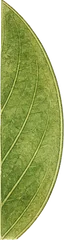
Typical of the family
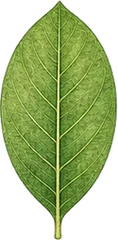
Characters marked “recorded” are for Garlic Vine itself; the rest are typical of the Bignoniaceae family.
Flower & fruit characters
- Flower colour
- PurplerecordedPurple or violet
Typical of the family
- Flower symmetry
- Zygomorphic (bilaterally symmetrical)
- Inflorescence
- Panicle
- Fruit
- Capsule
Characters marked “recorded” are for Garlic Vine itself; the rest are typical of the Bignoniaceae family — flowering plants only.
Local Names
- Marathi
- लसूण वेल
Garlic Vine in India
Garlic vine is a purple-flowered ornamental climber in the trumpet-vine family, recorded by SASYA from Karnataka, Maharashtra, Rajasthan, West Bengal, Kerala, Telangana, Odisha, Uttarakhand and several other states. In Marathi it is recorded as लसूण वेल Lasun vel, literally a garlic vine.
Uses
It is planted on compound walls, arches and fences for its flower clusters and garlic-like smell when leaves are crushed. Medicinal uses are traditional attributions and should not be treated as medical advice.
How to Identify Garlic Vine
Identify garlic vine by opposite leaves, woody climbing habit, clusters of trumpet-shaped lavender to purple flowers, and the garlic smell released when leaves are crushed. It belongs to Bignoniaceae, so compare it with other trumpet vines: Mansoa alliacea is especially suggested when the vine has purple trumpet flowers plus the garlic odour.
Frequently Asked Questions
- Why is Mansoa alliacea called garlic vine?
- The leaves release a garlic-like smell when crushed, which is the easiest field clue behind the common name.
- How do I identify garlic vine?
- Check for a woody climber with opposite leaves, purple trumpet-shaped flower clusters, and a distinct garlic smell from crushed leaves.
- What is garlic vine called in Marathi?
- SASYA records the Marathi name लसूण वेल, transliterated as Lasun vel.
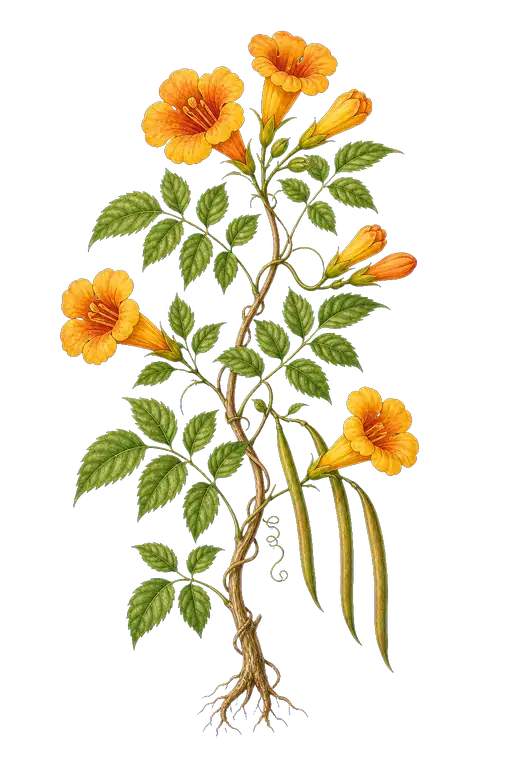
Bignoniaceae
Trumpet vine family
Garlic Vine belongs to the Bignoniaceae family.
The illustration represents the family — not necessarily this exact species.
Explore the Bignoniaceae familySnap it. Know it.
Point your camera at Garlic Vine or any plant and SASYA identifies it instantly — on-device, offline, and private.
Common plant problems
If you are starting from symptoms instead of a diagnosis, use the plant disease symptom checker to narrow the cause before treating.
All plant problem & care guidesMore in Bignoniaceae
View all BignoniaceaeSources: GBIF — Mansoa alliacea (CC BY 4.0) · iNaturalist — Mansoa alliacea (CC BY 4.0)