
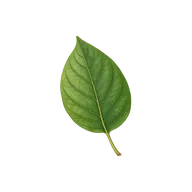
Typical of the Balsaminaceae family
Impatiens balsamina var. macrantha
Gul-Mehndi गुल मेहेंदी
Hindi name · See all regional names ↓
- Habit
- Herb
- Flowering
- December-January
Gul-Mehndi in regional languages
Find the name you know, then compare it with the botanical profile. Columns list recorded aliases; they are not paired translations. A Latin spelling appears only when it is present in the source record.
| Language | Regional script | Recorded Latin spelling |
|---|---|---|
| Hindi | गुल मेहेंदी | Gul-mehndi |
| Nepali | तिउरी · तिरा मिरा · पडके | Tiuree, Tiraa-miraa, Padake |
| Bengali | দোপাটি · সপুষ্পক ও ঔষুধি উদ্ভিদ | Not recorded |
| Tamil | காசித்தும்பை | Aivartenkittumpai, Aivartyenki |
| Telugu | Not recorded | Chilaka mukka puvvu, kaasithummi, Kasi tummi |
| Kannada | ಕರ್ಣಕುಂಡಲ ಗೌರಿಹೂ | Karna kundala Gowri hoo |
| Malayalam | കാശിത്തുമ്പ | Tilo-onapu, Impatiens balsamina |
| Marathi | तेरडा | Chirdo, Terada |
See the original recorded names
- Hindi
- गुल मेहेंदी Gul-mehndi
- Nepali
- तिउरी Tiuree, तिरा-मिरा Tiraa-miraa, पडके Padake
- Bengali
- দোপাটি, সপুষ্পক ও ঔষুধি উদ্ভিদ।
- Tamil
- Aivartenkittumpai, Aivartyenki, காசித்தும்பை
- Telugu
- Chilaka mukka puvvu, kaasithummi, Kasi tummi
- Kannada
- ಕರ್ಣಕುಂಡಲ Karna kundala ಗೌರಿಹೂ Gowri hoo
- Malayalam
- Tilo-onapu, കാശിത്തുമ്പ, Impatiens balsamina
- Marathi
- Chirdo, तेरडा Terada, तेरडा
Ecology & growing context
- Native status · Kew WCVP
- WCVP native range includes India Kew dataset ↗︎
Kew WCVP dataset; accepted-name match. Dataset matching is separate from an individual regional review. Recorded worldwide native range: SW. India.
- Explore nearby plants
- Browse plants by state →
Occurrence records show where a plant has been recorded; they do not establish that it is native there. Compare local habitat and growing conditions when choosing plants for a garden.
How to identify Gul-Mehndi
Identify Gul-Mehndi by combining habit, leaf characters, flower or fruit details, location, and its family pattern. Do not rely on one feature alone.
- Look for a herb habit.
- Check the distinctive field mark: Large-flowered garden balsam cultivar.
- Confirm leaf arrangement: Alternate.
- Confirm leaf surface: Glabrous (smooth, hairless).
- Confirm flower colour: Pink.
- In season, compare flowering and fruiting time: December-January.
- Confirm it sits within the Balsaminaceae family pattern, then compare close relatives before deciding it is Gul-Mehndi.
Plant Details
- Scientific name
- Impatiens balsamina var. macrantha
- Genus
- Impatiens
- Family
- Balsaminaceae
- Habit
- Herb
- Flowering & fruiting
- December-January
- Conservation status
- Least Concern (LC)
Leaf characters
- Leaf arrangement
- AlternaterecordedOne leaf per node, arranged in a spiral or zigzag up the stem.
- Leaf surface
- Glabrous (smooth, hairless)recorded
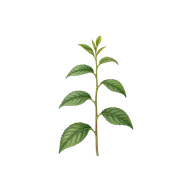
Typical of the family
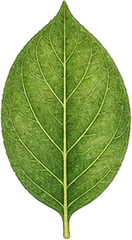
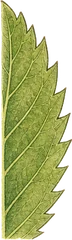
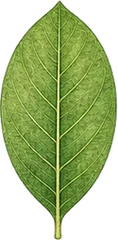
Characters marked “recorded” are for Gul-Mehndi itself; the rest are typical of the Balsaminaceae family.
Flower & fruit characters
- Flower colour
- Pinkrecorded
Typical of the family
- Inflorescence
- Solitary
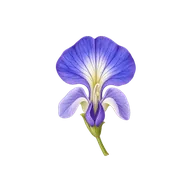
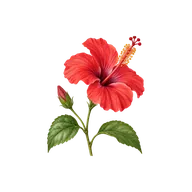
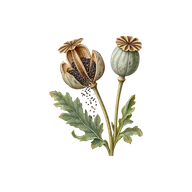
Characters marked “recorded” are for Gul-Mehndi itself; the rest are typical of the Balsaminaceae family — flowering plants only.
About Gul-Mehndi
Impatiens balsamina var. macrantha is a herb in the Balsaminaceae family. Flowering and fruiting run from December to January.
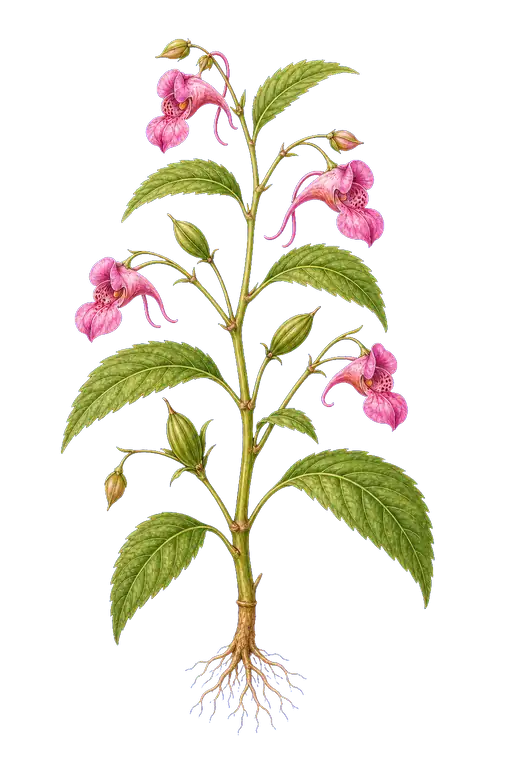
Balsaminaceae
Balsam/Touch-me-not family
Gul-Mehndi belongs to the Balsaminaceae family.
The illustration represents the family — not necessarily this exact species.
Explore the Balsaminaceae familySnap it. Know it.
Point your camera at Gul-Mehndi or any plant and SASYA identifies it instantly — on-device, offline, and private.
Common plant problems
If you are starting from symptoms instead of a diagnosis, use the plant disease symptom checker to narrow the cause before treating.
All plant problem & care guides