
Gul-Mehndi / Garden Balsam
Impatiens balsamina
Also known as Blackberry Trifle, Balsam Plant, Balsam Weed, Jewel Weed
- Habit
- Herb
- Found in India
- Maharashtra, Karnataka, Kerala & more
- Flowering
- August-February
How to identify Gul-Mehndi
Identify Gul-Mehndi by combining habit, leaf characters, flower or fruit details, location, and its family pattern. Do not rely on one feature alone.
- Look for a herb habit.
- Check the distinctive field mark: Classic cultivated garden balsam.
- Confirm leaf arrangement: Alternate.
- Confirm leaf margin: Toothed.
- Confirm flower colour: Pink.
- Confirm fruit type: Capsule.
- In season, compare flowering and fruiting time: August-February.
Plant Details
- Scientific name
- Impatiens balsamina
- Genus
- Impatiens
- Family
- Balsaminaceae
- Habit
- Herb
- Habitat
- Grasslands and plateaus
- Habitat type
- Grassland
- Native to
- Indo-Malesia
- Distribution
- Tropical Asia
- Found in India
- Maharashtra, Karnataka, Kerala, Tamil Nadu, Madhya Pradesh, Andhra Pradesh, Chhattisgarh, Uttarakhand, Telangana, West Bengal, Assam, Gujarat, Goa, Odisha, Puducherry, Bihar, Mizoram, Arunachal Pradesh, Himachal Pradesh, Rajasthan, Uttar Pradesh, Dadra & Nagar Haveli, Haryana, Manipur, Meghalaya, Delhi, Tripura
- Flowering & fruiting
- August-February
- Conservation status
- Not Evaluated (NE)
Leaf characters
- Leaf arrangement
- AlternaterecordedOne leaf per node, arranged in a spiral or zigzag up the stem.
- Leaf margin
- ToothedrecordedA saw-like or jagged edge (serrate or dentate).“The leaves are spirally-arranged, 2.5–9 cm long and 1–2.5 cm broad, with a deeply toothed margin.” — Wikipedia, CC BY-SA 4.0
- Leaf surface
- Glabrous (smooth, hairless)recorded
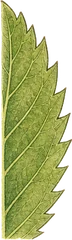
Typical of the family
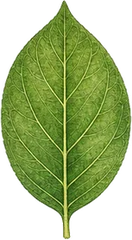

Characters marked “recorded” are for Gul-Mehndi itself; the rest are typical of the Balsaminaceae family.
Flower & fruit characters
- Flower colour
- Pinkrecorded
- Fruit type
- CapsulerecordedA dry fruit from a fused ovary that splits open at maturity to release seeds.“The ripe seed capsules undergo explosive dehiscence.” — Wikipedia, CC BY-SA 4.0
Typical of the family
- Flower symmetry
- Zygomorphic (bilaterally symmetrical)
- Inflorescence
- Solitary
- Fruit
- Capsule
Characters marked “recorded” are for Gul-Mehndi itself; the rest are typical of the Balsaminaceae family — flowering plants only.
Local Names
- Hindi
- गुल मेहेंदी Gul-mehndi
- Nepali
- तिउरी Tiuree, तिरा-मिरा Tiraa-miraa, पडके Padake
- Bengali
- দোপাটি, সপুষ্পক ও ঔষুধি উদ্ভিদ।
- Tamil
- Aivartenkittumpai, Aivartyenki, காசித்தும்பை
- Telugu
- Chilaka mukka puvvu, kaasithummi, Kasi tummi
- Kannada
- ಕರ್ಣಕುಂಡಲ Karna kundala ಗೌರಿಹೂ Gowri hoo
- Malayalam
- Tilo-onapu, കാശിത്തുമ്പ, Impatiens balsamina
- Marathi
- Chirdo, तेरडा Terada, तेरडा
Gul-Mehndi in India
This annual flower, known as गुल मेहेंदी Gul-mehndi (Hindi), Aivartenkittumpai (Tamil), Chilaka mukka puvvu (Telugu), ಕರ್ಣಕುಂಡಲ Karna kundala ಗೌರಿಹೂ Gowri hoo (Kannada), Tilo-onapu (Malayalam), Chirdo (Marathi), is a familiar cottage-garden plant. Impatiens balsamina is grown across Maharashtra, Karnataka, Kerala, Tamil Nadu, Madhya Pradesh, Chhattisgarh, popular for its easy care and bright, long-lasting blooms.
Uses
It's grown almost entirely as an easy, colourful bedding flower, valued for blooming reliably through the warmer months in a wide range of pinks, reds, purples and whites.
How to Identify Gul-Mehndi
A soft, succulent-stemmed annual herb with narrow, toothed leaves. Flowers are flat-faced with a short spur at the back, in shades of pink, red, purple or white, followed by a swollen seed capsule that pops open explosively at the lightest touch when ripe, flinging seeds outward.
How to Keep It Healthy in India
Garden balsam is an easy seasonal flower, but it is not a dry succulent and not a permanent shrub. Sow or plant it when heat and moisture are rising, give bright light with protection from harsh afternoon sun in very hot cities, and keep the soil consistently moist without letting pots stand in water. A loose compost-rich mix works well because the stems are soft and fast-growing. Feed lightly every few weeks once buds appear. In heavy monsoon rain, move pots where air circulates; crowded wet plants collapse quickly from stem rot. After flowering, let a few seed capsules mature if you want the next batch.
Frequently Asked Questions
- What is Garden Balsam called in different Indian languages?
- गुल मेहेंदी Gul-mehndi (Hindi); Aivartenkittumpai (Tamil); Chilaka mukka puvvu (Telugu); ಕರ್ಣಕುಂಡಲ Karna kundala ಗೌರಿಹೂ Gowri hoo (Kannada); Tilo-onapu (Malayalam); Chirdo (Marathi); দোপাটি (Bengali).
- Why do the seed pods 'explode'?
- The ripe capsule builds up tension in its outer layer, so the slightest touch triggers it to split and curl back suddenly, flinging seeds away from the parent plant — a dispersal mechanism common to the genus Impatiens.
- Is this the same plant used to dye nails or hair?
- No — the henna used for skin and hair dye comes from Lawsonia inermis; garden balsam (Impatiens balsamina) is grown purely as an ornamental flower, though its name references a folk use of its petals for nail colouring in some regions.
- Why is my garden balsam stem rotting?
- The common cause is wet, crowded soil during humid weather. Use a loose mix, avoid standing water, and keep pots where air can move around the stems.
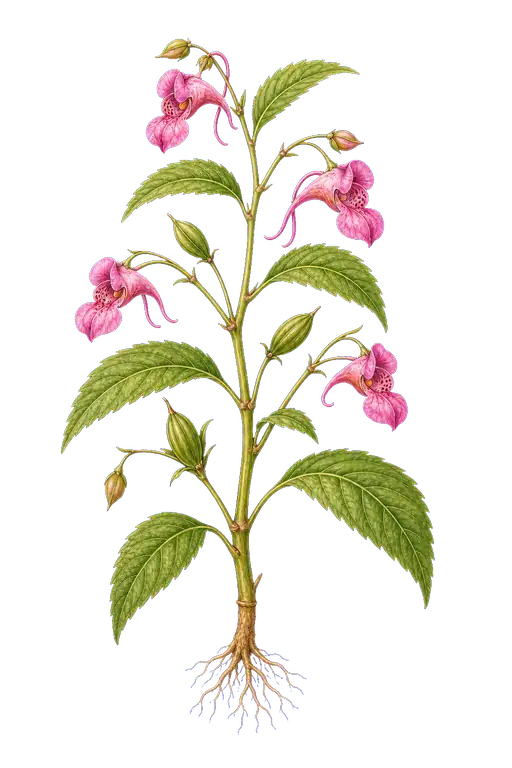
Balsaminaceae
Balsam/Touch-me-not family
Gul-Mehndi belongs to the Balsaminaceae family.
The illustration represents the family — not necessarily this exact species.
Explore the Balsaminaceae familySnap it. Know it.
Point your camera at Gul-Mehndi or any plant and SASYA identifies it instantly — on-device, offline, and private.
Common plant problems
If you are starting from symptoms instead of a diagnosis, use the plant disease symptom checker to narrow the cause before treating.
All plant problem & care guidesMore in Balsaminaceae
View all BalsaminaceaeSources: GBIF — Impatiens balsamina (India distribution & vernacular names) (CC BY 4.0) · Wikipedia — Impatiens balsamina (background/comprehension only) (CC BY-SA 4.0)