
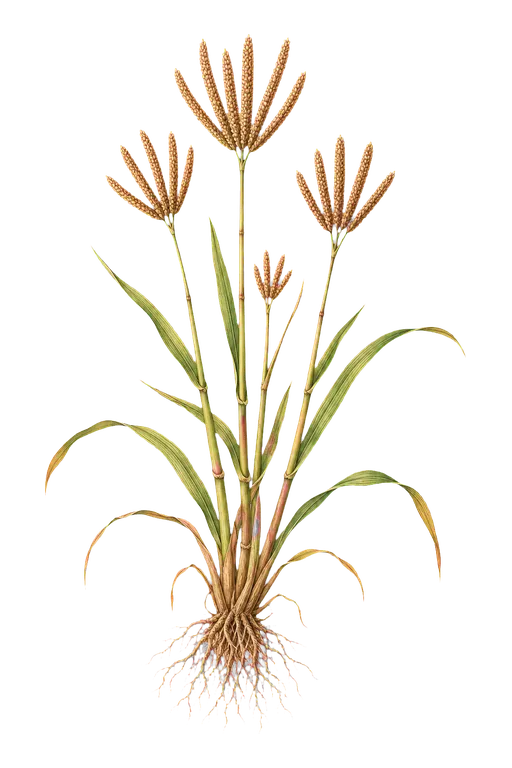
Mandua / Ragi
Eleusine coracana
Also known as Finger Millet, African Millet, Ragi Cereal
- Habit
- Herb
- Found in India
- Andhra Pradesh, Uttar Pradesh, Madhya Pradesh & more
- Flowering
- March-November
How to identify Mandua
Identify Mandua by combining habit, leaf characters, flower or fruit details, location, and its family pattern. Do not rely on one feature alone.
- Look for a herb habit.
- Check the distinctive field mark: Cultivated grain crop with finger-like seed spikes (ragi/finger millet).
- Confirm fruit surface: Smooth, not spiny.
- In season, compare flowering and fruiting time: March-November.
- In India, compare location records such as Andhra Pradesh, Uttar Pradesh, Madhya Pradesh, West Bengal and nearby regions.
- Confirm it sits within the Poaceae family pattern, then compare close relatives before deciding it is Mandua.
Plant Details
- Scientific name
- Eleusine coracana
- Genus
- Eleusine
- Family
- Poaceae
- Habit
- Herb
- Habitat
- Widely cultivated in Paleotropics
- Habitat type
- Cultivated
- Native to
- Old World tropics
- Distribution
- Cultivated in Old World Tropics
- Found in India
- Andhra Pradesh, Uttar Pradesh, Madhya Pradesh, West Bengal, Karnataka, Maharashtra, Himachal Pradesh, Tamil Nadu, Jammu & Kashmir, Sikkim, Arunachal Pradesh, Bihar, Gujarat, Uttarakhand
- Flowering & fruiting
- March-November
- Conservation status
- Not Evaluated (NE)
Leaf characters
- Arrangement
- Alternate
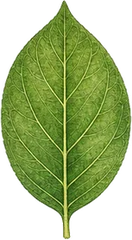
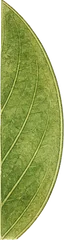

Typical of the Poaceae family — a field-mark hint, not measured for this exact species.
Flower & fruit characters
- Fruit surface
- Smooth, not spinyrecorded
Typical of the family
- Flower symmetry
- Actinomorphic (radially symmetrical)
- Inflorescence
- Spike
- Fruit
- Grain
Characters marked “recorded” are for Mandua itself; the rest are typical of the Poaceae family — flowering plants only.
Local Names
- Hindi
- मंडुआ mandua, मंडवा mandwa, मड़ुआ marua, ragi
- Nepali
- मड़ुवा maruwa, कोदो
- Bengali
- marwa
- Tamil
- ஆரியம் aariyam, இராகி iraki, கேழ்வரகு kel-varaku, கேழ்வரகு
- Telugu
- రాగి ragi, తమిదలు tamidalu, రాగి
- Kannada
- ರಾಗಿ ragi, ರಾಗಿ, ಗುಲಿ ವಿಧಾನ: ರಾಗಿ
- Malayalam
- രാഗി ragi, മുത്താറി, പഞ്ഞപ്പുല്ല്, കൂവരക്
- Marathi
- नाचणी nachani, नागली nagali, नाचणी
- Sanskrit
- मडक
- Punjabi
- ਮੰਡੁਆ
- Sinhala
- කුරක්කන්, කුරහං
Mandua in India
Finger millet, known as मंडुआ mandua (Hindi), ஆரியம் aariyam (Tamil), రాగి ragi (Telugu), ರಾಗಿ ragi (Kannada), രാഗി ragi (Malayalam), नाचणी nachani (Marathi), is a hardy staple grain especially important in South India. Eleusine coracana is grown across Andhra Pradesh, Bihar State, Madras State, Uttar Pradesh, Uttar Pradesh State, Mysore State, valued for tolerating poor soils and low rainfall.
Uses
The grain is ground into flour for ragi mudde (a staple dumpling in Karnataka), ragi roti, porridge, and malted ragi drinks for infants and convalescents, prized for its calcium content.
How to Identify Mandua
A tufted annual grass to about a metre tall. The seed head is the clearest identifying feature: several finger-like spikes radiate from a single point at the top of the stem, like a claw or open hand, densely packed with tiny grains that ripen to dark brown.
Frequently Asked Questions
- What is Ragi called in different Indian languages?
- मंडुआ mandua (Hindi); ஆரியம் aariyam (Tamil); రాగి ragi (Telugu); ರಾಗಿ ragi (Kannada); രാഗി ragi (Malayalam); नाचणी nachani (Marathi); marwa (Bengali); ਮੰਡੁਆ (Punjabi); मडक (Sanskrit).
- Why is it called 'finger millet'?
- The seed head splits into several narrow, finger-like spikes radiating from one point, giving the crop its common English name.
- Is ragi gluten-free?
- Yes — like other millets, finger millet contains no gluten, which is part of why it's used in porridges and drinks for infants and those avoiding wheat.
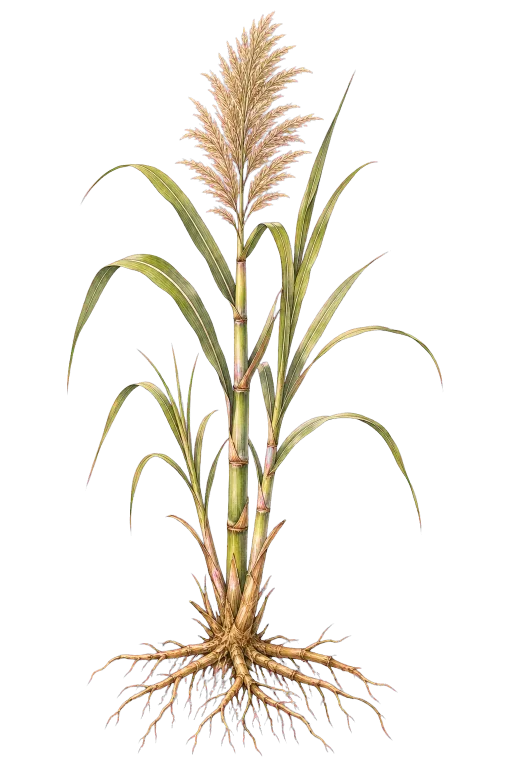
Poaceae
Grass family
Mandua belongs to the Poaceae family.
The illustration represents the family — not necessarily this exact species.
Explore the Poaceae familySnap it. Know it.
Point your camera at Mandua or any plant and SASYA identifies it instantly — on-device, offline, and private.
Common plant problems
If you are starting from symptoms instead of a diagnosis, use the plant disease symptom checker to narrow the cause before treating.
All plant problem & care guidesMore in Poaceae
View all PoaceaeSources: GBIF — Eleusine coracana (India distribution & vernacular names) (CC BY 4.0) · Wikipedia — Eleusine coracana (background/comprehension only) (CC BY-SA 4.0)