

Bhringaraj / False Daisy
Eclipta prostrata
Also known as Trailing Eclipta, Thistles
- Habit
- Herb
- Found in India
- Kerala, Maharashtra, West Bengal & more
- Flowering
- Throughout the year
How to identify Bhringaraj
Identify Bhringaraj by combining habit, leaf characters, flower or fruit details, location, and its family pattern. Do not rely on one feature alone.
- Look for a herb habit.
- Check the distinctive field mark: Small white daisy weed used in hair-oil products (bhringraj).
- Confirm leaf arrangement: Opposite.
- Confirm leaf shape: Lanceolate.
- Confirm flower colour: White.
- Confirm flower arrangement: Head.
- Use the leaf pattern: opposite leaf arrangement, simple leaves, toothed leaf margins, pinnate venation.
Plant Details
- Scientific name
- Eclipta prostrata
- Genus
- Eclipta
- Family
- Asteraceae
- Habit
- Herb
- Distribution
- Pantropics
- Found in India
- Kerala, Maharashtra, West Bengal, Uttar Pradesh, Tamil Nadu, Telangana, Gujarat, Rajasthan, Karnataka, Andhra Pradesh, Odisha, Uttarakhand, Delhi, Assam, Madhya Pradesh, Bihar, Haryana, Chhattisgarh, Goa, Puducherry, Manipur, Mizoram, Chandigarh, Himachal Pradesh, Jammu & Kashmir, Meghalaya, Punjab, Tripura, Dadra & Nagar Haveli, Jharkhand
- Flowering & fruiting
- Throughout the year
- Conservation status
- Not Evaluated (NE)
Leaf characters
- Leaf arrangement
- OppositerecordedTwo leaves arise from the stem at the same point, facing each other.“Leaves arranged in opposite pairs, hairy in two-sided, lanceolate, serrated 2–12.5 cm long, 5–35 mm wide.” — Wikipedia, CC BY-SA 4.0
- Leaf shape
- LanceolaterecordedLong and narrow, tapering to a point, like a lance head.“Leaves arranged in opposite pairs, hairy in two-sided, lanceolate, serrated 2–12.5 cm long, 5–35 mm wide.” — Wikipedia, CC BY-SA 4.0
- Leaf margin
- ToothedrecordedA saw-like or jagged edge (serrate or dentate).“Leaves arranged in opposite pairs, hairy in two-sided, lanceolate, serrated 2–12.5 cm long, 5–35 mm wide.” — Wikipedia, CC BY-SA 4.0
- Leaf surface
- PubescentrecordedCovered in short, soft hairs.“Leaves arranged in opposite pairs, hairy in two-sided, lanceolate, serrated 2–12.5 cm long, 5–35 mm wide.” — Wikipedia, CC BY-SA 4.0
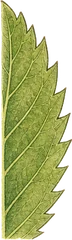
Typical of the family
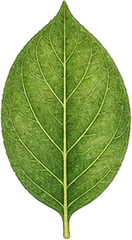
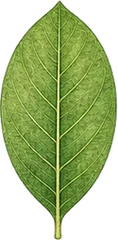
Characters marked “recorded” are for Bhringaraj itself; the rest are typical of the Asteraceae family.
Flower & fruit characters
- Flower colour
- Whiterecorded
- Flower arrangement
- HeadrecordedA dense, tight cluster of many small stalkless flowers, packed into a rounded or flat head.“The solitary flower heads are 6–8 mm (0.24–0.31 in) in diameter, with white florets.” — Wikipedia, CC BY-SA 4.0
- Fruit type
- AchenerecordedA small, dry, single-seeded fruit that does not split open.“The bumpy achenes are compressed and narrowly winged.” — Wikipedia, CC BY-SA 4.0
Typical of the family
- Flower symmetry
- Actinomorphic (radially symmetrical)
- Inflorescence
- Head
- Fruit
- Achene
Characters marked “recorded” are for Bhringaraj itself; the rest are typical of the Asteraceae family — flowering plants only.
Local Names
- Hindi
- भ्रिंगराज Bhringaraj, केशराज Kesharaj, Bhringraj, भ्रिंगराज (bhringraj)
- Nepali
- भ्रिङ्गराज Bhringaraaj, भंगेरी झार Bhangeree Jhaar, आली झार Aalee Jhaar
- Tamil
- கரிசலாங்கண்ணி
- Telugu
- Galagara, గుంటకలగర, గుంటగలగర
- Kannada
- ಅಜಗರ Ajagara, ಕಾಡಿಗೆಗರಿಗೆ Kaadige garige, ಗರುಗ Garuga, ಭೃಂಗರಾಜ್
- Malayalam
- Kannunni, കയ്യോന്നി, Eclipta alba
- Marathi
- भृंगराज, माका
- Sinhala
- කීකිරිඳිය
Bhringaraj in India
Bhringraj is a small creeping herb of damp ground famous in Ayurveda for hair — भ्रिंगराज Bhringaraj (Hindi), கரிசலாங்கண்ணி (Tamil), Galagara (Telugu), ಅಜಗರ Ajagara (Kannada), Kannunni (Malayalam), भृंगराज (Marathi). Eclipta prostrata is recorded across Kerala, Maharashtra, West Bengal, Tamil Nadu, Uttar Pradesh, Gujarat, in paddy edges, ditches and moist waste ground.
Uses
It is the classic Ayurvedic 'keshraj' (king of hair), traditionally pressed into hair oils said to support hair growth — an attributed traditional use, not medical advice. It is also a noted liver herb in tradition and yields a black dye.
How to Identify Bhringaraj
A low, rough-hairy herb that often roots along the stems, with narrow, opposite, lance-shaped leaves. The small flower heads are white, daisy-like with a low yellow centre. Crushing the stem can release a sap that blackens on the skin — a field clue.
Frequently Asked Questions
- What is False daisy called in different Indian languages?
- भ्रिंगराज Bhringaraj (Hindi); கரிசலாங்கண்ணி (Tamil); Galagara (Telugu); ಅಜಗರ Ajagara (Kannada); Kannunni (Malayalam); भृंगराज (Marathi).
- What is bhringraj used for?
- Bhringraj is a classical Ayurvedic hair herb (keshraj), traditionally infused into hair oils; this is an attributed traditional use and not medical advice.
- How do you identify bhringraj?
- Look for a low creeping herb of damp ground with opposite lance-shaped leaves and small white daisy-like flowers with a yellow centre.
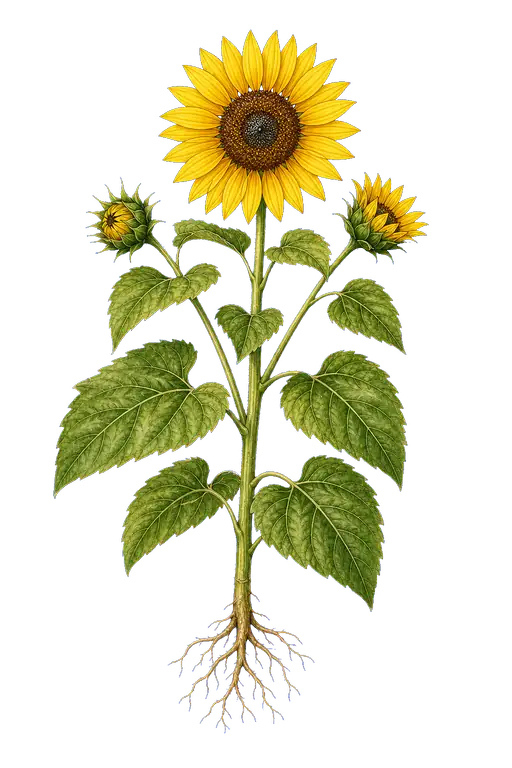
Asteraceae
Daisy/Sunflower family
Bhringaraj belongs to the Asteraceae family.
The illustration represents the family — not necessarily this exact species.
Explore the Asteraceae familySnap it. Know it.
Point your camera at Bhringaraj or any plant and SASYA identifies it instantly — on-device, offline, and private.
Common plant problems
If you are starting from symptoms instead of a diagnosis, use the plant disease symptom checker to narrow the cause before treating.
All plant problem & care guidesMore in Asteraceae
View all AsteraceaeSources: GBIF — Eclipta prostrata (India distribution & vernacular names) (CC BY 4.0) · iNaturalist — Eclipta prostrata (regional names, India observations) (CC BY 4.0) · Wikipedia — Eclipta prostrata (background/comprehension only) (CC BY-SA 4.0)