

Jangli Pudina / Goat Weed
Ageratum conyzoides
Also known as App Grass, White Weed
- Habit
- Herb
- Found in India
- Kerala, Maharashtra, Karnataka & more
- Flowering
- Throughout the year
How to identify Jangli Pudina
Identify Jangli Pudina by combining habit, leaf characters, flower or fruit details, location, and its family pattern. Do not rely on one feature alone.
- Look for a herb habit.
- Confirm leaf surface: Pubescent (softly hairy).
- Confirm flower colour: Purple.
- Use the leaf pattern: opposite leaf arrangement, simple leaves, toothed leaf margins, pinnate venation.
- In season, compare flowering and fruiting time: Throughout the year.
- In India, compare location records such as Kerala, Maharashtra, Karnataka, Tamil Nadu and nearby regions.
- Confirm it sits within the Asteraceae family pattern, then compare close relatives before deciding it is Jangli Pudina.
Plant Details
- Scientific name
- Ageratum conyzoides
- Genus
- Ageratum
- Family
- Asteraceae
- Habit
- Herb
- Native to
- America
- Distribution
- Tropical & sub-tropics of the World
- Found in India
- Kerala, Maharashtra, Karnataka, Tamil Nadu, Telangana, Assam, West Bengal, Madhya Pradesh, Uttarakhand, Rajasthan, Uttar Pradesh, Chhattisgarh, Bihar, Meghalaya, Odisha, Andhra Pradesh, Gujarat, Sikkim, Goa, Delhi, Manipur, Mizoram, Puducherry, Punjab, Arunachal Pradesh, Himachal Pradesh, Jharkhand, Tripura
- Flowering & fruiting
- Throughout the year
- Conservation status
- Not Evaluated (NE)
Leaf characters
- Leaf surface
- Pubescent (softly hairy)recorded
Typical of the family
- Arrangement
- Opposite
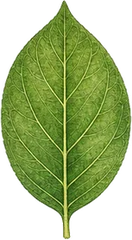
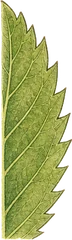
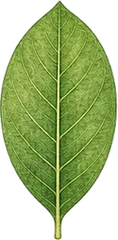
Characters marked “recorded” are for Jangli Pudina itself; the rest are typical of the Asteraceae family.
Flower & fruit characters
- Flower colour
- PurplerecordedPurple or violet
Typical of the family
- Flower symmetry
- Actinomorphic (radially symmetrical)
- Inflorescence
- Head
- Fruit
- Achene
Characters marked “recorded” are for Jangli Pudina itself; the rest are typical of the Asteraceae family — flowering plants only.
Local Names
- Hindi
- जंगली पुदीना Jangli pudina, Visadodi, Semandulu
- Nepali
- भेडा झार Bhedaa Jhaar, बोके घाँस Boke Ghaans, गनमने घाँस Ganamane Ghaans
- Bengali
- Uchunti, উচুন্টি
- Tamil
- Pumppillu, Appakkoti, பூம்புல்
- Kannada
- ಊರಾಳಗಿಡ Oorala gida, ಹೇಲುಕಸ Helukasa, ಶ್ವೇತಸಹದೇವಿ Shweta sahadevi
- Malayalam
- Kattappa, Muriyan pacca, അപ്പ
- Marathi
- Ghanera osaadi
Jangli Pudina in India
Goat weed is a soft, strong-smelling annual that carpets damp waste ground and field edges — जंगली पुदीना Jangli pudina (Hindi), Pumppillu (Tamil), ಊರಾಳಗಿಡ Oorala gida (Kannada), Kattappa (Malayalam), Ghanera osaadi (Marathi), Uchunti (Bengali). Ageratum conyzoides is recorded across Kerala, Maharashtra, Karnataka, Tamil Nadu, Telangana, Assam, especially after the rains.
Uses
It is a common weed with a folk first-aid reputation — crushed leaves are a traditional remedy applied to cuts (attributed, not medical advice). However it contains compounds that can harm the liver if taken internally, so it is best regarded as a weed, used externally if at all.
How to Identify Jangli Pudina
A soft, hairy annual with paired, oval, toothed leaves that smell unpleasant (goat-like) when crushed. The flower heads are small, fluffy and powder-puff-like in pale blue-mauve or white, clustered at the stem tips.
Frequently Asked Questions
- What is Goat Weed called in different Indian languages?
- जंगली पुदीना Jangli pudina (Hindi); Pumppillu (Tamil); ಊರಾಳಗಿಡ Oorala gida (Kannada); Kattappa (Malayalam); Ghanera osaadi (Marathi); Uchunti (Bengali).
- Is goat weed safe to use?
- Crushed leaves are a traditional external remedy for minor cuts, but the plant can be harmful to the liver if taken internally, so it should not be consumed.
- How do you identify goat weed?
- Look for a soft hairy weed with paired toothed leaves that smell goat-like when crushed and fluffy pale-blue powder-puff flower heads.
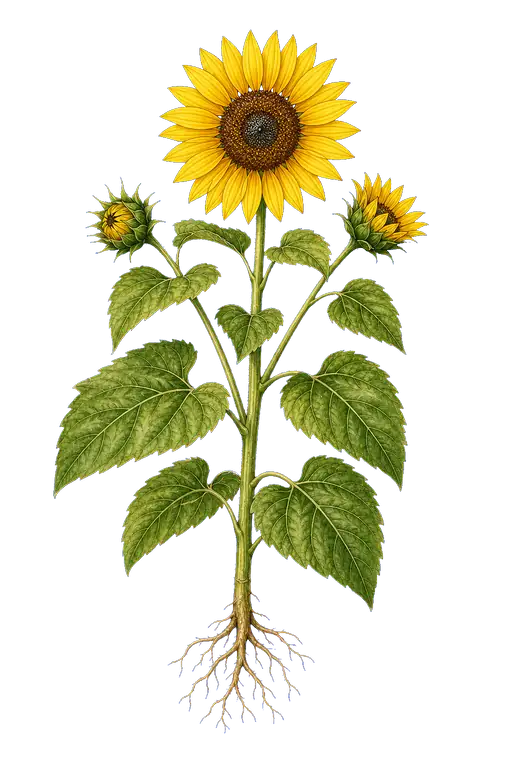
Asteraceae
Daisy/Sunflower family
Jangli Pudina belongs to the Asteraceae family.
The illustration represents the family — not necessarily this exact species.
Explore the Asteraceae familySnap it. Know it.
Point your camera at Jangli Pudina or any plant and SASYA identifies it instantly — on-device, offline, and private.
Common plant problems
If you are starting from symptoms instead of a diagnosis, use the plant disease symptom checker to narrow the cause before treating.
All plant problem & care guidesMore in Asteraceae
View all AsteraceaeSources: GBIF — Ageratum conyzoides (India distribution & vernacular names) (CC BY 4.0) · iNaturalist — Ageratum conyzoides (regional names, India observations) (CC BY 4.0) · Wikipedia — Ageratum conyzoides (background/comprehension only) (CC BY-SA 4.0)