
Typical of the Agavaceae family
Dracaena trifasciata
Goddumanji / Snake Plant ಗೊಡ್ಡುಮಂಜಿ
Kannada name · See all regional names ↓
Also known as Mother-In-Law's Tongue
- Habit
- Herb
- Found in India
- Tamil Nadu, Kerala, Karnataka & more
- Flowering
- Rarely flowers in cultivation
Goddumanji in regional languages
Find the name you know, then compare it with the botanical profile. Columns list recorded aliases; they are not paired translations. A Latin spelling appears only when it is present in the source record.
| Language | Regional script | Recorded Latin spelling |
|---|---|---|
| Mizo | Not recorded | Rullei |
| Kannada | ಗೊಡ್ಡುಮಂಜಿ · ಮಂಜಿನನಾರು · ಹೆಗ್ಗುರಂಟಿಕೆ | Goddumanji, Manjina naaru, Heggurantike |
See the original recorded names
- Mizo
- Rullei
- Kannada
- ಗೊಡ್ಡುಮಂಜಿ Goddumanji, ಮಂಜಿನನಾರು Manjina naaru, ಹೆಗ್ಗುರಂಟಿಕೆ Heggurantike
Goddumanji at a glance
Source-linked growing guidance. Adjust care to your climate, season and growing conditions. Unrecorded values are shown explicitly.
- Sunlight
- Site where it gets direct sun only part of the day (2-6 hours).
- Water & soil moisture
- Water carefully; let soil dry between waterings, only every 1-2 months in winter. Overwatering rots roots. Dracaena trifasciata, NC State Extension Gardener Plant Toolbox ↗︎Checked
- Pot & placement
- Not yet verified Research in progress
- Pet safety
- Toxicity reported; see source scope
NC State exposure category 'Partial Shade' page gives no low-light statement.
Dracaena trifasciata, NC State Extension Gardener Plant Toolbox ↗︎CheckedThis source covers pets; a separate human rating is not established here.
Clemson Cooperative Extension HGIC: Pet Owners Beware, 11 Poisonous Houseplants to Avoid ↗︎CheckedWater needs are conditional; these cards do not prescribe a fixed watering interval. Review dates belong to the individual source records.
Toxicity & contact hazards
What the sources report, with their scope intact. A missing rating stays unknown; a non-toxic listing doesn’t rule out irritation, injury or other hazards.
Reported toxicity
Reported toxic principle: saponins
Signs listed by the source: vomiting, diarrhoea, drooling
Irritating sap
The sap can cause skin irritation.
Growing context & reported issues
Published observations about growing settings, size and common problems. These are context for a plant profile, rather than a diagnosis of the plant in front of you.
Growing setting
Grown in containers and interior landscapes as a houseplant.
Reported pests & problems
No significant problems; watch for mealybugs and spider mites; overwatering may cause root rot.
Ecology & growing context
- Native status · Kew WCVP
- WCVP records it as introduced in Andaman Is., India Kew dataset ↗︎
Kew WCVP dataset; accepted-name match. Dataset matching is separate from an individual regional review. Recorded worldwide native range: S. Nigeria to WC. Trop. Africa, Tanzania.
- Recorded habitat
- Cultivated as ornamental; tolerates low light and drought
- Explore nearby plants
- Tamil Nadu →Kerala →Karnataka →
Occurrence records show where a plant has been recorded; they do not establish that it is native there. Compare local habitat and growing conditions when choosing plants for a garden.
How to identify Goddumanji
Identify Goddumanji by combining habit, leaf characters, flower or fruit details, location, and its family pattern. Do not rely on one feature alone.
- Look for a herb habit.
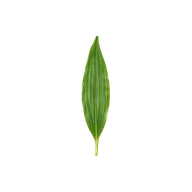
- Check the distinctive field mark: Stiff upright mottled banded leaves (snake plant).
- Confirm leaf arrangement: Basal.
- Confirm leaf shape: Rigid sword-shaped.
- In season, compare flowering and fruiting time: Rarely flowers in cultivation.
- In India, compare location records such as Tamil Nadu, Kerala, Karnataka, Andhra Pradesh and nearby regions.
- Confirm it sits within the Agavaceae family pattern, then compare close relatives before deciding it is Goddumanji.
Plant Details
- Scientific name
- Dracaena trifasciata
- Genus
- Dracaena
- Family
- Agavaceae
- Habit
- Herb
- Habitat
- Cultivated as ornamental; tolerates low light and drought
- Habitat type
- Cultivated
- Native to
- West Africa (Nigeria to Congo)
- Distribution
- Native to West Africa; cultivated globally
- Found in India
- Tamil Nadu, Kerala, Karnataka, Andhra Pradesh, Assam, Telangana, Uttarakhand, West Bengal, Maharashtra, Uttar Pradesh, Goa, Rajasthan, Delhi, Odisha, Chhattisgarh, Gujarat, Haryana, Arunachal Pradesh, Jharkhand, Madhya Pradesh, Punjab
- Flowering & fruiting
- Rarely flowers in cultivation
- Conservation status
- Not Evaluated (NE)
Leaf characters
- Leaf arrangement
- BasalrecordedLeaves cluster at the base of the plant rather than along a stem.“Its stiff leaves grow vertically from a basal rosette.” — Wikipedia, CC BY-SA 4.0
- Leaf shape
- Rigid sword-shapedrecorded
Typical of the family

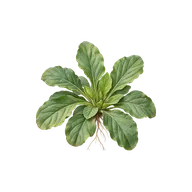
Characters marked “recorded” are for Goddumanji itself; the rest are typical of the Agavaceae family.
About Goddumanji
A member of the Agavaceae family, Snake Plant (Dracaena trifasciata) is a herb. In India it has been recorded in Tamil Nadu, Kerala, Karnataka and 18 other states. It is cultivated as ornamental; tolerates low light and drought. It rarely flowers in cultivation.
Uses
Locally it is planted as an ornamental and stripped for fibre used in rope and matting. Parts of this plant are reported as poisonous — treat it as unsafe to eat and wash your hands after handling.
In culture
It turns up in ritual and festival use.
Agavaceae
Agave Family
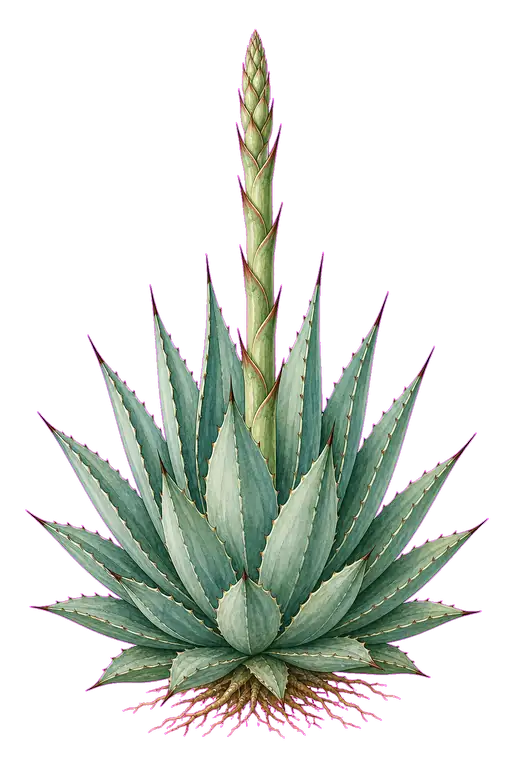
Goddumanji belongs to the Agavaceae family.
The illustration represents the family — not necessarily this exact species.
Explore the Agavaceae familySnap it. Know it.
Point your camera at Goddumanji or any plant and SASYA identifies it instantly — on-device, offline, and private.
Common plant problems
If you are starting from symptoms instead of a diagnosis, use the plant disease symptom checker to narrow the cause before treating.
All plant problem & care guides