
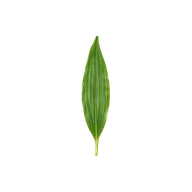
As recorded for Chalta
Dillenia indica
Chalta / Elephant Apple चलता
Hindi name · See all regional names ↓
Also known as Chulta, Dellenia, Hondapara Tree, Ma-Tad (Mal.)
- Habit
- Tree
- Found in India
- Assam, Uttarakhand, Maharashtra & more
- Flowering
- May-February
Chalta in regional languages
Find the name you know, then compare it with the botanical profile. Columns list recorded aliases; they are not paired translations. A Latin spelling appears only when it is present in the source record.
| Language | Regional script | Recorded Latin spelling |
|---|---|---|
| Hindi | चलता | Chalta, Karambel, chalta |
| Nepali | पाँच फल · रामफल · चल्ता | Panch Phal, Raamphaal, Chaltaa |
| Bengali | চালতা · চালিতা · চাইলতে | Not recorded |
| Tamil | உவா மரம் · ஓமை · யானை ஆப்பிள் | Not recorded |
| Telugu | రేవడిచెట్టు · పెద్దకళింగ | Not recorded |
| Kannada | ಕಲ್ತೇಗ · ಮುಚ್ಚಿಲು · ಗನಗಲು | Kaltega, Mucchilu, Ganagalu |
| Malayalam | മലമ്പുന്ന | Dillenia indica |
See the original recorded names
- Hindi
- चलता Chalta, Karambel, chalta
- Nepali
- पाँच फल Panch Phal, रामफल Raamphaal, चल्ता Chaltaa
- Bengali
- চালতা, চালিতা, চাইলতে
- Tamil
- உவா மரம், ஓமை, யானை ஆப்பிள்
- Telugu
- రేవడిచెట్టు, పెద్దకళింగ
- Kannada
- ಕಲ್ತೇಗ Kaltega, ಮುಚ್ಚಿಲು Mucchilu, ಗನಗಲು Ganagalu
- Malayalam
- മലമ്പുന്ന, Dillenia indica
Ecology & growing context
- Native status · Kew WCVP
- WCVP native range includes Assam, India Kew dataset ↗︎
Kew WCVP dataset; accepted-name match. Dataset matching is separate from an individual regional review. Recorded worldwide native range: India to China (S. Yunnan, S. Guangxi) and W. & C. Malesia.
- Recorded habitat
- Moist deciduous forests
- Explore nearby plants
- Assam →Uttarakhand →Maharashtra →
Occurrence records show where a plant has been recorded; they do not establish that it is native there. Compare local habitat and growing conditions when choosing plants for a garden.
How to identify Chalta
Identify Chalta by combining habit, leaf characters, flower or fruit details, location, and its family pattern. Do not rely on one feature alone.
- Look for a tree habit.
- Check the distinctive field mark: Large fleshy sour edible fruit enclosed in thick sepals (elephant apple).
- Confirm leaf venation: Parallel.
- In season, compare flowering and fruiting time: May-February.
- In India, compare location records such as Assam, Uttarakhand, Maharashtra, West Bengal and nearby regions.
- Confirm it sits within the Dilleniaceae family pattern, then compare close relatives before deciding it is Chalta.
Plant Details
- Scientific name
- Dillenia indica
- Genus
- Dillenia
- Family
- Dilleniaceae
- Habit
- Tree
- Habitat
- Moist deciduous forests
- Habitat type
- Forest
- Distribution
- India, Sri Lanka, Bangladesh, China, Thailand, Cambodia, Myanmar, Vietnam, Malaysia, Indo-China, Sumatra, Malay peninsula, Java, Borneo
- Found in India
- Assam, Uttarakhand, Maharashtra, West Bengal, Karnataka, Kerala, Arunachal Pradesh, Odisha, Madhya Pradesh, Tamil Nadu, Telangana, Chhattisgarh, Gujarat, Delhi, Rajasthan
- Flowering & fruiting
- May-February
- Conservation status
- Not Evaluated (NE)
Leaf characters
- Leaf venation
- ParallelrecordedVeins run alongside each other from base to tip without branching (typical of grasses and other monocots).“The leaves are 15–36 cm long, occasionally to 75 cm (30 inches) with a conspicuously corrugated surface with impressed parallel veins.” — Wikipedia, CC BY-SA 4.0

Characters marked “recorded” are for Chalta itself; the rest are typical of the Dilleniaceae family.
Chalta in India
This tree, known as चलता Chalta (Hindi), உவா மரம் (Tamil), రేవడిచెట్టు (Telugu), ಕಲ್ತೇಗ Kaltega (Kannada), മലമ്പുന്ന (Malayalam), চালতা (Bengali), is grown for its large, sour fruit. Dillenia indica is found across Assam, Uttarakhand, Maharashtra, West Bengal, Karnataka, Kerala, typically near streams and in moist forest.
Uses
Its large, sour fruit is cooked into chutneys, pickles and curries, valued for its tart flavour rather than eaten raw.
How to Identify Chalta
A tree with large, prominently veined, saw-toothed leaves. Flowers are large and showy, with five white petals surrounding a dense cluster of yellow stamens, followed by a large, round, hard-fleshed fruit formed from the thickened, fused sepals.
Frequently Asked Questions
- What is Elephant Apple called in different Indian languages?
- चलता Chalta (Hindi); உவா மரம் (Tamil); రేవడిచెట్టు (Telugu); ಕಲ್ತೇಗ Kaltega (Kannada); മലമ്പുന്ന (Malayalam); চালতা (Bengali).
- Is elephant apple eaten raw?
- Rarely — its flesh is quite sour and firm, so it's almost always cooked into chutneys, pickles or curries rather than eaten fresh.
- Why is the flower so large?
- Its five broad white petals and dense cluster of stamens make it one of the larger, showier flowers among Indian native trees, a useful identification feature.
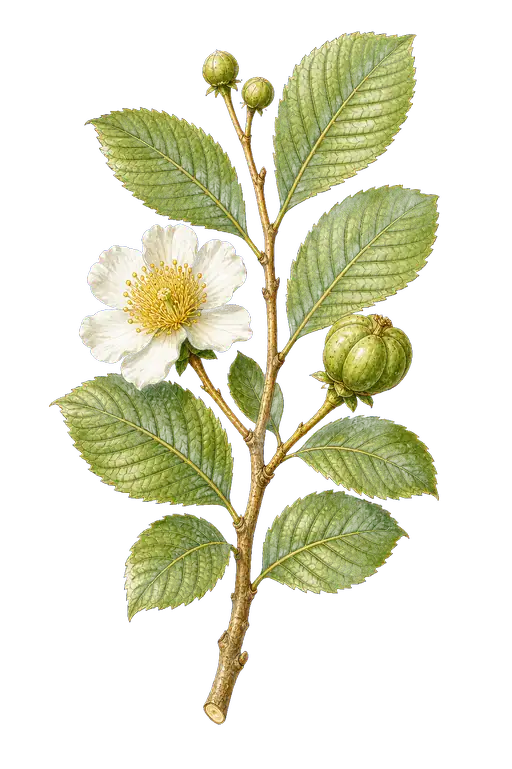
Dilleniaceae
Dillenia Family
Chalta belongs to the Dilleniaceae family.
The illustration represents the family — not necessarily this exact species.
Explore the Dilleniaceae familySnap it. Know it.
Point your camera at Chalta or any plant and SASYA identifies it instantly — on-device, offline, and private.
Common plant problems
If you are starting from symptoms instead of a diagnosis, use the plant disease symptom checker to narrow the cause before treating.
All plant problem & care guidesMore in Dilleniaceae
View all DilleniaceaeSources: GBIF — Dillenia indica (India distribution & vernacular names) (CC BY 4.0) · Wikipedia — Dillenia indica (background/comprehension only) (CC BY-SA 4.0)