
Rukh Lahure / Tree Dahlia
Dahlia imperialis
- Found in India
- Uttarakhand, West Bengal, Tamil Nadu
How to identify Rukh Lahure
Identify Rukh Lahure by combining habit, leaf characters, flower or fruit details, location, and its family pattern. Do not rely on one feature alone.
- Check the distinctive field mark: Tall tree-like dahlia with cane-like stems.
- Confirm leaf type: Tripinnately compound.
- Confirm leaf surface: Glabrous (smooth, hairless).
- Confirm flower colour: Pink.
- In India, compare location records such as Uttarakhand, West Bengal, Tamil Nadu.
- Confirm it sits within the Asteraceae family pattern, then compare close relatives before deciding it is Rukh Lahure.
Plant Details
- Scientific name
- Dahlia imperialis
- Genus
- Dahlia
- Family
- Asteraceae
- Found in India
- Uttarakhand, West Bengal, Tamil Nadu
- Conservation status
- Not Evaluated (NE)
Leaf characters
- Leaf type
- Tripinnately compoundrecordedThree times pinnately divided; the leaflets of a bipinnate leaf are themselves pinnate.“From its underground base, the plant will begin sending up hollow, cane-like, 4-sided stems with swollen nodes and large, tripinnate leaves;” — Wikipedia, CC BY-SA 4.0
- Leaf surface
- Glabrous (smooth, hairless)recorded
Typical of the family
- Arrangement
- Alternate
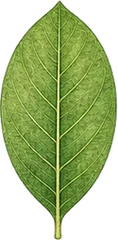
Characters marked “recorded” are for Rukh Lahure itself; the rest are typical of the Asteraceae family.
Flower & fruit characters
- Flower colour
- Pinkrecorded
Typical of the family
- Flower symmetry
- Actinomorphic (radially symmetrical)
- Inflorescence
- Head
- Fruit
- Achene
Characters marked “recorded” are for Rukh Lahure itself; the rest are typical of the Asteraceae family — flowering plants only.
Local Names
- Nepali
- रुख लाहुरे Rukh lahure
About Rukh Lahure
Tree Dahlia (Dahlia imperialis) is a species in the Asteraceae family. In India it has been recorded in Uttarakhand, West Bengal and Tamil Nadu.
Uses
It is grown for parts that are eaten and used to hold soil and restore degraded ground.
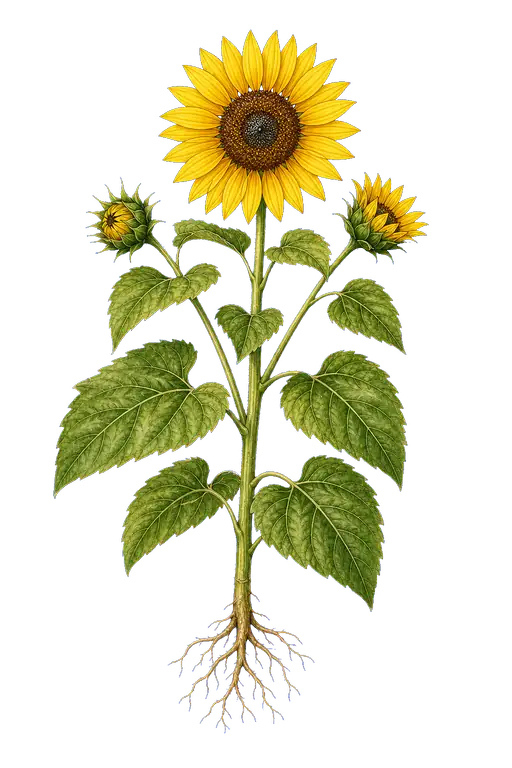
Asteraceae
Daisy/Sunflower family
Rukh Lahure belongs to the Asteraceae family.
The illustration represents the family — not necessarily this exact species.
Explore the Asteraceae familySnap it. Know it.
Point your camera at Rukh Lahure or any plant and SASYA identifies it instantly — on-device, offline, and private.
Common plant problems
If you are starting from symptoms instead of a diagnosis, use the plant disease symptom checker to narrow the cause before treating.
All plant problem & care guides