Cynodon dactylon
Doob / Dhub Grass
Also known as Bermuda Grass, Bahama Grass, Conch Grasss, Dog's Grass, Hariali Grass
- Habit
- Herb
- Found in India
- Gujarat, Rajasthan, West Bengal & more
- Flowering
- Throughout the year
Doob in regional languages
Find the name you know, then compare it with the botanical profile. Columns list recorded aliases; they are not paired translations. A Latin spelling appears only when it is present in the source record.
| Language | Regional script | Recorded Latin spelling |
|---|---|---|
| Hindi | दूब · दूब घास | Doob, Dobri, duba ghas |
| Nepali | दुबो · दूबो | Dubo |
| Bengali | দুর্বা · দূর্বা | Durba |
| Tamil | Not recorded | Arugampillu, Arukampillu, muyalpul |
| Telugu | Not recorded | Ghericha, gerichagaddi |
| Kannada | ಗಱಿಕೆ · ಗರಿಕೆ · ಗಱಿಕೆಹುಲ್ಲು ಗರಿಕೆಹುಲ್ಲು | Garike, Garikehullu |
| Malayalam | കറുക | Bermuda grass, Cynodon dactylon |
| Marathi | दूर्वा | haryali, dhurva |
See the original recorded names
- Hindi
- दूब Doob, Dobri,दूब घास duba ghas
- Nepali
- दुबो Dubo, दूबो
- Bengali
- দুর্বা Durba, দূর্বা
- Tamil
- Arugampillu, Arukampillu, muyalpul
- Telugu
- Ghericha, gerichagaddi
- Kannada
- ಗಱಿಕೆ, ಗರಿಕೆ Garike, ಗಱಿಕೆಹುಲ್ಲು ಗರಿಕೆಹುಲ್ಲು Garikehullu
- Malayalam
- കറുക, Bermuda grass, Cynodon dactylon
- Marathi
- haryali, dhurva, दूर्वा
Ecology & growing context
- Native status · Kew WCVP
- WCVP native range includes Andaman Is., Assam, India, Laccadive Is., Nicobar Is., West Himalaya Kew dataset ↗︎
Kew WCVP dataset; accepted-name match. Dataset matching is separate from an individual regional review. Recorded worldwide native range: Temp. & Subtrop. Old World to Australia.
- Explore nearby plants
- Gujarat →Rajasthan →West Bengal →
Occurrence records show where a plant has been recorded; they do not establish that it is native there. Compare local habitat and growing conditions when choosing plants for a garden.
How to identify Doob
Identify Doob by combining habit, leaf characters, flower or fruit details, location, and its family pattern. Do not rely on one feature alone.
- Look for a herb habit.
- Check the distinctive field mark: Very common creeping lawn grass (Bermuda/dhoob grass).
- Confirm leaf surface: Hirsute.
- Confirm fruit surface: Smooth, not spiny.
- Use the leaf pattern: alternate leaf arrangement, simple leaves, entire leaf margins, parallel venation.
- In season, compare flowering and fruiting time: Throughout the year.
- In India, compare location records such as Gujarat, Rajasthan, West Bengal, Maharashtra and nearby regions.
Plant Details
- Scientific name
- Cynodon dactylon
- Genus
- Cynodon
- Family
- Poaceae
- Habit
- Herb
- Distribution
- Tropical and warm Temperate regions throughout the world
- Found in India
- Gujarat, Rajasthan, West Bengal, Maharashtra, Uttar Pradesh, Himachal Pradesh, Uttarakhand, Tamil Nadu, Telangana, Odisha, Jammu & Kashmir, Meghalaya, Andhra Pradesh, Karnataka, Kerala, Assam, Chhattisgarh, Arunachal Pradesh, Bihar, Chandigarh, Delhi, Goa, Haryana, Jharkhand, Madhya Pradesh, Nagaland, Sikkim
- Flowering & fruiting
- Throughout the year
- Conservation status
- Not Evaluated (NE)
Leaf characters
- Leaf surface
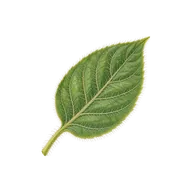
- HirsuterecordedCovered in coarse, stiff, bristly hairs.“The blades are grey-green in color and short, usually 2–15 cm (0.79–5.91 in) long with rough edges.” — Wikipedia, CC BY-SA 4.0
Typical of the family
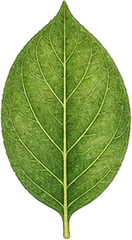
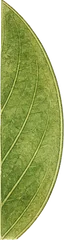

Characters marked “recorded” are for Doob itself; the rest are typical of the Poaceae family.
Flower & fruit characters
- Fruit surface
- Smooth, not spinyrecorded
Typical of the family
- Inflorescence
- Spike
- Fruit
- Grain
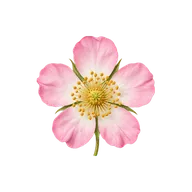
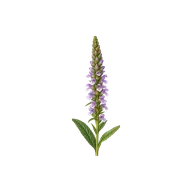
Characters marked “recorded” are for Doob itself; the rest are typical of the Poaceae family — flowering plants only.
Doob in India
Doob is the tough creeping grass of Indian lawns, fields and riverbanks, and a sacred plant too — दूब Doob (Hindi), Arugampillu (Tamil), Ghericha (Telugu), ಗಱಿಕೆ (Kannada), കറുക (Malayalam), haryali (Marathi). Cynodon dactylon is recorded across Gujarat, Rajasthan, West Bengal, Maharashtra, Uttar Pradesh, Himachal Pradesh, and durva is essential in Ganesha worship.
Uses
Durva grass is a key ritual offering, especially to Lord Ganesha, tied in small bunches. It is a hardy lawn and pasture grass and a soil binder against erosion, and the plant has attributed uses in Ayurveda (described for information, not advice).
How to Identify Doob
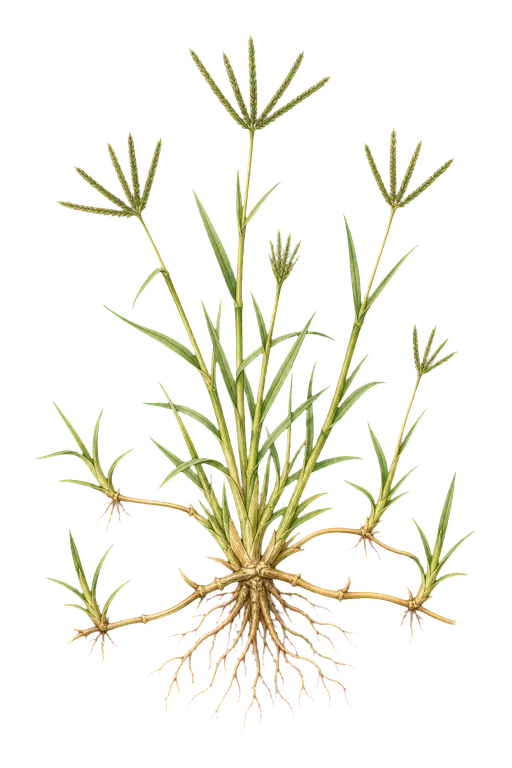
A low, wiry, fast-spreading grass that creeps by runners (stolons) rooting at every node to form dense mats. Its flower heads are distinctive: a few slender finger-like spikes radiating from one point at the top of the stalk.
Frequently Asked Questions
- What is Dhub grass called in different Indian languages?
- दूब Doob (Hindi); Arugampillu (Tamil); Ghericha (Telugu); ಗಱಿಕೆ (Kannada); കറുക (Malayalam); haryali (Marathi); দুর্বা Durba (Bengali).
- Why is durva grass offered to Ganesha?
- Durva (doob) is considered especially dear to Lord Ganesha and is offered in bunches during his worship across India.
- How do you identify doob grass?
- It is a low creeping grass that spreads by runners and has flower spikes arranged like a few fingers radiating from a single point.
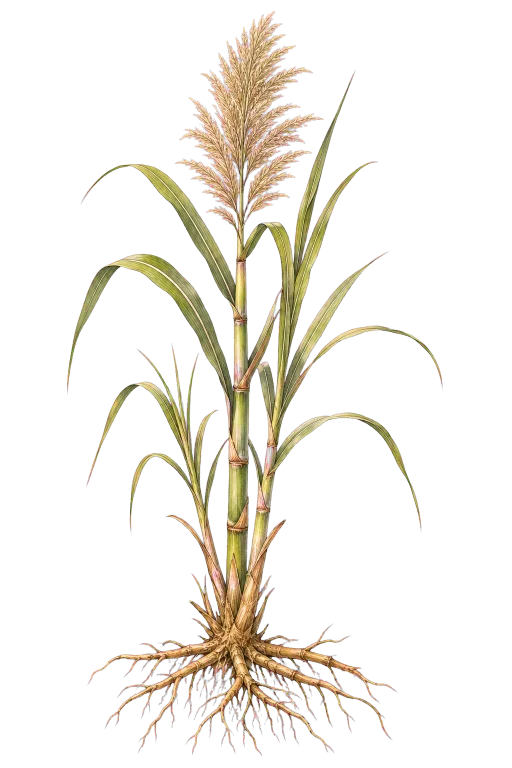
Poaceae
Grass family
Doob belongs to the Poaceae family.
The illustration represents the family — not necessarily this exact species.
Explore the Poaceae familySnap it. Know it.
Point your camera at Doob or any plant and SASYA identifies it instantly — on-device, offline, and private.
Common plant problems
If you are starting from symptoms instead of a diagnosis, use the plant disease symptom checker to narrow the cause before treating.
All plant problem & care guidesMore in Poaceae
View all PoaceaeSources: GBIF — Cynodon dactylon (India distribution & vernacular names) (CC BY 4.0) · iNaturalist — Cynodon dactylon (regional names, India observations) (CC BY 4.0) · Wikipedia — Cynodon dactylon (background/comprehension only) (CC BY-SA 4.0)