
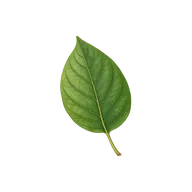
Typical of the Acanthaceae family
Crossandra infundibuliformis
Priyadarsha / Tropic Flame Crossandra प्रियदर्श
Hindi name · See all regional names ↓
- Habit
- Undershrub
- Found in India
- Telangana, Andhra Pradesh, Tamil Nadu & more
- Flowering
- Throughout the year
Priyadarsha in regional languages
Find the name you know, then compare it with the botanical profile. Columns list recorded aliases; they are not paired translations. A Latin spelling appears only when it is present in the source record.
| Language | Regional script | Recorded Latin spelling |
|---|---|---|
| Hindi | प्रियदर्श · अबोली | priyadarsha, aboli |
| Nepali | प्रियदर्शिनी | priyadarshini |
| Tamil | செம்பயிரவப்பூண்டு · கனகாம்பரம் · பவளக்குறிஞ்சி | cem-payirava-p-puntu, kanakamparam, pavala-k-kurinci |
| Telugu | కనకాంబరాలు | Not recorded |
| Kannada | ಕನಕಾಂಬರ ಅಬ್ಬೊಲಿಗೆ ಅಬ್ಬಲಿಗೆ · ಕನಕಾಂಬರ | Kanakaambara Abbolige Abbalige |
| Malayalam | പ്ര്യദര്ശിനീ · കനകാംബരം | priyadarshini, Crossandra infundibuliformis |
| Marathi | अबोली | aboli |
See the original recorded names
- Hindi
- प्रियदर्श priyadarsha,अबोली aboli
- Nepali
- प्रियदर्शिनी priyadarshini
- Tamil
- செம்பயிரவப்பூண்டு cem-payirava-p-puntu, கனகாம்பரம் kanakamparam, பவளக்குறிஞ்சி pavala-k-kurinci, கனகாம்பரம்
- Telugu
- కనకాంబరాలు
- Kannada
- ಕನಕಾಂಬರ Kanakaambara ಅಬ್ಬೊಲಿಗೆ Abbolige ಅಬ್ಬಲಿಗೆ Abbalige, ಕನಕಾಂಬರ
- Malayalam
- പ്ര്യദര്ശിനീ priyadarshini, കനകാംബരം, Crossandra infundibuliformis
- Marathi
- अबोली aboli, अबोली
Priyadarsha at a glance
Source-linked growing guidance. Adjust care to your climate, season and growing conditions. Unrecorded values are shown explicitly.
- Sunlight
- Protect from direct sun; low light stops flowering Crossandra infundibuliformis, NC State Extension Gardener Plant Toolbox ↗︎Checked
- Water & soil moisture
- Moist, well-drained soil; use warm water; pebble tray indoors Crossandra infundibuliformis, NC State Extension Gardener Plant Toolbox ↗︎Checked
- Pot & placement
- Not yet verified Research in progress
- Pet safety
- Not known to be toxic: cats, dogs, horses
NC State tags: non-toxic for cats, dogs and horses.
Crossandra infundibuliformis, NC State Extension Gardener Plant Toolbox ↗︎CheckedWater needs are conditional; these cards do not prescribe a fixed watering interval. Review dates belong to the individual source records.
Toxicity & contact hazards
What the sources report, with their scope intact. A missing rating stays unknown; a non-toxic listing doesn’t rule out irritation, injury or other hazards.
Reported toxicity
Not known to be toxic to pets
Growing context & reported issues
Published observations about growing settings, size and common problems. These are context for a plant profile, rather than a diagnosis of the plant in front of you.
Growing setting
Houseplant, container, patio, border
Reported size
30-90 cm tall, 30-60 cm wide
Reported pests & problems
Mealybugs, whitefly, aphids and mites are occasional visitors
Ecology & growing context
- Native status · Kew WCVP
- WCVP native range includes India Kew dataset ↗︎
Kew WCVP dataset; accepted-name match. Dataset matching is separate from an individual regional review. Recorded worldwide native range: Ethiopia to EC. Trop. Africa, India, Sri Lanka, Bangladesh.
- Recorded habitat
- Cultivated
- Explore nearby plants
- Telangana →Andhra Pradesh →Tamil Nadu →
Occurrence records show where a plant has been recorded; they do not establish that it is native there. Compare local habitat and growing conditions when choosing plants for a garden.
How to identify Priyadarsha
Identify Priyadarsha by combining habit, leaf characters, flower or fruit details, location, and its family pattern. Do not rely on one feature alone.
- Look for a undershrub habit.
- Check the distinctive field mark: Bright orange fan-shaped flower spikes (firecracker flower).
- Confirm leaf surface: Glabrous (smooth, hairless).
- Confirm flower colour: Orange.
- In season, compare flowering and fruiting time: Throughout the year.
- In India, compare location records such as Telangana, Andhra Pradesh, Tamil Nadu, Maharashtra and nearby regions.
- Confirm it sits within the Acanthaceae family pattern, then compare close relatives before deciding it is Priyadarsha.
Plant Details
- Scientific name
- Crossandra infundibuliformis
- Genus
- Crossandra
- Family
- Acanthaceae
- Habit
- Undershrub
- Habitat
- Cultivated
- Habitat type
- Cultivated
- Native to
- India, Sri Lanka
- Distribution
- India, Sri Lanka
- Found in India
- Telangana, Andhra Pradesh, Tamil Nadu, Maharashtra, Kerala, Karnataka, Goa, Odisha, Chhattisgarh, Puducherry, Gujarat, Madhya Pradesh, Rajasthan, Assam, Chandigarh, Meghalaya, Delhi, West Bengal
- Flowering & fruiting
- Throughout the year
- Conservation status
- Not Evaluated (NE)
Leaf characters
- Leaf surface
- Glabrous (smooth, hairless)recorded
Typical of the family
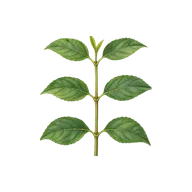
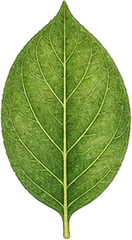


Characters marked “recorded” are for Priyadarsha itself; the rest are typical of the Acanthaceae family.
Flower & fruit characters
- Flower colour
- Orangerecorded
Typical of the family
- Inflorescence
- Spike
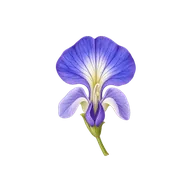
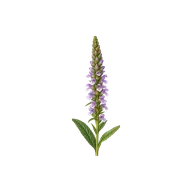
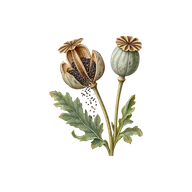
Characters marked “recorded” are for Priyadarsha itself; the rest are typical of the Acanthaceae family — flowering plants only.
About Priyadarsha
Tropic Flame Crossandra (Crossandra infundibuliformis) is a low shrub in the Acanthaceae family. In India it has been recorded in Telangana, Andhra Pradesh, Tamil Nadu and 15 other states. It is cultivated. It flowers and fruits through much of the year.
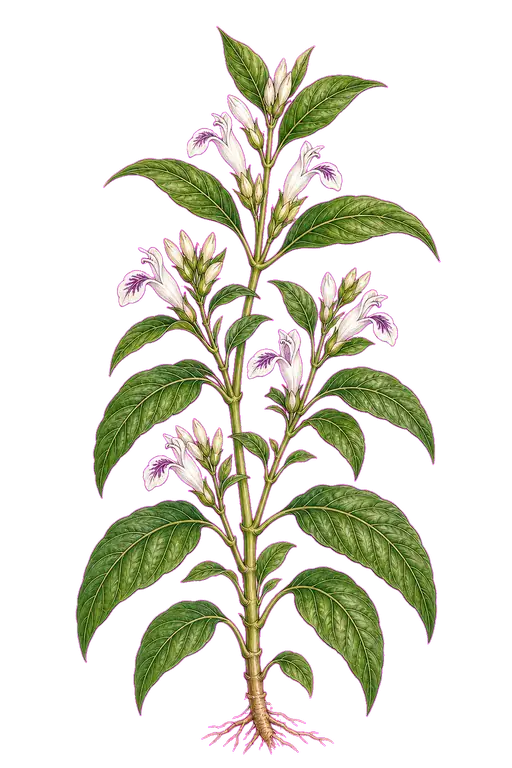
Acanthaceae
Acanthus family
Priyadarsha belongs to the Acanthaceae family.
The illustration represents the family — not necessarily this exact species.
Explore the Acanthaceae familySnap it. Know it.
Point your camera at Priyadarsha or any plant and SASYA identifies it instantly — on-device, offline, and private.
Common plant problems
If you are starting from symptoms instead of a diagnosis, use the plant disease symptom checker to narrow the cause before treating.
All plant problem & care guides