
Asthibhanga / Adament Creeper
Cissus quadrangularis
Also known as Bone Setter, Edible-Stemmed Vine
- Habit
- Climbing shrub
- Found in India
- Tamil Nadu, Andhra Pradesh, Kerala & more
- Flowering
- Throughout the year
How to identify Asthibhanga
Identify Asthibhanga by combining habit, leaf characters, flower or fruit details, location, and its family pattern. Do not rely on one feature alone.
- Look for a climbing shrub habit.
- Check the distinctive field mark: Thick winged square succulent stem (used medicinally as bone-setter).
- Confirm leaf type: Simple (single blade).
- Confirm leaf margin: Toothed.
- Confirm flower arrangement: Raceme.
- Confirm fruit type: Berry.
- In season, compare flowering and fruiting time: Throughout the year.
Plant Details
- Scientific name
- Cissus quadrangularis
- Genus
- Cissus
- Family
- Vitaceae
- Habit
- Climbing shrub
- Habitat
- Dry deciduous forests and scrub forests
- Distribution
- Africa, Arabia, Indo-Malesia
- Found in India
- Tamil Nadu, Andhra Pradesh, Kerala, Maharashtra, Karnataka, Rajasthan, Telangana, West Bengal, Gujarat, Bihar, Madhya Pradesh, Chhattisgarh, Jharkhand, Puducherry
- Flowering & fruiting
- Throughout the year
- Conservation status
- Not Evaluated (NE)
Leaf characters
- Leaf type
- Simple (single blade)recorded
- Leaf margin
- ToothedrecordedA saw-like or jagged edge (serrate or dentate).“Toothed trilobe leaves 2–5 cm (0.8–2.0 in) wide appear at the nodes.” — Wikipedia, CC BY-SA 4.0
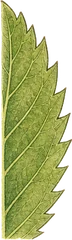
Typical of the family
- Arrangement
- Alternate
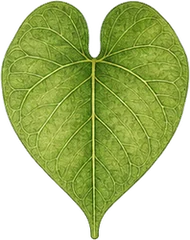
Characters marked “recorded” are for Asthibhanga itself; the rest are typical of the Vitaceae family.
Flower & fruit characters
- Flower arrangement
- RacemerecordedIndividual stalked flowers arranged along a central stem, opening from bottom to top.“Racemes of small white, yellowish, or greenish flowers;” — Wikipedia, CC BY-SA 4.0
- Fruit type
- BerryrecordedA fleshy fruit with seeds embedded directly in the pulp, no central stone.“globular berries are red when ripe.” — Wikipedia, CC BY-SA 4.0
Typical of the family
- Flower symmetry
- Actinomorphic (radially symmetrical)
- Inflorescence
- Cyme
- Fruit
- Berry
Characters marked “recorded” are for Asthibhanga itself; the rest are typical of the Vitaceae family — flowering plants only.
Local Names
- Hindi
- अस्थिभंग Asthibhanga, हड़जोड़ Harajora, हड़जोड़
- Bengali
- হাড়জোড়া Harajora, হাড়জোড়া
- Tamil
- அருகணி Arukani, கிருட்டி Kirutti, பிரண்டை Pirantai
- Telugu
- గుడమతీగ Gudametige, నల్లేరు Nalleru, వజ్రవల్లి Vajravalli
- Kannada
- ಮಂಗರವಳ್ಳಿ Mangaravalli, ಸಂದುಬಳ್ಳಿ Sanduballi, ವಜ್ರವಲ್ಲಿ Vajravalli
- Malayalam
- ചങ്ങലംപരണ്ട Changalamparanda, ചങ്ങലംപരണ്ട, Cissus quadrangularis
- Marathi
- घणसवेल Ghanasvel, घोणसकांडें Ghonuskande, कांडवेल Kandavel
- Assamese
- হাড় জোৰা লতা
- Sinhala
- හීරැස්ස
Asthibhanga in India
This succulent climbing vine, known as अस्थिभंग Asthibhanga (Hindi), அருகணி Arukani (Tamil), గుడమతీగ Gudametige (Telugu), ಮಂಗರವಳ್ಳಿ Mangaravalli (Kannada), ചങ്ങലംപരണ്ട Changalamparanda (Malayalam), घणसवेल Ghanasvel (Marathi), is named for its long traditional association with bone health. Cissus quadrangularis is found across Tamil Nadu, Andhra Pradesh, Kerala, Maharashtra, Karnataka, Rajasthan, often scrambling over rocks, walls and hedges.
Uses
Its thick, jointed stems have a long history of traditional Ayurvedic use, particularly associated with supporting bone healing — an attributed traditional use, not a medical claim.
How to Identify Asthibhanga
A succulent climbing vine with distinctly four-angled, jointed stems that root readily where they touch the ground, and small three-lobed leaves that often drop early, leaving the stem as the main visible feature. Small greenish flowers are followed by small red berries.
Frequently Asked Questions
- What is Adament creeper called in different Indian languages?
- अस्थिभंग Asthibhanga (Hindi); அருகணி Arukani (Tamil); గుడమతీగ Gudametige (Telugu); ಮಂಗರವಳ್ಳಿ Mangaravalli (Kannada); ചങ്ങലംപരണ്ട Changalamparanda (Malayalam); घणसवेल Ghanasvel (Marathi); হাড়জোড়া Harajora (Bengali).
- Why is it called 'bone setter'?
- Its Sanskrit name asthibhanga (meaning 'bone breaker/mender') and long traditional Ayurvedic association with bone health both point to this common English name.
- Why does the stem look segmented?
- Its thick, succulent stems are naturally divided into four-angled sections at regular joints, a distinctive feature that also lets cut stem pieces root and grow readily.
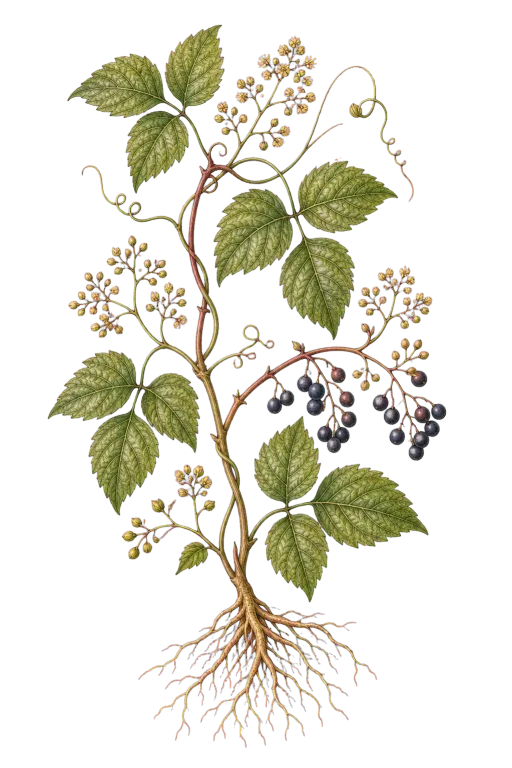
Vitaceae
Grape family
Asthibhanga belongs to the Vitaceae family.
The illustration represents the family — not necessarily this exact species.
Explore the Vitaceae familySnap it. Know it.
Point your camera at Asthibhanga or any plant and SASYA identifies it instantly — on-device, offline, and private.
Common plant problems
If you are starting from symptoms instead of a diagnosis, use the plant disease symptom checker to narrow the cause before treating.
All plant problem & care guidesMore in Vitaceae
View all VitaceaeSources: GBIF — Cissus quadrangularis (India distribution & vernacular names) (CC BY 4.0) · Wikipedia — Cissus quadrangularis (background/comprehension only) (CC BY-SA 4.0)