Bhang / Indian Hemp
Cannabis sativa
Also known as Hemp, Marijuana Plant, Gallow Grass, Mary Jane, True Hemp, Soft Hemp
- Habit
- Undershrub
- Found in India
- Uttarakhand, Uttar Pradesh, Himachal Pradesh & more
- Flowering
- November-April
Plant Details
- Scientific name
- Cannabis sativa
- Genus
- Cannabis
- Family
- Cannabaceae
- Habit
- Undershrub
- Native to
- Central Asia
- Distribution
- Central Asia to Tropics of the World
- Found in India
- Uttarakhand, Uttar Pradesh, Himachal Pradesh, Punjab, Assam, Haryana
- Flowering & fruiting
- November-April
- Conservation status
- Not Evaluated (NE)
Leaf characters
- Arrangement
- Variable
- Venation
- Variable
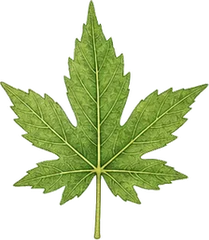
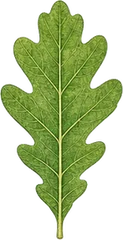
Typical of the Cannabaceae family — a field-mark hint, not measured for this exact species.
Flower & fruit characters
Typical of the Cannabaceae family — flowering plants only; individual species can differ.
Local Names
- Hindi
- भांग Bhang, गांजा Ganja, चरस Charas,गाँजा ganja
- Nepali
- भाङ Bhaang, गाँजा Gaanjaa, गाँजा
- Bengali
- গাঁজা
- Tamil
- Alatam, அநநத மூல Ananta Muli
- Telugu
- Bangiaaku, Bangiaku, Gaanja Chettu
- Kannada
- ಭಂಗಿ Bhangi, ಭಂಗಿಗಿಡ Bhangi Gida, ಕುಸುವು Kusuvu
- Malayalam
- Cherukanchava, Ginjilachilachi
- Marathi
- भांग Bhang, गांजा
- Sinhala
- කංසා, ගංජා
Bhang in India
This plant, known as भांग Bhang (Hindi), Alatam (Tamil), Bangiaaku (Telugu), ಭಂಗಿ Bhangi (Kannada), Cherukanchava (Malayalam), भांग Bhang (Marathi), has a long history in the subcontinent, from fibre and seed oil to its regulated recreational and religious use. Cannabis sativa is found across Uttarakhand, Uttar Pradesh, Himachal Pradesh, Punjab, Assam, Haryana, both cultivated and growing wild.
Uses
Its fibre has traditionally been used for rope and coarse cloth, and its seeds are pressed for oil; in some Indian states, bhang (made from the leaves) is legally sold and consumed in food and drink during festivals like Holi and Shivratri, though cultivation, sale and possession are otherwise tightly regulated and vary by state — check local law before assuming any use is legal.
How to Identify Bhang
An annual herb with a distinctive palmately compound leaf — several narrow, serrated leaflets radiating from a single point, like fingers from a palm. Male and female flowers grow on separate plants, small and inconspicuous, with female plants developing the dense, resinous flower clusters the plant is best known for.
Frequently Asked Questions
- What is Indian Hemp called in different Indian languages?
- भांग Bhang (Hindi); Alatam (Tamil); Bangiaaku (Telugu); ಭಂಗಿ Bhangi (Kannada); Cherukanchava (Malayalam); भांग Bhang (Marathi); গাঁজা (Bengali).
- Is bhang legal in India?
- Its legal status is complex and varies by state — bhang (leaf preparations) is permitted and sold in some states under regulation, especially around festivals, while cultivation, resin and flower use are far more tightly restricted under central law; always check current local regulations.
- What's the difference between bhang, ganja and charas?
- All three come from Cannabis sativa: bhang is made from the leaves, ganja from the dried flowering tops, and charas from the resin — they differ in the plant part used and potency, not the species.
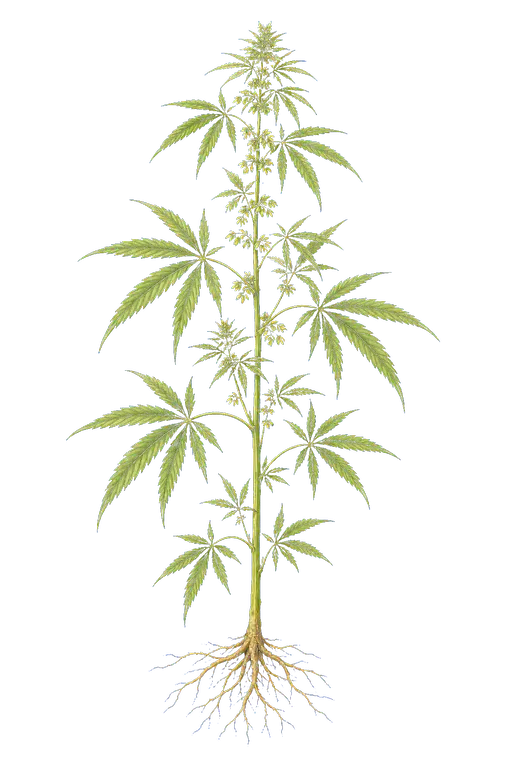
Cannabaceae
Cannabis/Hemp family
Bhang belongs to the Cannabaceae family.
The illustration represents the family — not necessarily this exact species.
Explore the Cannabaceae family →Snap it. Know it.
Point your camera at Bhang or any plant and SASYA identifies it instantly — on-device, offline, and private.
Common plant problems
All plant problem & care guides →Sources: GBIF — Cannabis sativa (India distribution & vernacular names) (CC BY 4.0) · Wikipedia — Cannabis sativa (background/comprehension only) (CC BY-SA 4.0)