
Signs of a Healthy Plant
A healthy plant shows consistent, easy-to-spot signs: clean leaves, steady growth, stable stems, and roots that are firm rather than mushy. Use these checks to confirm that your plant is doing well, then keep the care routine simple.
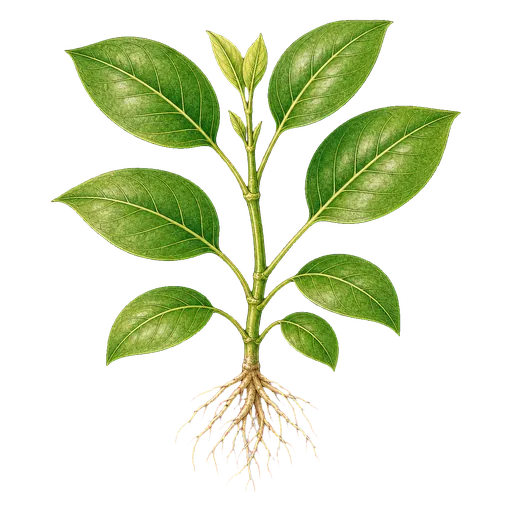
What healthy growth looks like
- Leaves are firm, evenly coloured, and free from spots, webbing, or sticky residue
- New leaves or shoots appear during the plant's active growing season
- Stems feel stable at the base instead of soft, hollow, or wobbly
- Soil dries at a normal pace between waterings
- Visible roots are pale or tan and firm, not black, slimy, or foul-smelling
When to look more closely
Even healthy plants can have an old yellow leaf now and then. Check more carefully if several leaves yellow at once, new growth is distorted, the soil stays wet for too long, or you notice fine webbing, tiny moving insects, sticky patches, or spreading spots.
Simple care routine
- Water when the top layer of soil has dried enough for that plant, not on a fixed calendar date
- Match light to the species; many foliage houseplants prefer bright, indirect light
- Feed lightly with a balanced fertiliser during active growth
- Keep air moving around the plant and wipe dust from broad leaves
- Repot every 1-2 years, or when roots circle tightly around the pot
Care notes for India
Hot, dry summers can stress tropical houseplants even when they are otherwise healthy. Move sensitive plants away from harsh afternoon sun, group humidity-loving plants together, and check pots more often during heat waves.
Habits that prevent problems
- Inspect new plants before placing them near the rest of your collection
- Check leaf undersides and stem joints once a week
- Avoid over-watering and over-fertilising; both can damage roots quickly
- Remove dead leaves from the pot surface so pests and fungus have fewer places to hide
Frequently asked questions
How do I know if my plant is healthy?
A healthy plant has firm, evenly coloured leaves, steady seasonal growth, stable stems, and firm pale roots. It should not show spreading spots, webbing, sticky residue, or soft, rotting stems.
How do I keep my houseplant healthy?
Give it the right light, water only when the soil has dried enough for that species, feed lightly during active growth, keep leaves clean, and inspect it weekly so small issues are caught early.
What's the most common mistake that harms houseplants?
Overwatering. Many houseplants struggle from constantly wet soil rather than slightly dry soil, so use a pot with drainage and let the mix dry appropriately between waterings.
Sources
- Royal Horticultural Society (RHS) — Houseplants
- University of Minnesota Extension — Caring for houseplants
- Missouri Botanical Garden — Houseplant care basics
General guidance for home growers — always follow product labels and local regulations before using any treatment.
Check your plant with SASYA
Identify any plant, check a leaf for common problems and set watering reminders — on-device, private and free. Health checks and reminders are on Android now, coming to iPhone next.