
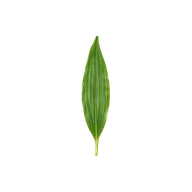
Typical of the Commelinaceae family
Tradescantia zebrina
Inchplant
- Found in India
- Kerala, Maharashtra, Goa & more
Inchplant at a glance
Source-linked growing guidance. Adjust care to your climate, season and growing conditions. Unrecorded values are shown explicitly.
- Sunlight
- Does best in filtered sun; tolerates full sun to partial shade. Tradescantia zebrina, NC State Extension Gardener Plant Toolbox ↗︎Checked
- Water & soil moisture
- Water regularly but let soil dry out between waterings; reduce in winter. Tradescantia zebrina, NC State Extension Gardener Plant Toolbox ↗︎Checked
- Pot & placement
- Not yet verified Research in progress
- Pet safety
- Toxicity reported: dogs, cats
ASPCA Tradescantia pages found cover T. fluminensis and T. multiflora, not T. zebrina. Children 'mild' from severity Low.
Tradescantia zebrina, NC State Extension Gardener Plant Toolbox ↗︎CheckedWater needs are conditional; these cards do not prescribe a fixed watering interval. Review dates belong to the individual source records.
Toxicity & contact hazards
What the sources report, with their scope intact. A missing rating stays unknown; a non-toxic listing doesn’t rule out irritation, injury or other hazards.
Reported toxicity
Mouth and stomach irritation if eaten by pets or people; low severity.
Reported toxic principle: Unknown
Signs listed by the source: Mouth and stomach irritation if eaten
Irritating sap
Watery sap in stems can cause skin irritation and redness.
Growing context & reported issues
Published observations about growing settings, size and common problems. These are context for a plant profile, rather than a diagnosis of the plant in front of you.
Growing setting
Often grown as an ornamental houseplant, in hanging baskets or as interior groundcover.
Reported size
15-23 cm tall, 30-60 cm wide.
Reported pests & problems
Aphids, mealybugs, scale, whiteflies, spider mites; root and stem rot in soggy soil; leaf spot.
Ecology & growing context
- Native status · Kew WCVP
- WCVP native range does not include India Kew dataset ↗︎
Kew WCVP dataset; accepted-name match. Dataset matching is separate from an individual regional review. Recorded worldwide native range: Mexico to Colombia. Not listed native does not establish introduction or absence from India.
- Explore nearby plants
- Kerala →Maharashtra →Goa →
Occurrence records show where a plant has been recorded; they do not establish that it is native there. Compare local habitat and growing conditions when choosing plants for a garden.
How to identify Inchplant
Identify Inchplant by combining habit, leaf characters, flower or fruit details, location, and its family pattern. Do not rely on one feature alone.
- Check the distinctive field mark: Silver-and-purple striped leaves (inch plant).
- Confirm leaf shape: Ovate.
- Confirm leaf surface: Pubescent.
- Confirm flower colour: Purple/pink.
- Confirm fruit type: Capsule.
- In India, compare location records such as Kerala, Maharashtra, Goa, Uttarakhand and nearby regions.
- Confirm it sits within the Commelinaceae family pattern, then compare close relatives before deciding it is Inchplant.
Plant Details
- Scientific name
- Tradescantia zebrina
- Genus
- Tradescantia
- Family
- Commelinaceae
- Found in India
- Kerala, Maharashtra, Goa, Uttarakhand, Karnataka, West Bengal, Andhra Pradesh, Assam, Rajasthan, Tamil Nadu, Chandigarh, Delhi, Odisha, Telangana, Gujarat, Himachal Pradesh, Madhya Pradesh, Puducherry, Punjab, Sikkim, Uttar Pradesh
- Conservation status
- Not Evaluated (NE)
Leaf characters
- Leaf shape
- OvaterecordedEgg-shaped, broader near the base.“The stalked, parallel-veined leaves are mostly ovate, 4 to 10 cm long and 1.5 to 3 cm wide, pointed towards the tip, rounded to the base.” — Wikipedia, CC BY-SA 4.0
- Leaf surface
- PubescentrecordedCovered in short, soft hairs.“The leaf sheaths are thin and translucent, 8 to 12 mm long and 5 to 8 mm wide, at the mouth they are long, otherwise glabrous or slightly hairy.” — Wikipedia, CC BY-SA 4.0
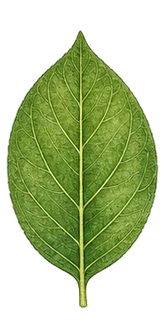
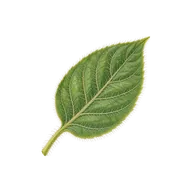
Typical of the family
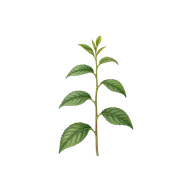
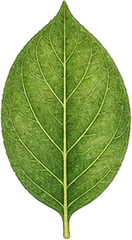
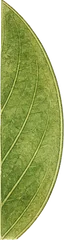

Characters marked “recorded” are for Inchplant itself; the rest are typical of the Commelinaceae family.
Flower & fruit characters
- Flower colour
- Purple/pinkrecorded
- Fruit type
- CapsulerecordedA dry fruit from a fused ovary that splits open at maturity to release seeds.“They form capsule fruits that contain gray-brown seeds.” — Wikipedia, CC BY-SA 4.0
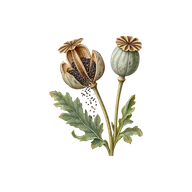
Typical of the family
- Inflorescence
- Cyme
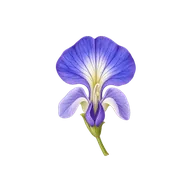
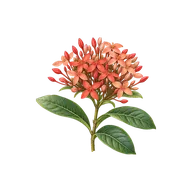
Characters marked “recorded” are for Inchplant itself; the rest are typical of the Commelinaceae family — flowering plants only.
About Inchplant
Inchplant (Tradescantia zebrina) belongs to the Commelinaceae family. In India it has been recorded in Kerala, Maharashtra, Goa and 18 other states.
Uses
In practice it is planted as an ornamental.
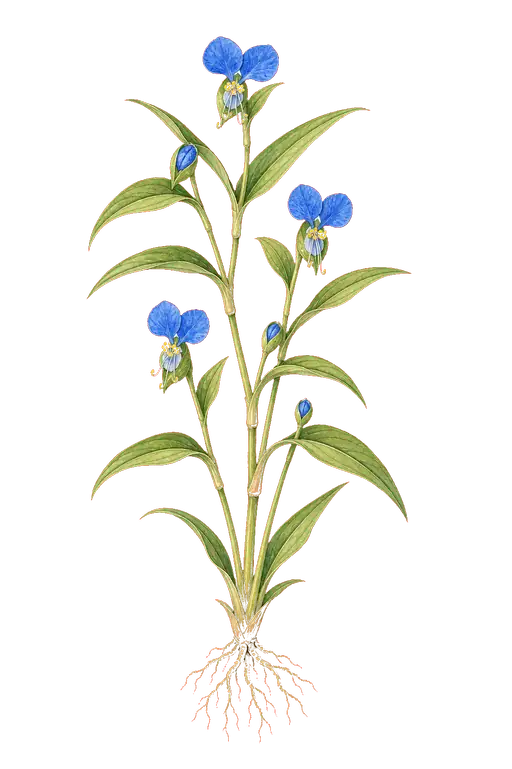
Commelinaceae
Spiderwort Family
Inchplant belongs to the Commelinaceae family.
The illustration represents the family — not necessarily this exact species.
Explore the Commelinaceae familySnap it. Know it.
Point your camera at Inchplant or any plant and SASYA identifies it instantly — on-device, offline, and private.
Common plant problems
If you are starting from symptoms instead of a diagnosis, use the plant disease symptom checker to narrow the cause before treating.
All plant problem & care guides