

As recorded for Kombe Tailflower
Ecology & growing context
- Native status · Kew WCVP
- WCVP native range does not include India Kew dataset ↗
Kew WCVP dataset; accepted-name match. Dataset matching is separate from an individual regional review. Recorded worldwide native range: Kenya to S. Africa. Not listed native does not establish introduction or absence from India.
- Recorded habitat
- Planted
- Explore nearby plants
- Browse plants by state →
Occurrence records show where a plant has been recorded; they do not establish that it is native there. Compare local habitat and growing conditions when choosing plants for a garden.
How to identify Kombe Tailflower
Identify Kombe Tailflower by combining habit, leaf characters, flower or fruit details, location, and its family pattern. Do not rely on one feature alone.
- Look for a shrub habit.
- Check the distinctive field mark: Petals drawn out into very long thread-like tails.
- Confirm leaf arrangement: Opposite.
- Confirm leaf type: Simple.
- Confirm flower colour: White.
- Confirm flower arrangement: Cyme.
- Confirm it sits within the Apocynaceae family pattern, then compare close relatives before deciding it is Kombe Tailflower.
Plant Details
- Scientific name
- Strophanthus kombe
- Genus
- Strophanthus
- Family
- Apocynaceae
- Habit
- Shrub
- Habitat
- Planted
- Habitat type
- Cultivated
Leaf characters
- Leaf arrangement
- OppositerecordedTwo leaves arise from the stem at the same point, facing each other.“The papery leaves are simple, and found in opposite arrangement.” — Wikipedia, CC BY-SA 4.0
- Leaf type
- SimplerecordedA single, undivided leaf blade.“The papery leaves are simple, and found in opposite arrangement.” — Wikipedia, CC BY-SA 4.0
- Leaf surface
- PubescentrecordedCovered in short, soft hairs.“The young leaves are exceptionally hairy on both sides, but as they age, the top of the leaves become smooth.” — Wikipedia, CC BY-SA 4.0
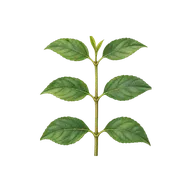


Typical of the family


Characters marked “recorded” are for Kombe Tailflower itself; the rest are typical of the Apocynaceae family.
Flower & fruit characters
- Flower colour
- Whiterecorded
- Flower arrangement
- CymerecordedA branched cluster where the central/terminal flower opens first.“The dichasial cyme inflorescence is on the terminal end of the plant.” — Wikipedia, CC BY-SA 4.0
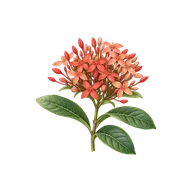
Typical of the family
- Inflorescence
- Cyme
- Fruit
- Follicle

Characters marked “recorded” are for Kombe Tailflower itself; the rest are typical of the Apocynaceae family — flowering plants only.
About Kombe Tailflower
Kombe Tailflower (Strophanthus kombe) is a shrub in the Apocynaceae family. It is planted.
Uses
Parts of this plant are reported as poisonous — treat it as unsafe to eat and wash your hands after handling.

Apocynaceae
Dogbane family
Kombe Tailflower belongs to the Apocynaceae family.
The illustration represents the family — not necessarily this exact species.
Explore the Apocynaceae familySnap it. Know it.
Point your camera at Kombe Tailflower or any plant and SASYA identifies it instantly — on-device, offline, and private.
Common plant problems
If you are starting from symptoms instead of a diagnosis, use the plant disease symptom checker to narrow the cause before treating.
All plant problem & care guides