
Bakshel / Indian Willow
Salix tetrasperma
- Habit
- Tree
- Found in India
- Maharashtra, Karnataka, Manipur & more
- Flowering
- July-March
How to identify Bakshel
Identify Bakshel by combining habit, leaf characters, flower or fruit details, location, and its family pattern. Do not rely on one feature alone.
- Look for a tree habit.
- Check the distinctive field mark: Riverside tree with narrow lance-shaped leaves.
- Confirm leaf shape: Ovate.
- Confirm leaf margin: Toothed.
- Confirm fruit type: Capsule.
- In season, compare flowering and fruiting time: July-March.
- In India, compare location records such as Maharashtra, Karnataka, Manipur, Tamil Nadu and nearby regions.
Plant Details
- Scientific name
- Salix tetrasperma
- Genus
- Salix
- Family
- Salicaceae
- Habit
- Tree
- Habitat
- Semi-Evergreen forests
- Habitat type
- Forest
- Distribution
- India, Afghanistan, Indo-China, Malesia, South China, Nepal
- Found in India
- Maharashtra, Karnataka, Manipur, Tamil Nadu, Meghalaya, Nagaland, Uttarakhand, Arunachal Pradesh, Chhattisgarh, Delhi, Himachal Pradesh, Jammu & Kashmir, Punjab, Rajasthan, West Bengal
- Flowering & fruiting
- July-March
- Conservation status
- Not Evaluated (NE)
Leaf characters
- Leaf shape
- OvaterecordedEgg-shaped, broader near the base.“The leaves are lance-like, or ovate-lancelike, 8–15 cm long, with minutely and regularly toothed margins.” — Wikipedia, CC BY-SA 4.0
- Leaf margin
- ToothedrecordedA saw-like or jagged edge (serrate or dentate).“The leaves are lance-like, or ovate-lancelike, 8–15 cm long, with minutely and regularly toothed margins.” — Wikipedia, CC BY-SA 4.0
- Leaf surface
- HirsuterecordedCovered in coarse, stiff, bristly hairs.“The bark is rough, with deep, vertical fissures and the young shoots leaves are silky.” — Wikipedia, CC BY-SA 4.0
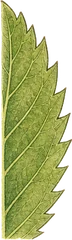
Typical of the family
- Arrangement
- Alternate
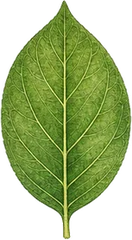
Characters marked “recorded” are for Bakshel itself; the rest are typical of the Salicaceae family.
Flower & fruit characters
- Fruit type
- CapsulerecordedA dry fruit from a fused ovary that splits open at maturity to release seeds.“The capsules are long, stipulate, in groups of 3 to 4.” — Wikipedia, CC BY-SA 4.0
Characters marked “recorded” are for Bakshel itself; the rest are typical of the Salicaceae family — flowering plants only.
Local Names
- Hindi
- बक्षेल Bakshel, बेद लैला Bed-Laila, बेधा Bedha
- Nepali
- बैंश Bainsh
- Bengali
- বিয়াস Biyasa, বৈশাখী Boishakhi, পানী জমা Pani Joma
- Tamil
- ஆற்றுப்பாலை Arru-P-Palai, சுவேதம் Cuvetam, நீர்வஞ்சி Nir-Vanci
- Kannada
- ಬೈಚೆ ಮರ Baiche Mara, ಹೊಳೆಬೋಸಿ Holebosi, ನೀರವಂಜಿ Neeravanji
- Malayalam
- വഞ്ചി Vanji, വഞ്ചി, Salix tetrasperma
- Marathi
- बाका Baaka, बच्चा Bachcha, बितसा Bitasa, वाळुंज
About Bakshel
Indian Willow (Salix tetrasperma) belongs to the Salicaceae family, where it grows as a tree. In India it has been recorded in Maharashtra, Karnataka, Manipur and 12 other states. It grows in semi-Evergreen forests. Flowering and fruiting run from July to March.
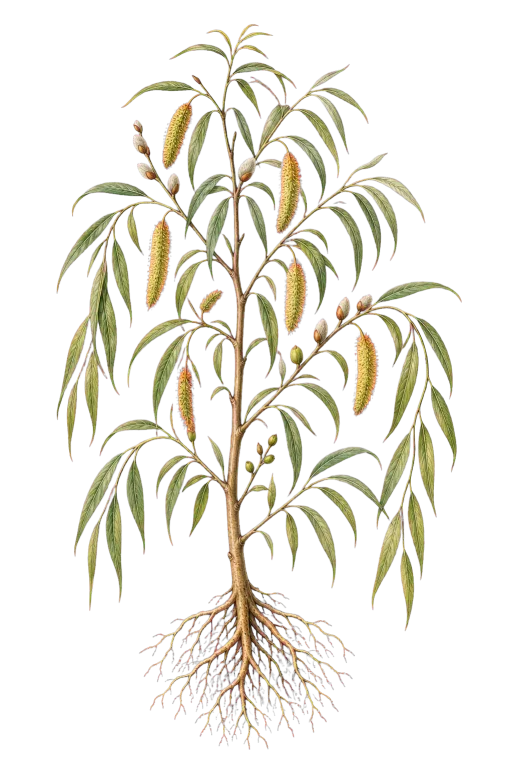
Salicaceae
Willow Family
Bakshel belongs to the Salicaceae family.
The illustration represents the family — not necessarily this exact species.
Explore the Salicaceae familySnap it. Know it.
Point your camera at Bakshel or any plant and SASYA identifies it instantly — on-device, offline, and private.
Common plant problems
If you are starting from symptoms instead of a diagnosis, use the plant disease symptom checker to narrow the cause before treating.
All plant problem & care guides