

Typical of the Apocynaceae family
Rauvolfia serpentina
Sarpagandha / Indian Snakeroot सर्पगंधा
Hindi name · See all regional names ↓
Also known as Rauvolfia Root, Serpentine Wood, Serpentine
- Habit
- Undershrub
- Found in India
- Kerala, Maharashtra, West Bengal & more
- Flowering
- April-November
Sarpagandha in regional languages
Find the name you know, then compare it with the botanical profile. Columns list recorded aliases; they are not paired translations. A Latin spelling appears only when it is present in the source record.
| Language | Regional script | Recorded Latin spelling |
|---|---|---|
| Hindi | सर्पगंधा · सर्पगन्धा | Sarpagandha, Sarapagandha, sarpagandha |
| Nepali | सर्पगन्धा · चाँदमरुवा | Not recorded |
| Bengali | সর্পগন্ধা | Not recorded |
| Tamil | சர்பகந்தி | Not recorded |
| Telugu | సర్పగంధ | Not recorded |
| Kannada | ಸೂತ್ರನಾಭಿ · ಶಿವನಾಭಿ · ಹಡಕಿ · ಸರ್ಪಗಂಧಾ | Sootranaabhi, Shivanaabhi, Hadaki |
| Malayalam | സർപ്പഗന്ധ · സർപ്പഗന്ധി · അമൽപ്പൊരി | Not recorded |
| Marathi | सर्पगंधा | Not recorded |
| Gujarati | સર્પગંધા | Not recorded |
| Odia | ପାତାଳ ଗରୁଡ଼ | Not recorded |
| Punjabi | ਸਰਪਗੰਧਾ | Not recorded |
| Assamese | সৰ্পগন্ধা | Not recorded |
See the original recorded names
- Hindi
- Sarpagandha सर्पगंधा, Sarapagandha,सर्पगन्धा sarpagandha
- Nepali
- सर्पगन्धा, चाँदमरुवा
- Bengali
- সর্পগন্ধা
- Tamil
- சர்பகந்தி
- Telugu
- సర్పగంధ
- Kannada
- ಸೂತ್ರನಾಭಿ Sootranaabhi, ಶಿವನಾಭಿ Shivanaabhi, ಹಡಕಿ Hadaki, ಸರ್ಪಗಂಧಾ
- Malayalam
- സർപ്പഗന്ധ, സർപ്പഗന്ധി, അമൽപ്പൊരി
- Marathi
- सर्पगंधा
- Gujarati
- સર્પગંધા
- Odia
- ପାତାଳ ଗରୁଡ଼
- Punjabi
- ਸਰਪਗੰਧਾ
- Assamese
- সৰ্পগন্ধা
Ecology & growing context
- Native status · Kew WCVP
- WCVP native range includes Andaman Is., Assam, India, Laccadive Is. Kew dataset ↗
Kew WCVP dataset; accepted-name match. Dataset matching is separate from an individual regional review. Recorded worldwide native range: Indian Subcontinent to SC. China and W. Malesia.
- Recorded habitat
- Moist deciduous forests, also in the plains
- Explore nearby plants
- Kerala →Maharashtra →West Bengal →
Occurrence records show where a plant has been recorded; they do not establish that it is native there. Compare local habitat and growing conditions when choosing plants for a garden.
How to identify Sarpagandha
Identify Sarpagandha by combining habit, leaf characters, flower or fruit details, location, and its family pattern. Do not rely on one feature alone.
- Look for a undershrub habit.
- Check the distinctive field mark: Medicinal roots (Indian snakeroot), red fruit.
- Confirm flower colour: White.
- In season, compare flowering and fruiting time: April-November.
- In India, compare location records such as Kerala, Maharashtra, West Bengal, Uttar Pradesh and nearby regions.
- Confirm it sits within the Apocynaceae family pattern, then compare close relatives before deciding it is Sarpagandha.
Plant Details
- Scientific name
- Rauvolfia serpentina
- Genus
- Rauvolfia
- Family
- Apocynaceae
- Habit
- Undershrub
- Habitat
- Moist deciduous forests, also in the plains
- Habitat type
- Forest
- Distribution
- Tropical Himalayas, India, Sri Lanka, Myanmar, Malaysia
- Found in India
- Kerala, Maharashtra, West Bengal, Uttar Pradesh, Goa, Uttarakhand, Chhattisgarh, Karnataka, Meghalaya, Madhya Pradesh, Rajasthan, Andhra Pradesh, Telangana, Assam, Tamil Nadu, Delhi, Gujarat, Arunachal Pradesh, Bihar, Himachal Pradesh, Jammu & Kashmir, Nagaland, Odisha, Sikkim
- Flowering & fruiting
- April-November
- Conservation status
- Not Evaluated (NE)
Leaf characters
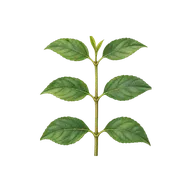



Typical of the Apocynaceae family — a field-mark hint, not measured for this exact species.
Flower & fruit characters
- Flower colour
- Whiterecorded
Typical of the family
- Inflorescence
- Cyme
- Fruit
- Follicle

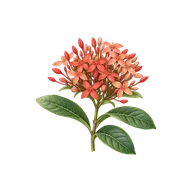
Characters marked “recorded” are for Sarpagandha itself; the rest are typical of the Apocynaceae family — flowering plants only.
Sarpagandha in India
This small shrub, known as Sarpagandha सर्पगंधा (Hindi), சர்பகந்தி (Tamil), సర్పగంధ (Telugu), ಸೂತ್ರನಾಭಿ Sootranaabhi (Kannada), സർപ്പഗന്ധ (Malayalam), सर्पगंधा (Marathi), is one of the best-known plants in Ayurvedic tradition. Rauvolfia serpentina is found across Kerala, Maharashtra, West Bengal, Uttar Pradesh, Uttarakhand, Goa, typically in the shade of moist forest.
Uses
Its root has a long history of traditional Ayurvedic use and was historically significant in early pharmacological research into its natural compounds — an attributed traditional use, not a medical claim; sarpagandha should never be self-administered without expert guidance.
How to Identify Sarpagandha
A small, shrubby perennial with whorls of three to four glossy, elliptic leaves around the stem. Clusters of small white to pinkish flowers with a slender tube appear at the branch tips, followed by small fruit that ripens from red to shiny black in pairs.
Frequently Asked Questions
- What is Indian Snakeroot called in different Indian languages?
- Sarpagandha सर्पगंधा (Hindi); சர்பகந்தி (Tamil); సర్పగంధ (Telugu); ಸೂತ್ರನಾಭಿ Sootranaabhi (Kannada); സർപ്പഗന്ധ (Malayalam); सर्पगंधा (Marathi); সর্পগন্ধা (Bengali); સર્પગંધા (Gujarati); ପାତାଳ ଗରୁଡ଼ (Odia); ਸਰਪਗੰਧਾ (Punjabi).
- Why is sarpagandha historically significant?
- Its root compounds were the subject of significant early pharmacological research, though any use today should only be under expert medical guidance, not self-administered.
- Where does the name 'sarpagandha' come from?
- It's Sanskrit for 'snake-scented' or 'snake root', referring either to its root's odour or its traditional folk association with snakebite remedies.

Apocynaceae
Dogbane family
Sarpagandha belongs to the Apocynaceae family.
The illustration represents the family — not necessarily this exact species.
Explore the Apocynaceae familySnap it. Know it.
Point your camera at Sarpagandha or any plant and SASYA identifies it instantly — on-device, offline, and private.
Common plant problems
If you are starting from symptoms instead of a diagnosis, use the plant disease symptom checker to narrow the cause before treating.
All plant problem & care guidesMore in Apocynaceae
View all ApocynaceaeSources: GBIF — Rauvolfia serpentina (India distribution & vernacular names) (CC BY 4.0) · Wikipedia — Rauvolfia serpentina (background/comprehension only) (CC BY-SA 4.0)