
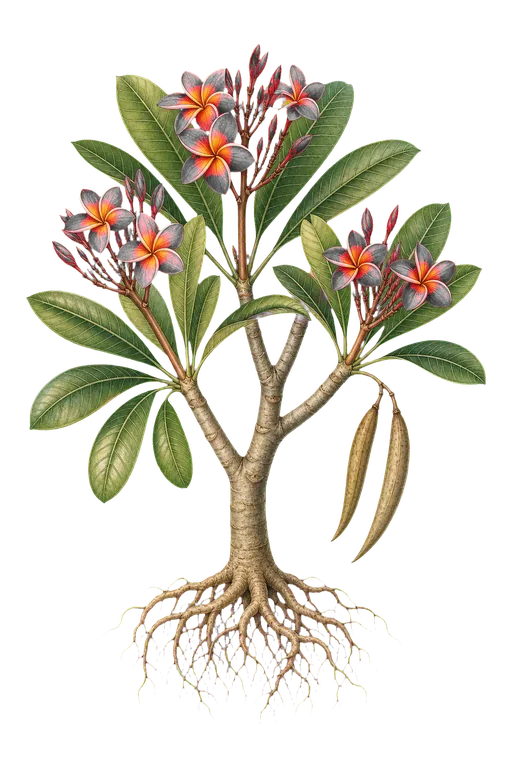
Lal Gulachin / Red Frangipini
Plumeria rubra
Also known as Temple Of Pagoda Tree, Frangipani
- Habit
- Tree
- Found in India
- Maharashtra, Gujarat, Kerala & more
- Flowering
- Throughout the year
How to identify Lal Gulachin
Identify Lal Gulachin by combining habit, leaf characters, flower or fruit details, location, and its family pattern. Do not rely on one feature alone.
- Look for a tree habit.
- Check the distinctive field mark: Fragrant pink-and-yellow frangipani flowers.
- Confirm flower colour: Pink.
- Use the leaf pattern: alternate leaf arrangement, simple leaves, entire leaf margins, pinnate venation.
- In season, compare flowering and fruiting time: Throughout the year.
- In India, compare location records such as Maharashtra, Gujarat, Kerala, Tamil Nadu and nearby regions.
- Confirm it sits within the Apocynaceae family pattern, then compare close relatives before deciding it is Lal Gulachin.
Plant Details
- Scientific name
- Plumeria rubra
- Genus
- Plumeria
- Family
- Apocynaceae
- Habit
- Tree
- Native to
- Tropical America
- Distribution
- Naturalized in tropics
- Found in India
- Maharashtra, Gujarat, Kerala, Tamil Nadu, Karnataka, Telangana, Andhra Pradesh, Uttar Pradesh, West Bengal, Goa, Chhattisgarh, Rajasthan, Assam, Odisha, Madhya Pradesh, Puducherry, Delhi, Arunachal Pradesh, Bihar, Jammu & Kashmir, Meghalaya, Punjab, Tripura, Uttarakhand
- Flowering & fruiting
- Throughout the year
- Conservation status
- Not Evaluated (NE)
Leaf characters
- Arrangement
- Alternate
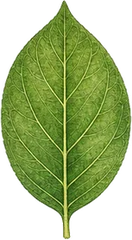


Characters marked “recorded” are for Lal Gulachin itself; the rest are typical of the Apocynaceae family.
Flower & fruit characters
- Flower colour
- Pinkrecorded
Typical of the family
- Flower symmetry
- Actinomorphic (radially symmetrical)
- Inflorescence
- Cyme
- Fruit
- Follicle
Characters marked “recorded” are for Lal Gulachin itself; the rest are typical of the Apocynaceae family — flowering plants only.
Local Names
- Hindi
- लाल गुलाचिन Lal gulachin
- Nepali
- चोया फूल Choya Phool, गलैँची Galainchee
- Bengali
- Kathgolop, লাল কাঠগোলাপ
- Tamil
- ஈழத்தலரி
- Malayalam
- ഈഴച്ചെമ്പകം
- Marathi
- चाफ़ा Chafa, चाफा
Lal Gulachin in India
The temple tree or champa is a small ornamental tree loved for its fragrant flowers — लाल गुलाचिन Lal gulachin (Hindi), ஈழத்தலரி (Tamil), ഈഴച്ചെമ്പകം (Malayalam), चाफ़ा Chafa (Marathi), Kathgolop (Bengali). Plumeria rubra, from tropical America, is planted across Maharashtra, Tamil Nadu, Gujarat, Kerala, Karnataka, Telangana, very often in temple courtyards and gardens.
Uses
It is grown almost entirely for its sweetly scented flowers, which are used in worship, strung into garlands and floated in water bowls. The tree is easy to propagate from a cut branch. Its milky sap is mildly irritant, so the plant is ornamental rather than edible.
How to Identify Lal Gulachin
A small, sparsely branched tree with thick, blunt, fleshy branches that ooze milky sap when cut, and large leathery leaves clustered at the branch tips. The five-petalled flowers are waxy and fragrant, typically with a yellow centre shading to white, pink or red.
Frequently Asked Questions
- What is Red Frangipini called in different Indian languages?
- लाल गुलाचिन Lal gulachin (Hindi); ஈழத்தலரி (Tamil); ഈഴച്ചെമ്പകം (Malayalam); चाफ़ा Chafa (Marathi); Kathgolop (Bengali).
- Why is frangipani called the temple tree?
- Plumeria is very commonly planted in and around temples in India, and its fragrant flowers are used in worship and garlands, which is how it earned the name.
- How do you grow frangipani?
- It propagates very easily from a hardwood cutting left to dry briefly and then planted; it needs sun, warmth and free-draining soil.
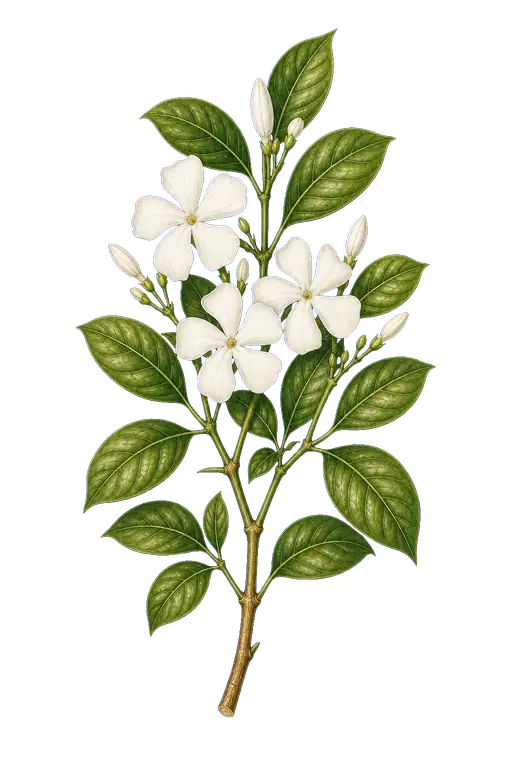
Apocynaceae
Dogbane family
Lal Gulachin belongs to the Apocynaceae family.
The illustration represents the family — not necessarily this exact species.
Explore the Apocynaceae familySnap it. Know it.
Point your camera at Lal Gulachin or any plant and SASYA identifies it instantly — on-device, offline, and private.
Common plant problems
If you are starting from symptoms instead of a diagnosis, use the plant disease symptom checker to narrow the cause before treating.
All plant problem & care guidesMore in Apocynaceae
View all ApocynaceaeSources: GBIF — Plumeria rubra (India distribution & vernacular names) (CC BY 4.0) · iNaturalist — Plumeria rubra (regional names, India observations) (CC BY 4.0) · Wikipedia — Plumeria rubra (background/comprehension only) (CC BY-SA 4.0)