
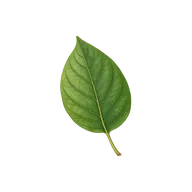
As recorded for Indian Persea
Persea macrantha
Indian Persea കുളമാവ്
Malayalam name · See all regional names ↓
- Habit
- Tree
- Found in India
- Tamil Nadu, Karnataka, Maharashtra
- Flowering
- December-June
Indian Persea in regional languages
Find the name you know, then compare it with the botanical profile. Columns list recorded aliases; they are not paired translations. A Latin spelling appears only when it is present in the source record.
| Language | Regional script | Recorded Latin spelling |
|---|---|---|
| Kannada | ಗುಳುಮಾವು | Not recorded |
| Malayalam | കുളമാവ് · ഊറാവ് | Persea macrantha |
See the original recorded names
- Kannada
- ಗುಳುಮಾವು
- Malayalam
- കുളമാവ്, ഊറാവ്, Persea macrantha
Ecology & growing context
- Native status · Kew WCVP
- WCVP native range includes Assam, India Kew dataset ↗︎
Kew WCVP dataset; listed synonym of Machilus macranthus. Dataset matching is separate from an individual regional review. Recorded worldwide native range: Indian Subcontinent to China (W. Yunnan) and Myanmar.
- Recorded habitat
- Evergreen, semi-evergreen and moist deciduous forests near ravines and also in sholas and sacred groves
- Explore nearby plants
- Tamil Nadu →Karnataka →Maharashtra →
Occurrence records show where a plant has been recorded; they do not establish that it is native there. Compare local habitat and growing conditions when choosing plants for a garden.
How to identify Indian Persea
Identify Indian Persea by combining habit, leaf characters, flower or fruit details, location, and its family pattern. Do not rely on one feature alone.
- Look for a tree habit.
- Check the distinctive field mark: Notably large flowers (macrantha).
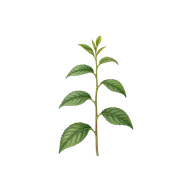
- Confirm leaf arrangement: Alternate.
- Confirm leaf type: Simple.
- Confirm flower arrangement: Panicle.
- Confirm fruit type: Berry.
- In season, compare flowering and fruiting time: December-June.
Plant Details
- Scientific name
- Persea macrantha
- Genus
- Persea
- Family
- Lauraceae
- Habit
- Tree
- Habitat
- Evergreen, semi-evergreen and moist deciduous forests near ravines and also in sholas and sacred groves
- Habitat type
- Forest
- Native to
- India, Sri Lanka
- Distribution
- India, Sri Lanka
- Found in India
- Tamil Nadu, Karnataka, Maharashtra
- Flowering & fruiting
- December-June
- Conservation status
- Not Evaluated (NE)
Leaf characters
- Leaf arrangement
- AlternaterecordedOne leaf per node, arranged in a spiral or zigzag up the stem.“Leaves are simple, alternate, spiral;” — Wikipedia, CC BY-SA 4.0
- Leaf type
- SimplerecordedA single, undivided leaf blade.“Leaves are simple, alternate, spiral;” — Wikipedia, CC BY-SA 4.0
- Leaf shape
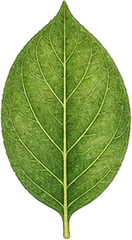
- ObovaterecordedEgg-shaped but broader near the tip rather than the base.“lamina obovate or elliptic to elliptic-oblong;” — Wikipedia, CC BY-SA 4.0
- Leaf surface
- Glabrous (smooth, hairless)recorded
Typical of the family
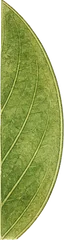
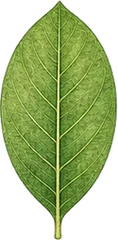
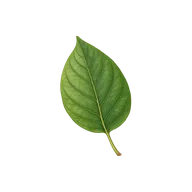
Characters marked “recorded” are for Indian Persea itself; the rest are typical of the Lauraceae family.
Flower & fruit characters
- Flower arrangement
- PaniclerecordedA branching cluster of clusters.“Flowers show terminal panicle inflorescence.” — Wikipedia, CC BY-SA 4.0
- Fruit type
- BerryrecordedA fleshy fruit with seeds embedded directly in the pulp, no central stone.“Fruit is a berry which becomes blackish on ripening.” — Wikipedia, CC BY-SA 4.0
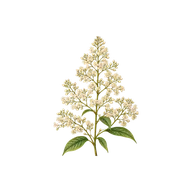
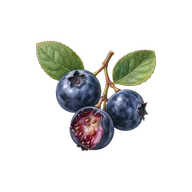
Typical of the family
- Inflorescence
- Panicle
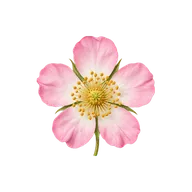
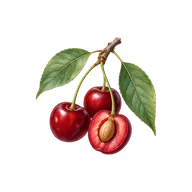
Characters marked “recorded” are for Indian Persea itself; the rest are typical of the Lauraceae family — flowering plants only.
About Indian Persea
A member of the Lauraceae family, Indian Persea (Persea macrantha) is a tree. In India it has been recorded in Tamil Nadu, Karnataka and Maharashtra. It grows in evergreen, semi-evergreen and moist deciduous forests near ravines and also in sholas and sacred groves. Flowering and fruiting run from December to June.
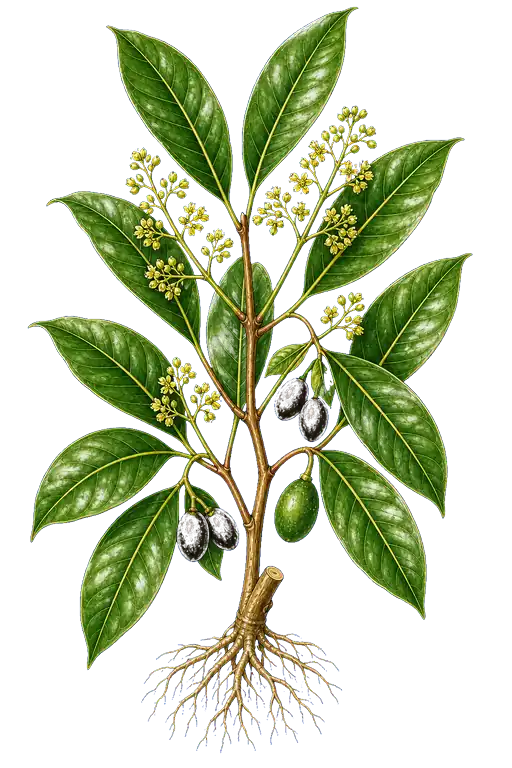
Lauraceae
Laurel/Cinnamon family
Indian Persea belongs to the Lauraceae family.
The illustration represents the family — not necessarily this exact species.
Explore the Lauraceae familySnap it. Know it.
Point your camera at Indian Persea or any plant and SASYA identifies it instantly — on-device, offline, and private.
Common plant problems
If you are starting from symptoms instead of a diagnosis, use the plant disease symptom checker to narrow the cause before treating.
All plant problem & care guides