

Kaner / Oleander Tree
Nerium oleander
Also known as Indian Oleander, Sweet Scented Oleander, Rose Bay
- Habit
- Tree
- Found in India
- Tamil Nadu, Maharashtra, Telangana & more
- Flowering
- Throughout the year
How to identify Kaner
Identify Kaner by combining habit, leaf characters, flower or fruit details, location, and its family pattern. Do not rely on one feature alone.
- Look for a tree habit.
- Check the distinctive field mark: Narrow leaves in whorls of three, highly poisonous, common ornamental (oleander).
- Confirm leaf arrangement: Whorled.
- Confirm leaf shape: Lanceolate.
- Confirm flower colour: Pink.
- Confirm fruit type: Follicle.
- Use the leaf pattern: whorled leaf arrangement, simple leaves, entire leaf margins, pinnate venation.
Plant Details
- Scientific name
- Nerium oleander
- Genus
- Nerium
- Family
- Apocynaceae
- Habit
- Tree
- Native to
- Mediterranean
- Distribution
- World over
- Found in India
- Tamil Nadu, Maharashtra, Telangana, Karnataka, Gujarat, Andhra Pradesh, Rajasthan, Kerala, West Bengal, Delhi, Uttar Pradesh, Madhya Pradesh, Uttarakhand, Haryana, Assam, Chhattisgarh, Himachal Pradesh, Jammu & Kashmir, Bihar, Odisha, Punjab, Goa, Puducherry, Jharkhand, Chandigarh, Mizoram, Arunachal Pradesh, Dadra & Nagar Haveli, Meghalaya, Tripura
- Flowering & fruiting
- Throughout the year
- Conservation status
- Least Concern (LC)
Leaf characters
- Leaf arrangement
- WhorledrecordedThree or more leaves arise from the same point around the stem.“The leaves are in pairs or whorls of three, thick and leathery, dark-green, narrow lanceolate, 5–21 centimetres (2–8 inches) long and 1–3.5 cm (3⁄8–1+3⁄8 in) broad, and with an ent” — Wikipedia, CC BY-SA 4.0
- Leaf shape
- LanceolaterecordedLong and narrow, tapering to a point, like a lance head.“The leaves are in pairs or whorls of three, thick and leathery, dark-green, narrow lanceolate, 5–21 centimetres (2–8 inches) long and 1–3.5 cm (3⁄8–1+3⁄8 in) broad, and with an ent” — Wikipedia, CC BY-SA 4.0
- Leaf margin
- EntirerecordedA smooth, unbroken edge with no teeth or notches.“The leaves are in pairs or whorls of three, thick and leathery, dark-green, narrow lanceolate, 5–21 centimetres (2–8 inches) long and 1–3.5 cm (3⁄8–1+3⁄8 in) broad, and with an ent” — Wikipedia, CC BY-SA 4.0

Typical of the family
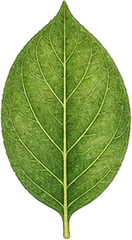

Characters marked “recorded” are for Kaner itself; the rest are typical of the Apocynaceae family.
Flower & fruit characters
- Flower colour
- Pinkrecorded
- Fruit type
- FolliclerecordedA dry pod that splits open along a single seam.“The fruit is a long narrow pair of follicles 5–23 cm (2–9 in) long, which splits open at maturity to release numerous downy seeds.” — Wikipedia, CC BY-SA 4.0
Typical of the family
- Flower symmetry
- Actinomorphic (radially symmetrical)
- Inflorescence
- Cyme
- Fruit
- Follicle
Characters marked “recorded” are for Kaner itself; the rest are typical of the Apocynaceae family — flowering plants only.
Local Names
- Hindi
- Kaner कनेर,कनेर kaner
- Nepali
- श्वेत करबीर
- Bengali
- Raktakarabi, করবী
- Tamil
- அலரி Alari, அரளி
- Telugu
- గన్నేరు, కరవీరపత్రం, నీరియమ్
- Kannada
- ಗಣಗಲೆ ಹೂ
- Malayalam
- അരളി, Arali, രക്തകരവി
- Marathi
- कण्हेर Kanher, कण्हेर, कन्हेर
- Gujarati
- કરેણ
- Sinhala
- කනේරු
Kaner in India
Kaner is a familiar hedge and temple-garden shrub with showy flowers — Kaner कनेर (Hindi), அலரி Alari (Tamil), గన్నేరు (Telugu), ಗಣಗಲೆ ಹೂ (Kannada), അരളി (Malayalam), कण्हेर Kanher (Marathi). Nerium oleander is planted across Tamil Nadu, Maharashtra, Telangana, Andhra Pradesh, Gujarat, Karnataka on road medians and in gardens because it flowers freely and survives heat and drought.
Uses
The flowers are used as temple offerings in parts of India. Beyond that its uses are limited by a crucial fact: every part is highly poisonous. It is valued as an ornamental and a tough hedge, but should never be eaten and is best kept away from small children and livestock.
How to Identify Kaner
An evergreen shrub with long, narrow, leathery leaves arranged in threes, and clusters of five-petalled flowers in pink, white or red, sometimes double and lightly scented. Broken stems exude a clear-to-milky sap; slender paired pods release tufted seeds.
Frequently Asked Questions
- What is Oleander Tree called in different Indian languages?
- Kaner कनेर (Hindi); அலரி Alari (Tamil); గన్నేరు (Telugu); ಗಣಗಲೆ ಹೂ (Kannada); അരളി (Malayalam); कण्हेर Kanher (Marathi); Raktakarabi (Bengali); કરેણ (Gujarati).
- Is oleander (kaner) poisonous?
- Yes — Nerium oleander is highly toxic in all its parts if ingested, so although it is widely grown for its flowers, it must be handled with care and never eaten.
- Why is oleander planted on road dividers?
- It is extremely tough — tolerating heat, drought, dust and pollution — and flowers for much of the year, which makes it a popular low-maintenance median and hedge plant.
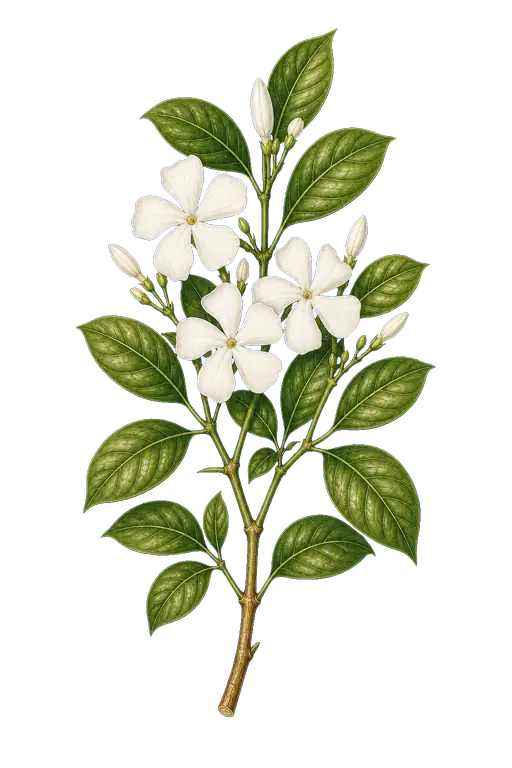
Apocynaceae
Dogbane family
Kaner belongs to the Apocynaceae family.
The illustration represents the family — not necessarily this exact species.
Explore the Apocynaceae familySnap it. Know it.
Point your camera at Kaner or any plant and SASYA identifies it instantly — on-device, offline, and private.
Common plant problems
If you are starting from symptoms instead of a diagnosis, use the plant disease symptom checker to narrow the cause before treating.
All plant problem & care guidesMore in Apocynaceae
View all ApocynaceaeSources: GBIF — Nerium oleander (India distribution & vernacular names) (CC BY 4.0) · iNaturalist — Nerium oleander (regional names, India observations) (CC BY 4.0) · Wikipedia — Nerium oleander (background/comprehension only) (CC BY-SA 4.0)