
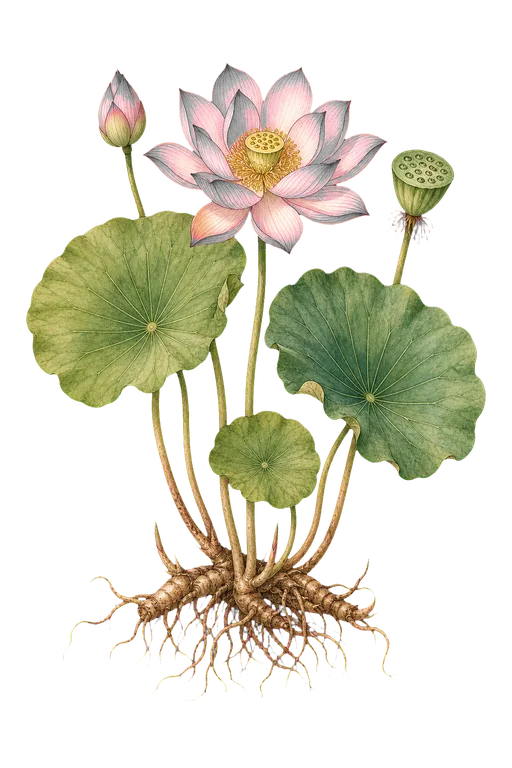
Kamal / Sacred Lotus
Nelumbo nucifera
Also known as Indian Lotus
- Habit
- Herb
- Found in India
- Tamil Nadu, Kerala, West Bengal & more
- Flowering
- Throughout the year
How to identify Kamal
Identify Kamal by combining habit, leaf characters, flower or fruit details, location, and its family pattern. Do not rely on one feature alone.
- Look for a herb habit.
- Use the leaf pattern: basal leaf arrangement, simple leaves, entire leaf margins, palmate venation.
- In season, compare flowering and fruiting time: Throughout the year.
- In India, compare location records such as Tamil Nadu, Kerala, West Bengal, Karnataka and nearby regions.
- Confirm it sits within the Nelumbonaceae family pattern, then compare close relatives before deciding it is Kamal.
Plant Details
- Scientific name
- Nelumbo nucifera
- Genus
- Nelumbo
- Family
- Nelumbonaceae
- Habit
- Herb
- Habitat
- Fresh water ponds and lakes
- Habitat type
- Wetland
- Distribution
- South and East Asia to Eastern Russia and North Australia
- Found in India
- Tamil Nadu, Kerala, West Bengal, Karnataka, Maharashtra, Telangana, Andhra Pradesh, Chhattisgarh, Madhya Pradesh, Jammu & Kashmir, Gujarat, Odisha, Rajasthan, Uttar Pradesh, Assam, Delhi, Bihar, Uttarakhand, Haryana, Puducherry, Chandigarh, Jharkhand, Manipur, Himachal Pradesh
- Flowering & fruiting
- Throughout the year
- Conservation status
- Least Concern (LC)
Leaf characters
- Arrangement
- Basal
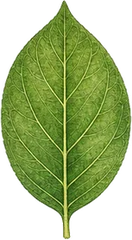
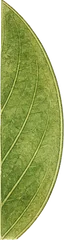
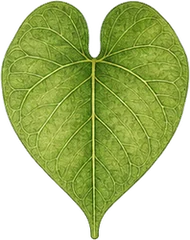
Characters marked “recorded” are for Kamal itself; the rest are typical of the Nelumbonaceae family.
Local Names
- Hindi
- कमल Kamal, Pundarika, पद्म Padma, padma
- Nepali
- कमल
- Bengali
- কমল Komol, পদ্মা Padma, পদ্ম
- Tamil
- செந்தாமரை chenthaamarai, Tamarai, அம்பல் Ambal, தாமரை
- Telugu
- Tamara, Erra-tamara, తామర పువ్వు
- Kannada
- ತಾವರೆ Taavare Tavare-gadde, ಕಮಲ Kamala Kamalada Hoovu, ಆಬಲ್, ಕಮಲ
- Malayalam
- Tamara, താമര
- Marathi
- Pandkanda, कमळ Kamal, कमळ
- Sanskrit
- कमलम्, पद्म
- Gujarati
- કમળ
- Odia
- ପଦ୍ମ ଫୁଲ
- Punjabi
- ਕਮਲ
- Assamese
- পদুম
- Urdu
- کنول
- Sinhala
- නෙළුම්
Kamal in India
The lotus is India's national flower and a deep cultural symbol — कमल Kamal (Hindi), செந்தாமரை chenthaamarai (Tamil), Tamara (Telugu), ತಾವರೆ Taavare Tavare-gadde (Kannada), Tamara (Malayalam), Pandkanda (Marathi). Nelumbo nucifera grows in ponds, tanks and slow wetlands and is recorded across Tamil Nadu, Kerala, West Bengal, Karnataka, Maharashtra, Telangana, rising clear of the water on long stalks.
Uses
The flower is sacred across Hindu and Buddhist traditions and a fixture of religious art. It is also food: the crunchy rhizome (kamal kakdi / bhein) is cooked as a vegetable, and the seeds (makhana's relative) are eaten. Such culinary and ritual uses are well established.
How to Identify Kamal
A water plant with large, round, blue-green leaves that hold water in silvery beads and rise above the surface, unlike water-lily leaves that float flat. The pink or white flowers are followed by the distinctive flat-topped seed pod shaped like a watering-can rose.
Frequently Asked Questions
- What is Sacred Lotus called in different Indian languages?
- कमल Kamal (Hindi); செந்தாமரை chenthaamarai (Tamil); Tamara (Telugu); ತಾವರೆ Taavare Tavare-gadde (Kannada); Tamara (Malayalam); Pandkanda (Marathi); কমল Komol (Bengali); કમળ (Gujarati); ପଦ୍ମ ଫୁଲ (Odia); ਕਮਲ (Punjabi); कमलम् (Sanskrit).
- What is the difference between a lotus and a water lily?
- Lotus (Nelumbo) leaves and flowers stand above the water and it has a conical seed pod; water lilies (Nymphaea) float on the surface and lack that pod.
- Is the lotus India's national flower?
- Yes — the lotus (Nelumbo nucifera) is the national flower of India and holds sacred status in several Indian traditions.
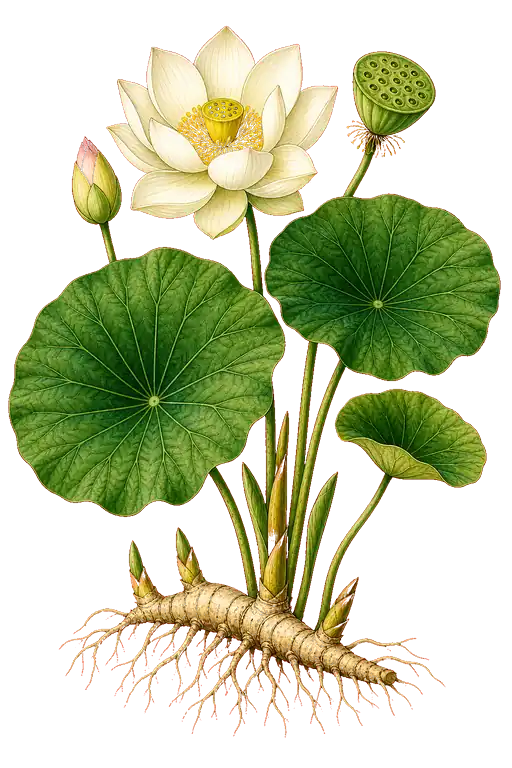
Nelumbonaceae
Lotus Family
Kamal belongs to the Nelumbonaceae family.
The illustration represents the family — not necessarily this exact species.
Explore the Nelumbonaceae familySnap it. Know it.
Point your camera at Kamal or any plant and SASYA identifies it instantly — on-device, offline, and private.
Common plant problems
If you are starting from symptoms instead of a diagnosis, use the plant disease symptom checker to narrow the cause before treating.
All plant problem & care guidesSources: GBIF — Nelumbo nucifera (India distribution & vernacular names) (CC BY 4.0) · iNaturalist — Nelumbo nucifera (regional names, India observations) (CC BY 4.0) · Wikipedia — Nelumbo nucifera (background/comprehension only) (CC BY-SA 4.0)