
Champa / Champak Tree
Magnolia champaca
Also known as Champak, Golden Champa, Yellow Champa
- Habit
- Tree
- Found in India
- Karnataka, Maharashtra, Tamil Nadu & more
- Flowering
- March-July
How to identify Champa
Identify Champa by combining habit, leaf characters, flower or fruit details, location, and its family pattern. Do not rely on one feature alone.
- Look for a tree habit.
- Check the distinctive field mark: Intensely fragrant golden-yellow flowers (champak).
- Confirm flower colour: Yellow.
- Confirm flower arrangement: Umbel.
- In season, compare flowering and fruiting time: March-July.
- In India, compare location records such as Karnataka, Maharashtra, Tamil Nadu, West Bengal and nearby regions.
- Confirm it sits within the Magnoliaceae family pattern, then compare close relatives before deciding it is Champa.
Plant Details
- Scientific name
- Magnolia champaca
- Genus
- Magnolia
- Family
- Magnoliaceae
- Habit
- Tree
- Habitat
- Evergreen forests
- Habitat type
- Forest
- Distribution
- India, Bangladesh, Bhutan, Myanmar, Nepal, South-west China to Malaysia, Thailand
- Found in India
- Karnataka, Maharashtra, Tamil Nadu, West Bengal, Telangana, Assam, Kerala, Meghalaya, Andhra Pradesh, Mizoram, Arunachal Pradesh, Gujarat, Himachal Pradesh, Jharkhand, Madhya Pradesh, Odisha, Rajasthan, Sikkim, Tripura, Uttarakhand
- Flowering & fruiting
- March-July
- Conservation status
- Not Evaluated (NE)
Leaf characters
- Arrangement
- Alternate
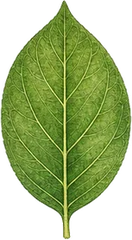
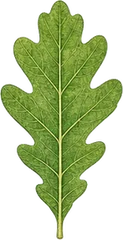
Typical of the Magnoliaceae family — a field-mark hint, not measured for this exact species.
Flower & fruit characters
- Flower colour
- Yellowrecorded
- Flower arrangement
- UmbelrecordedFlower stalks all radiate from a single point, like umbrella ribs.“The tree has a narrow umbelliform crown.” — Wikipedia, CC BY-SA 4.0
Typical of the family
- Fruit
- Follicle
Characters marked “recorded” are for Champa itself; the rest are typical of the Magnoliaceae family — flowering plants only.
Local Names
- Hindi
- चम्पा Champa, सोन चम्पा Son champa,चम्पक champak
- Nepali
- औले चाँप Aule Chaanp, चम्पा Champaa, चाँप Chaanp
- Bengali
- চম্পা Champa, স্বর্ণচাঁপা, চম্পা
- Tamil
- Sambagan, சண்பகம்
- Telugu
- Champangi
- Kannada
- ಸಂಪಿಗೆ Sampige, ಇರುಡಿ Irudi, ಸಂಪಿಗೆ
- Malayalam
- ചമ്പകം
- Marathi
- पिवळु चम्पा Pivalu Champa, सोन चाफा Son-chafa, चाफा
Champa in India
This fragrant tree, known as चम्पा Champa (Hindi), Sambagan (Tamil), Champangi (Telugu), ಸಂಪಿಗೆ Sampige (Kannada), ചമ്പകം (Malayalam), पिवळु चम्पा Pivalu Champa (Marathi), is grown widely for its intensely scented flowers. Magnolia champaca is found across Karnataka, Maharashtra, Tamil Nadu, West Bengal, Telangana, Assam, both wild and planted in gardens and temple grounds.
Uses
Its narrow, cream to golden-orange flowers are prized for their strong, sweet fragrance, used in garlands, hair adornment and traditional perfumery.
How to Identify Champa
A tall tree with glossy, elliptic leaves. Flowers have numerous narrow, twisted petals in cream to deep golden-orange, with an intense, sweet fragrance, followed by a knobbly cluster of small fruit that splits to reveal orange-coated seeds.
Frequently Asked Questions
- What is Champak Tree called in different Indian languages?
- चम्पा Champa (Hindi); Sambagan (Tamil); Champangi (Telugu); ಸಂಪಿಗೆ Sampige (Kannada); ചമ്പകം (Malayalam); पिवळु चम्पा Pivalu Champa (Marathi); চম্পা Champa (Bengali).
- Is champa the same as champak?
- Yes — champa and champak are both common names for Magnolia champaca, used somewhat interchangeably across regions.
- Why is it prized for perfume?
- Its flowers produce an intense, sweet, long-lasting fragrance, long used in traditional perfumery, garlands and hair oils across South and Southeast Asia.
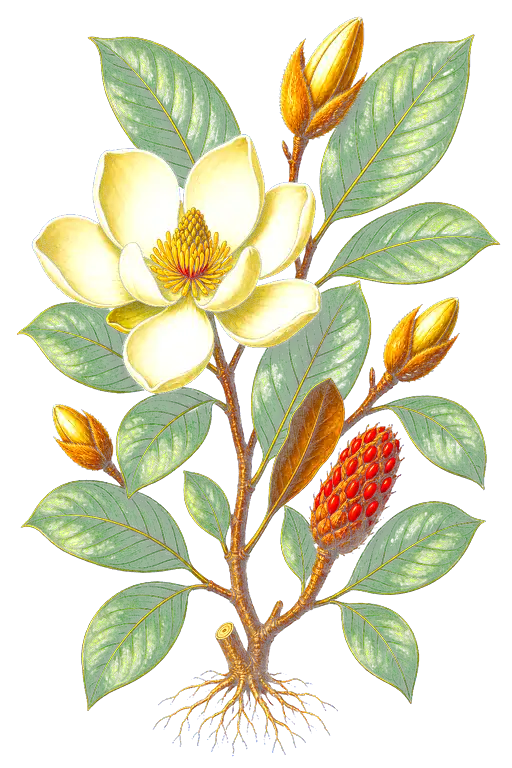
Magnoliaceae
Magnolia family
Champa belongs to the Magnoliaceae family.
The illustration represents the family — not necessarily this exact species.
Explore the Magnoliaceae familySnap it. Know it.
Point your camera at Champa or any plant and SASYA identifies it instantly — on-device, offline, and private.
Common plant problems
If you are starting from symptoms instead of a diagnosis, use the plant disease symptom checker to narrow the cause before treating.
All plant problem & care guidesMore in Magnoliaceae
View all MagnoliaceaeSources: GBIF — Magnolia champaca (India distribution & vernacular names) (CC BY 4.0) · Wikipedia — Magnolia champaca (background/comprehension only) (CC BY-SA 4.0)