
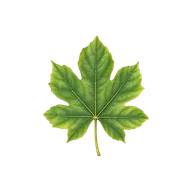
Typical of the Convolvulaceae family
Ipomoea cairica
Neeli Bel / Railway Creeper नीली बेल
Hindi name · See all regional names ↓
Also known as Caito Morning Glory, Railroad-Creeper, Mile-A-Minute
- Habit
- Liana
- Found in India
- Kerala, Karnataka, Maharashtra & more
- Flowering
- Throughout the year
Neeli Bel in regional languages
Find the name you know, then compare it with the botanical profile. Columns list recorded aliases; they are not paired translations. A Latin spelling appears only when it is present in the source record.
| Language | Regional script | Recorded Latin spelling |
|---|---|---|
| Hindi | नीली बेल | Neeli Bel |
| Malayalam | ഉദയമലരി | Not recorded |
| Marathi | गारवेल · भोवरा | Garvel, Bhovara |
See the original recorded names
- Hindi
- नीली बेल Neeli Bel
- Malayalam
- ഉദയമലരി
- Marathi
- गारवेल Garvel, भोवरा Bhovara
Ecology & growing context
- Native status · Kew WCVP
- WCVP native range includes India, West Himalaya Kew dataset ↗︎
Kew WCVP dataset; accepted-name match. Dataset matching is separate from an individual regional review. Recorded worldwide native range: Trop. & S. Africa, W. Indian Ocean, Israel to Arabian Pen., India to Taiwan.
- Recorded habitat
- Dry and moist deciduous forests, also in the plains
- Explore nearby plants
- Kerala →Karnataka →Maharashtra →
Occurrence records show where a plant has been recorded; they do not establish that it is native there. Compare local habitat and growing conditions when choosing plants for a garden.
How to identify Neeli Bel
Identify Neeli Bel by combining habit, leaf characters, flower or fruit details, location, and its family pattern. Do not rely on one feature alone.
- Look for a liana habit.
- Check the distinctive field mark: Deeply palmate leaves (railway creeper).
- Confirm leaf shape: Ovate.
- Confirm leaf surface: Glabrous.
- Confirm flower colour: Pink.
- Confirm flower arrangement: Cyme.
- In season, compare flowering and fruiting time: Throughout the year.
Plant Details
- Scientific name
- Ipomoea cairica
- Genus
- Ipomoea
- Family
- Convolvulaceae
- Habit
- Liana
- Habitat
- Dry and moist deciduous forests, also in the plains
- Habitat type
- Forest
- Native to
- Mediterranean
- Distribution
- Old & New World
- Found in India
- Kerala, Karnataka, Maharashtra, Rajasthan, Mizoram, Telangana, Uttarakhand, Gujarat, Tamil Nadu, Madhya Pradesh, West Bengal, Goa, Uttar Pradesh, Assam, Jammu & Kashmir, Haryana, Himachal Pradesh, Jharkhand, Manipur, Puducherry, Punjab, Andhra Pradesh, Arunachal Pradesh, Bihar, Chandigarh, Delhi, Nagaland, Tripura
- Flowering & fruiting
- Throughout the year
- Conservation status
- Not Evaluated (NE)
Leaf characters
- Leaf shape
- OvaterecordedEgg-shaped, broader near the base.“The leaf blade is ovate to circular in outline, 3 to 10 cm long and 6 to 9 cm wide.” — Wikipedia, CC BY-SA 4.0
- Leaf surface
- GlabrousrecordedSmooth, hairless.“A hairless, slim climber with bulbous roots and lignescented base, its leaves are stalked with 2 to 6 cm long petioles.” — Wikipedia, CC BY-SA 4.0
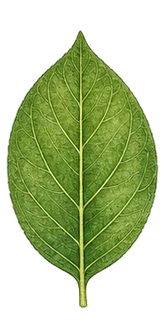
Typical of the family
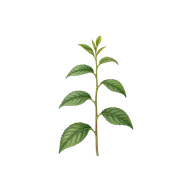
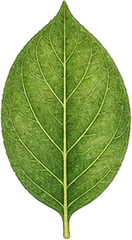
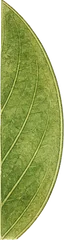

Characters marked “recorded” are for Neeli Bel itself; the rest are typical of the Convolvulaceae family.
Flower & fruit characters
- Flower colour
- Pinkrecorded
- Flower arrangement
- CymerecordedA branched cluster where the central/terminal flower opens first.“The lavender-coloured inflorescences are one to a cyme.” — Wikipedia, CC BY-SA 4.0
- Fruit type
- CapsulerecordedA dry fruit from a fused ovary that splits open at maturity to release seeds.“The fruits are spherical capsules approximately 1 cm in diameter containing one or two hairy seeds.” — Wikipedia, CC BY-SA 4.0
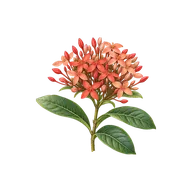
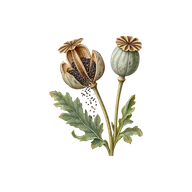
Typical of the family
- Inflorescence
- Cyme
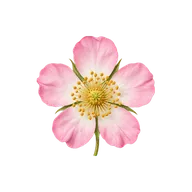
Characters marked “recorded” are for Neeli Bel itself; the rest are typical of the Convolvulaceae family — flowering plants only.
Neeli Bel in India
Railway creeper is one of the commonest morning-glory vines seen scrambling over fences, hedges, vacant plots and railway edges in India. SASYA records place it across Kerala, Karnataka, Maharashtra, Rajasthan, Mizoram, Telangana, Uttarakhand, Gujarat, Tamil Nadu and many other states. In Indian names it appears as नीली बेल Neeli bel in Hindi, ഉദയമലരി in Malayalam, and गारवेल Garvel / भोवरा Bhovara in Marathi.
Uses
It is mostly noticed as a fast-growing ornamental or escaped vine. Because it can run over shrubs and small trees, it is often treated as a weedy climber outside gardens.
How to Identify Neeli Bel
Identify railway creeper by its trailing or climbing habit, smooth green stems, alternate leaves that are deeply divided into narrow lobes, and funnel-shaped lavender to purple morning-glory flowers. The flowers are smaller and more purple than moonflower, and the leaf is usually much more deeply cut. If a vine flowers through much of the year along a fence or roadside and has palmate, cut leaves, Ipomoea cairica is a strong candidate.
Frequently Asked Questions
- Why is Ipomoea cairica called railway creeper?
- The name comes from its habit of spreading rapidly along open disturbed ground such as railway edges, fences and roadsides.
- How is railway creeper different from moonflower?
- Railway creeper usually has purple funnel-shaped flowers and deeply divided leaves. Moonflower, Ipomoea alba, has very large white night-opening flowers and broader heart-shaped to lobed leaves.
- What is railway creeper called in Hindi or Marathi?
- Recorded Indian names include नीली बेल Neeli bel in Hindi and गारवेल Garvel / भोवरा Bhovara in Marathi.
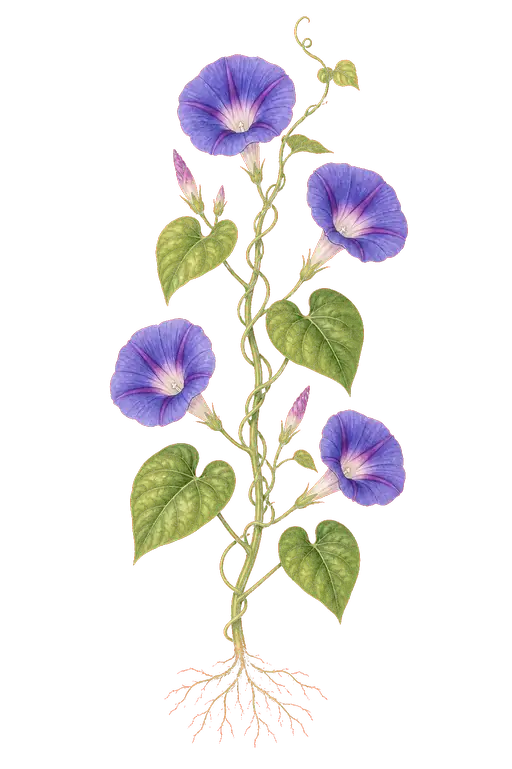
Convolvulaceae
Morning glory family
Neeli Bel belongs to the Convolvulaceae family.
The illustration represents the family — not necessarily this exact species.
Explore the Convolvulaceae familySnap it. Know it.
Point your camera at Neeli Bel or any plant and SASYA identifies it instantly — on-device, offline, and private.
Common plant problems
If you are starting from symptoms instead of a diagnosis, use the plant disease symptom checker to narrow the cause before treating.
All plant problem & care guidesMore in Convolvulaceae
View all ConvolvulaceaeSources: GBIF — Ipomoea cairica (CC BY 4.0) · iNaturalist — Ipomoea cairica (CC BY 4.0)