
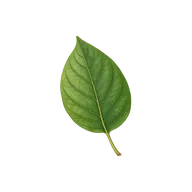
Typical of the Apocynaceae family
Holarrhena pubescens
Kutaja / Kurchi कडवा इंद्रजव
Hindi name · See all regional names ↓
Also known as Tellicherry Bark, Bitter Oleander, Easter Tree, Jasmine Tree, Coessi Bark, Ivory Tree
- Habit
- Tree
- Found in India
- Maharashtra, Karnataka, Gujarat & more
- Flowering
- March-October
Kutaja in regional languages
Find the name you know, then compare it with the botanical profile. Columns list recorded aliases; they are not paired translations. A Latin spelling appears only when it is present in the source record.
| Language | Regional script | Recorded Latin spelling |
|---|---|---|
| Hindi | कडवा इंद्रजव · कुटज | Karva Indrajau, Kutaja, kurchi |
| Nepali | बन खिर्रो · मधिसे खिर्रो · इन्द्रजौ | Ban Khirro, Madhire Khirro, Indrajau |
| Bengali | কুটজ · কুর্চি | Kurchi, Kutaja |
| Tamil | கிரிமல்லிகை · குடசப்பாலை · மலைமல்லிகை | Kirimllikai, Kutaca-P-Palai, Mlaimllikai |
| Telugu | గిరిమల్లిక · కొడిసెపాల · కోలముక్కు | Girimallika, Kodisepala, Kolamukku |
| Kannada | ಕೊಡಸಿಗೆ | Kodasige, Koodsaloo, Korchie |
| Malayalam | കുടകപ്പാല | Kutakappaala |
| Marathi | इंद्रजव · कुटज · पांढरा कुडा | Indrajav, Kutaja, Pandhra Kuda |
See the original recorded names
- Hindi
- कडवा इंद्रजव Karva Indrajau, कुटज Kutaja, kurchi
- Nepali
- बन खिर्रो Ban Khirro, मधिसे खिर्रो Madhire Khirro, इन्द्रजौ Indrajau
- Bengali
- Kurchi, কুটজ Kutaja, কুর্চি
- Tamil
- கிரிமல்லிகை Kirimllikai, குடசப்பாலை Kutaca-P-Palai, மலைமல்லிகை Mlaimllikai, குடசப்பாலை
- Telugu
- గిరిమల్లిక Girimallika, కొడిసెపాల Kodisepala, కోలముక్కు Kolamukku
- Kannada
- ಕೊಡಸಿಗೆ Kodasige, Koodsaloo, Korchie
- Malayalam
- കുടകപ്പാല Kutakappaala, കുടകപ്പാല
- Marathi
- इंद्रजव Indrajav, कुटज Kutaja, पांढरा कुडा Pandhra Kuda, पांढरा कुडा
Ecology & growing context
- Native status · Kew WCVP
- WCVP native range includes Assam, India, West Himalaya Kew dataset ↗
Kew WCVP dataset; accepted-name match. Dataset matching is separate from an individual regional review. Recorded worldwide native range: Kenya to S. Africa, Indian Subcontinent to Indo-China.
- Recorded habitat
- Deciduous and scrub forests
- Explore nearby plants
- Maharashtra →Karnataka →Gujarat →
Occurrence records show where a plant has been recorded; they do not establish that it is native there. Compare local habitat and growing conditions when choosing plants for a garden.
How to identify Kutaja
Identify Kutaja by combining habit, leaf characters, flower or fruit details, location, and its family pattern. Do not rely on one feature alone.
- Look for a tree habit.
- Check the distinctive field mark: Bark used medicinally for dysentery (kurchi).
- Confirm flower colour: White.
- In season, compare flowering and fruiting time: March-October.
- In India, compare location records such as Maharashtra, Karnataka, Gujarat, Tamil Nadu and nearby regions.
- Confirm it sits within the Apocynaceae family pattern, then compare close relatives before deciding it is Kutaja.
Plant Details
- Scientific name
- Holarrhena pubescens
- Genus
- Holarrhena
- Family
- Apocynaceae
- Habit
- Tree
- Habitat
- Deciduous and scrub forests
- Native to
- Africa, Asia
- Distribution
- India, Cambodia, Malaysia, Myanmar, Indo-China, Tropical Himalayas, Nepal, Taiwan, Province of China, Thailand, Vietnam, East Africa, South Africa, Laos, Pakistan
- Found in India
- Maharashtra, Karnataka, Gujarat, Tamil Nadu, Kerala, Telangana, Assam, Rajasthan, Meghalaya, Chhattisgarh, Madhya Pradesh, Goa, Odisha, Punjab, Uttarakhand, Bihar, Uttar Pradesh, West Bengal, Andhra Pradesh, Himachal Pradesh, Arunachal Pradesh, Delhi, Haryana, Jammu & Kashmir, Jharkhand, Nagaland, Puducherry, Sikkim
- Flowering & fruiting
- March-October
- Conservation status
- Least Concern (LC)
Leaf characters
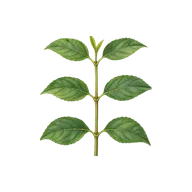
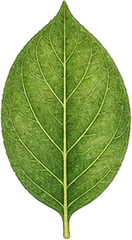
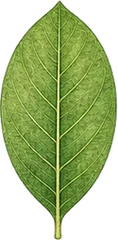
Typical of the Apocynaceae family — a field-mark hint, not measured for this exact species.
Flower & fruit characters
- Flower colour
- Whiterecorded
Typical of the family
- Inflorescence
- Cyme
- Fruit
- Follicle
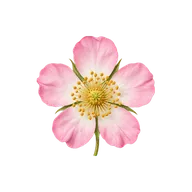
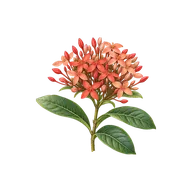
Characters marked “recorded” are for Kutaja itself; the rest are typical of the Apocynaceae family — flowering plants only.
Kutaja in India
This small tree, known as कडवा इंद्रजव Karva Indrajau (Hindi), கிரிமல்லிகை Kirimllikai (Tamil), గిరిమల్లిక Girimallika (Telugu), ಕೊಡಸಿಗೆ Kodasige (Kannada), കുടകപ്പാല Kutakappaala (Malayalam), इंद्रजव Indrajav (Marathi), is valued for its bark in traditional Ayurvedic medicine. Holarrhena pubescens is found across Maharashtra, Karnataka, Tamil Nadu, Gujarat, Kerala, Assam, typically in deciduous forest.
Uses
Its bark and seeds have a long history of traditional Ayurvedic use, particularly for digestive complaints — an attributed traditional use, not a medical claim.
How to Identify Kutaja
A small deciduous tree with milky sap and broad, opposite, oval leaves. Clusters of white, jasmine-scented flowers appear in the rainy season, followed by long, slender, paired seed pods that split to release tufted, wind-dispersed seeds.
Frequently Asked Questions
- What is Kurchi called in different Indian languages?
- कडवा इंद्रजव Karva Indrajau (Hindi); கிரிமல்லிகை Kirimllikai (Tamil); గిరిమల్లిక Girimallika (Telugu); ಕೊಡಸಿಗೆ Kodasige (Kannada); കുടകപ്പാല Kutakappaala (Malayalam); इंद्रजव Indrajav (Marathi); Kurchi (Bengali).
- Is Kutaja the same as Kurchi?
- Yes — Kutaja is the Sanskrit/Ayurvedic name and Kurchi the more common trade name for the bark of Holarrhena pubescens.
- Why does it have milky sap?
- Like many members of the dogbane family (Apocynaceae), it exudes a milky latex-like sap when cut, a common family trait.
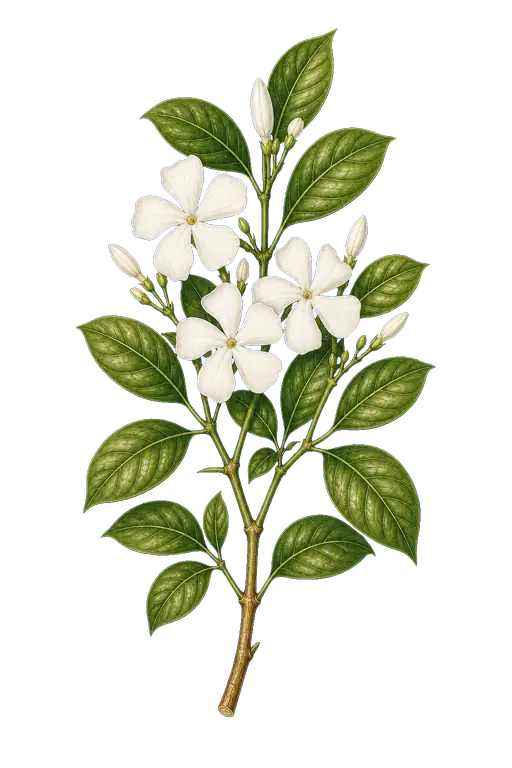
Apocynaceae
Dogbane family
Kutaja belongs to the Apocynaceae family.
The illustration represents the family — not necessarily this exact species.
Explore the Apocynaceae familySnap it. Know it.
Point your camera at Kutaja or any plant and SASYA identifies it instantly — on-device, offline, and private.
Common plant problems
If you are starting from symptoms instead of a diagnosis, use the plant disease symptom checker to narrow the cause before treating.
All plant problem & care guidesMore in Apocynaceae
View all ApocynaceaeSources: GBIF — Holarrhena pubescens (India distribution & vernacular names) (CC BY 4.0) · Wikipedia — Holarrhena pubescens (background/comprehension only) (CC BY-SA 4.0)