
Visnukrantha / Little Glory
Evolvulus alsinoides
- Habit
- Herb
- Found in India
- Telangana, Maharashtra, Tamil Nadu & more
- Flowering
- March-October
How to identify Visnukrantha
Identify Visnukrantha by combining habit, leaf characters, flower or fruit details, location, and its family pattern. Do not rely on one feature alone.
- Look for a herb habit.
- Check the distinctive field mark: Small non-twining prostrate herb.
- Confirm leaf shape: Elliptic (widest at middle).
- Confirm flower colour: Blue.
- Confirm flower arrangement: Cyme.
- In season, compare flowering and fruiting time: March-October.
- In India, compare location records such as Telangana, Maharashtra, Tamil Nadu, Karnataka and nearby regions.
Plant Details
- Scientific name
- Evolvulus alsinoides
- Genus
- Evolvulus
- Family
- Convolvulaceae
- Habit
- Herb
- Habitat
- Moist and dry deciduous forests, also in the plains
- Habitat type
- Forest
- Distribution
- Tropical & sub-tropical regions of both hemispheres
- Found in India
- Telangana, Maharashtra, Tamil Nadu, Karnataka, Rajasthan, Andhra Pradesh, Gujarat, Madhya Pradesh, Chhattisgarh, Kerala, West Bengal, Uttar Pradesh, Uttarakhand, Odisha, Himachal Pradesh, Delhi, Haryana, Jharkhand, Puducherry, Goa, Jammu & Kashmir
- Flowering & fruiting
- March-October
- Conservation status
- Not Evaluated (NE)
Leaf characters
- Leaf shape
- Elliptic (widest at middle)recorded
Typical of the family
- Arrangement
- Alternate
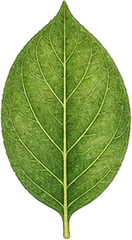

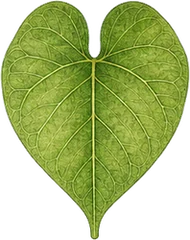
Characters marked “recorded” are for Visnukrantha itself; the rest are typical of the Convolvulaceae family.
Flower & fruit characters
- Flower colour
- Bluerecorded
- Flower arrangement
- CymerecordedA branched cluster where the central/terminal flower opens first.“The flowers are isolated or grouped in pauciflorous cymes, borne by filiform peduncles, 2.5 to 3.5 cm long.” — Wikipedia, CC BY-SA 4.0
- Fruit type
- CapsulerecordedA dry fruit from a fused ovary that splits open at maturity to release seeds.“The fruit is a globular capsule, with four valves, generally containing four seeds that are black and smooth.” — Wikipedia, CC BY-SA 4.0
Typical of the family
- Flower symmetry
- Actinomorphic (radially symmetrical)
- Inflorescence
- Cyme
- Fruit
- Capsule
Characters marked “recorded” are for Visnukrantha itself; the rest are typical of the Convolvulaceae family — flowering plants only.
Local Names
- Hindi
- Visnukrantha, Shyamakrantha
- Nepali
- शंखपुश्पी Shankhapushpee, आँकुरीफूल Aakureephool
- Tamil
- Vishnukranthi, விட்ணுகிராந்தி
- Kannada
- ವಿಷ್ಣುಕ್ರಾಂತಿ Vishnukranti, ವಿಷ್ಣುಕ್ರಾಂತ Vishnukranta, ವಿಷ್ಣುಕಾಂತಿ
- Malayalam
- Vishnukranthi, വിഷ്ണുക്രാന്തി
- Marathi
- विश्णु क्रान्ती Vishnukranti
About Visnukrantha
A member of the Convolvulaceae family, Little Glory (Evolvulus alsinoides) is a herb. In India it has been recorded in Telangana, Maharashtra, Tamil Nadu and 18 other states. It grows in moist and dry deciduous forests, also in the plains. Flowering and fruiting run from March to October.
Uses
Locally it is long used in traditional medicine. Those medicinal uses are traditional attributions, not medical advice.
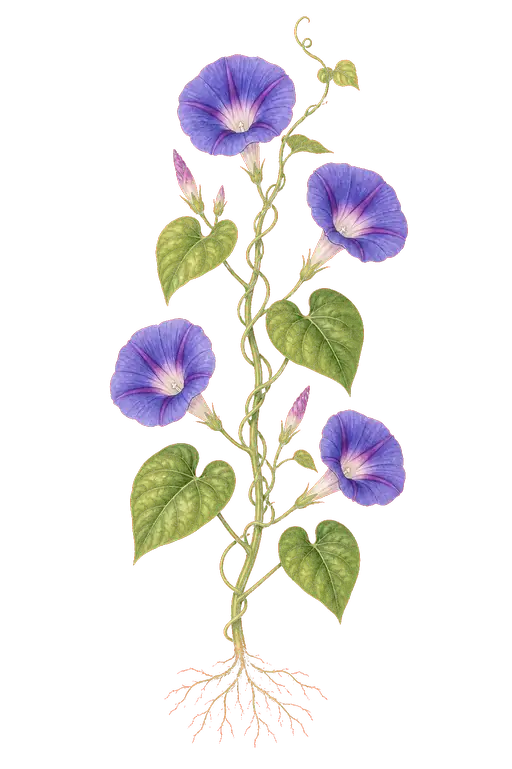
Convolvulaceae
Morning glory family
Visnukrantha belongs to the Convolvulaceae family.
The illustration represents the family — not necessarily this exact species.
Explore the Convolvulaceae familySnap it. Know it.
Point your camera at Visnukrantha or any plant and SASYA identifies it instantly — on-device, offline, and private.
Common plant problems
If you are starting from symptoms instead of a diagnosis, use the plant disease symptom checker to narrow the cause before treating.
All plant problem & care guides