Chota Chirayata / Indian Whitehead
Enicostema axillare
- Habit
- Herb
- Found in India
- Gujarat, Rajasthan, Telangana & more
- Flowering
- July-November
How to identify Chota Chirayata
Identify Chota Chirayata by combining habit, leaf characters, flower or fruit details, location, and its family pattern. Do not rely on one feature alone.
- Look for a herb habit.
- Check the distinctive field mark: Flowers clustered in leaf axils.
- Confirm flower colour: White.
- In season, compare flowering and fruiting time: July-November.
- In India, compare location records such as Gujarat, Rajasthan, Telangana, Tamil Nadu and nearby regions.
- Confirm it sits within the Gentianaceae family pattern, then compare close relatives before deciding it is Chota Chirayata.
Plant Details
- Scientific name
- Enicostema axillare
- Genus
- Enicostema
- Family
- Gentianaceae
- Habit
- Herb
- Habitat
- Foothills, moist places of deciduous forests, near sea coasts and plains
- Native to
- India
- Distribution
- India, Sri Lanka, Malaysia, Tropical Africa, West Indies
- Found in India
- Gujarat, Rajasthan, Telangana, Tamil Nadu, Maharashtra, Andhra Pradesh, Delhi, Himachal Pradesh, Madhya Pradesh, Uttarakhand
- Flowering & fruiting
- July-November
- Conservation status
- Not Evaluated (NE)
Leaf characters
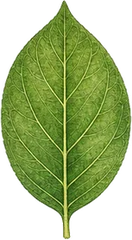
Typical of the Gentianaceae family — a field-mark hint, not measured for this exact species.
Flower & fruit characters
- Flower colour
- Whiterecorded
Typical of the family
- Flower symmetry
- Actinomorphic (radially symmetrical)
- Inflorescence
- Cyme
- Fruit
- Berry
Characters marked “recorded” are for Chota Chirayata itself; the rest are typical of the Gentianaceae family — flowering plants only.
Local Names
- Hindi
- छोटा चिरायत Chota chirayata, katvinayi, नामे Naame
- Tamil
- Vallari, Vellarugu, Arukumuli
- Kannada
- ಚಿಕ್ಕಾ ಚಿರಾಯತ Chikka chiraayuta
- Malayalam
- വല്ലാരി Vallari, Vellaruku
About Chota Chirayata
Indian Whitehead (Enicostema axillare) is a herb in the Gentianaceae family. In India it has been recorded in Gujarat, Rajasthan, Telangana and 7 other states. It grows in foothills, moist places of deciduous forests, near sea coasts and plains. Flowering and fruiting run from July to November.

Gentianaceae
Gentian family
Chota Chirayata belongs to the Gentianaceae family.
The illustration represents the family — not necessarily this exact species.
Explore the Gentianaceae familySnap it. Know it.
Point your camera at Chota Chirayata or any plant and SASYA identifies it instantly — on-device, offline, and private.
Common plant problems
If you are starting from symptoms instead of a diagnosis, use the plant disease symptom checker to narrow the cause before treating.
All plant problem & care guides