
Kare Mara / Panicled Ebony
Diospyros paniculata
- Habit
- Tree
- Found in India
- Tamil Nadu, Karnataka, Kerala & more
- Flowering
- December-May
How to identify Kare Mara
Identify Kare Mara by combining habit, leaf characters, flower or fruit details, location, and its family pattern. Do not rely on one feature alone.
- Look for a tree habit.
- Check the distinctive field mark: Flowers in branched panicles.
- Confirm leaf arrangement: Alternate.
- Confirm leaf type: Simple.
- Confirm flower colour: White.
- Confirm flower arrangement: Cyme.
- In season, compare flowering and fruiting time: December-May.
Plant Details
Leaf characters
- Leaf arrangement
- AlternaterecordedOne leaf per node, arranged in a spiral or zigzag up the stem.“The tree's leaves are simple, alternate, distichous, with petioles about 0.5–1.1 centimetres (0.20–0.43 in) long, flat, glabrous.” — Wikipedia, CC BY-SA 4.0
- Leaf type
- SimplerecordedA single, undivided leaf blade.“The tree's leaves are simple, alternate, distichous, with petioles about 0.5–1.1 centimetres (0.20–0.43 in) long, flat, glabrous.” — Wikipedia, CC BY-SA 4.0
- Leaf shape
- LanceolaterecordedLong and narrow, tapering to a point, like a lance head.“The leaf shape is usually narrow elliptic-oblong to lanceolate, with acute to acuminate apex ending in a blunt tip.” — Wikipedia, CC BY-SA 4.0
- Leaf margin
- EntirerecordedA smooth, unbroken edge with no teeth or notches.“The leaf blade is about 9–27 centimetres (3.5–10.6 in) long by 3.5–8 centimetres (1.4–3.1 in) wide, and has an entire margin and a raised midrib.” — Wikipedia, CC BY-SA 4.0
- Leaf surface
- GlabrousrecordedSmooth, hairless.“The tree's leaves are simple, alternate, distichous, with petioles about 0.5–1.1 centimetres (0.20–0.43 in) long, flat, glabrous.” — Wikipedia, CC BY-SA 4.0
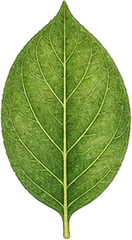
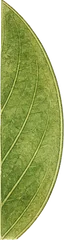
Characters marked “recorded” are for Kare Mara itself; the rest are typical of the Ebenaceae family.
Flower & fruit characters
- Flower colour
- Whiterecorded“The male flowers appear in axillary paniculate cymes and have dull or creamy white corollas, with tube 12 millimetres (0.47 in) long.” — Wikipedia, CC BY-SA 4.0
- Flower arrangement
- CymerecordedA branched cluster where the central/terminal flower opens first.“The male flowers appear in axillary paniculate cymes and have dull or creamy white corollas, with tube 12 millimetres (0.47 in) long.” — Wikipedia, CC BY-SA 4.0
- Fruit type
- BerryrecordedA fleshy fruit with seeds embedded directly in the pulp, no central stone.“The fruit is a berry.” — Wikipedia, CC BY-SA 4.0
Typical of the family
- Inflorescence
- Panicle
- Fruit
- Berry
Characters marked “recorded” are for Kare Mara itself; the rest are typical of the Ebenaceae family — flowering plants only.
Local Names
- Kannada
- ಕರೆ ಮರ kare mara
- Malayalam
- ഇല്ലെകട്ട illekatta, കാരി kari, കരിവെള്ള karivella, കാരി (മരം)
- Marathi
- टेंबुरणी temburni
About Kare Mara
Panicled Ebony (Diospyros paniculata) belongs to the Ebenaceae family, where it grows as a tree. In India it has been recorded in Tamil Nadu, Karnataka, Kerala and 1 other states. It grows in evergreen and semi-Evergreen forests. Flowering and fruiting run from December to May.
Uses
In practice it is long used in traditional medicine. Those medicinal uses are traditional attributions, not medical advice.
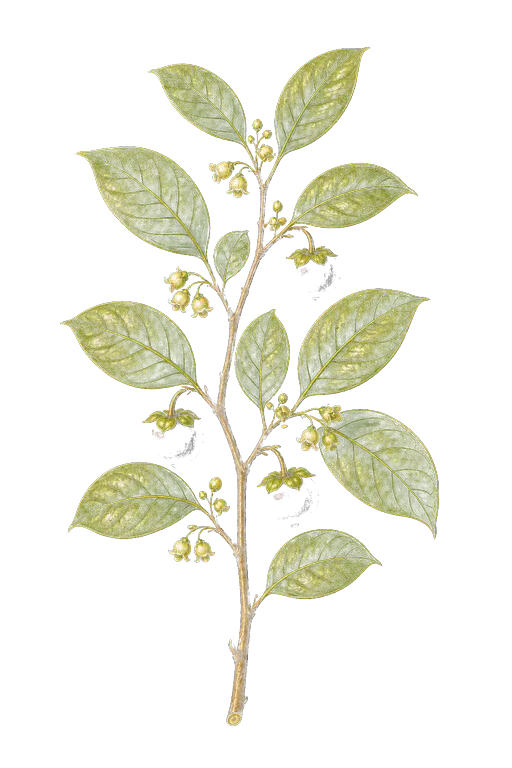
Ebenaceae
Ebony/Persimmon family
Kare Mara belongs to the Ebenaceae family.
The illustration represents the family — not necessarily this exact species.
Explore the Ebenaceae familySnap it. Know it.
Point your camera at Kare Mara or any plant and SASYA identifies it instantly — on-device, offline, and private.
Common plant problems
If you are starting from symptoms instead of a diagnosis, use the plant disease symptom checker to narrow the cause before treating.
All plant problem & care guides