
Abnus / Ebony
Diospyros ebenum
Also known as Ceylon Ebony, Malabar Ebony, East India Ebony, Black Sapote, Persimmon Ebony
- Habit
- Tree
- Found in India
- Tamil Nadu
- Flowering
- February-August
How to identify Abnus
Identify Abnus by combining habit, leaf characters, flower or fruit details, location, and its family pattern. Do not rely on one feature alone.
- Look for a tree habit.
- Check the distinctive field mark: Jet-black heartwood, true commercial ebony.
- Confirm leaf shape: Elliptic.
- Confirm leaf surface: Glabrous (smooth, hairless).
- In season, compare flowering and fruiting time: February-August.
- In India, compare location records such as Tamil Nadu.
- Confirm it sits within the Ebenaceae family pattern, then compare close relatives before deciding it is Abnus.
Plant Details
Leaf characters
- Leaf shape
- EllipticrecordedWidest at the middle, tapering evenly at both ends.“The leaves are elliptical with a prolonged oval form, about 6–15 centimetres (2.5–6 in) long and 3–5 centimetres (1–2 in) wide.” — Wikipedia, CC BY-SA 4.0
- Leaf surface
- Glabrous (smooth, hairless)recorded
Characters marked “recorded” are for Abnus itself; the rest are typical of the Ebenaceae family.
Flower & fruit characters
- Inflorescence
- Panicle
- Fruit
- Berry
Typical of the Ebenaceae family — flowering plants only; individual species can differ.
Local Names
- Hindi
- abnus, ebans
- Tamil
- வெள்ளைத்துவரை
- Telugu
- karimara, malluti
- Kannada
- ಅಬನಸ Abanasa, ಅಬನಾಸಿ abanasi, ಅಬನಾಶಿ abanashi
- Malayalam
- ebony, kari, karimaram
- Marathi
- abnus, karmar
Abnus in India
This slow-growing tree, known as abnus (Hindi), வெள்ளைத்துவரை (Tamil), karimara (Telugu), ಅಬನಸ Abanasa (Kannada), ebony (Malayalam), abnus (Marathi), produces one of the world's most prized woods. Diospyros ebenum is found across Tamil Nadu, typically in dry evergreen forest.
Uses
Its dense, jet-black heartwood is the source of true ebony, historically used for fine furniture, carving and musical instrument parts — though slow growth and overharvesting have made old-growth ebony increasingly scarce.
How to Identify Abnus
A slow-growing evergreen tree with small, glossy, dark green leaves. Small, inconspicuous flowers are followed by round fruit; the tree is far more often identified by its wood than its foliage — the heartwood is famously jet black, though only mature trees develop it.
Frequently Asked Questions
- What is Ebony called in different Indian languages?
- abnus (Hindi); வெள்ளைத்துவரை (Tamil); karimara (Telugu); ಅಬನಸ Abanasa (Kannada); ebony (Malayalam); abnus (Marathi).
- Why is ebony wood so valuable?
- Only the mature heartwood is the prized jet-black colour, and the tree grows slowly, making genuine old-growth ebony increasingly scarce and valuable.
- Is all Diospyros wood black?
- No — jet-black true ebony comes from relatively few Diospyros species like this one; most other Diospyros trees, including common persimmons, have ordinary pale wood.
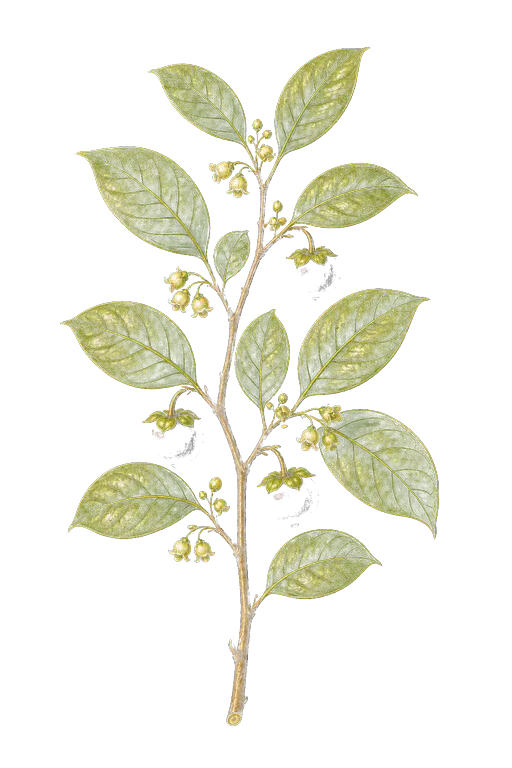
Ebenaceae
Ebony/Persimmon family
Abnus belongs to the Ebenaceae family.
The illustration represents the family — not necessarily this exact species.
Explore the Ebenaceae familySnap it. Know it.
Point your camera at Abnus or any plant and SASYA identifies it instantly — on-device, offline, and private.
Common plant problems
If you are starting from symptoms instead of a diagnosis, use the plant disease symptom checker to narrow the cause before treating.
All plant problem & care guidesMore in Ebenaceae
View all EbenaceaeSources: GBIF — Diospyros ebenum (India distribution & vernacular names) (CC BY 4.0) · Wikipedia — Diospyros ebenum (background/comprehension only) (CC BY-SA 4.0)