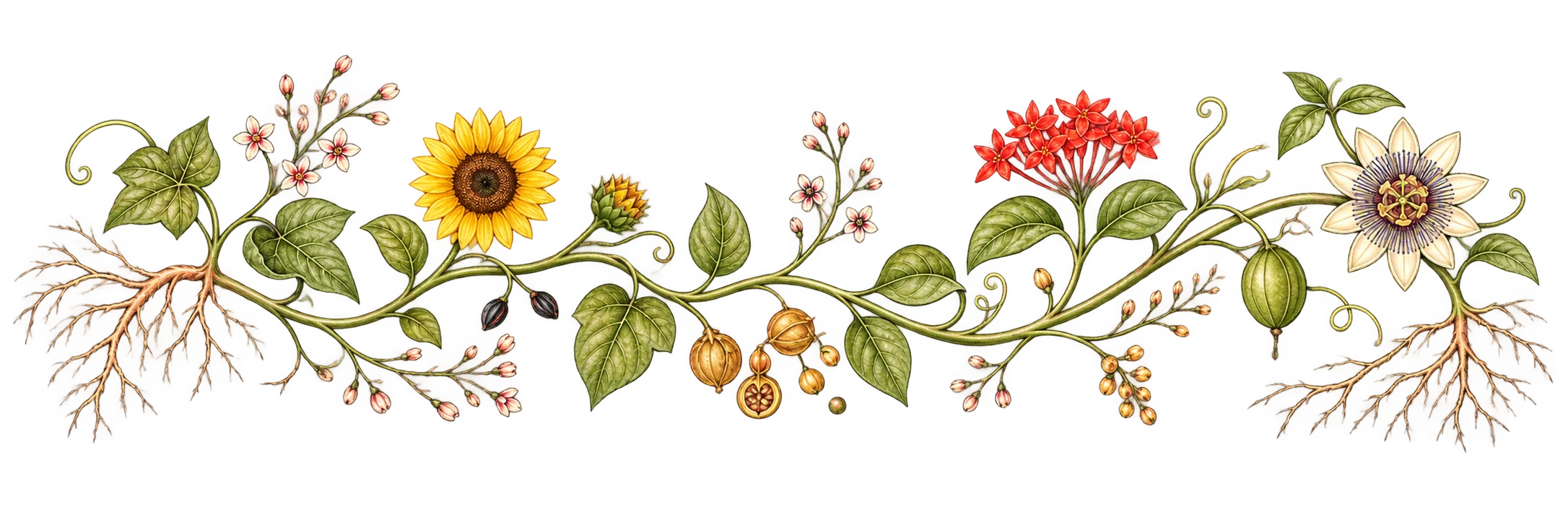
Polygonaceae family
Buckwheat/Knotweed family
14 catalogue species · Order Caryophyllales
Herbs and shrubs with characteristic membranous sheaths (ochrea) at each node. Includes buckwheat, sorrel, dock, and Japanese knotweed.
Explore the species roster ↓Field identification keys
Compare several features together. These are typical family patterns; individual species can vary. Observe without tasting or handling unfamiliar plants.
- Stem cross-section
- Round
- Leaf arrangement
- Alternate
- Leaf type
- Simple
- Flower symmetry
- Actinomorphic
- Fruit
- Achene
- Distinctive marker
- Papery sheath (ochrea) wraps the stem at each leaf node; fruit a three-angled achene.
Familiar members: Paral · Coral Vine · Ratnaaulo · Common Marsh Buckwheat · Chimati Saag
Species in Polygonaceae
14 of 14 species
Native status is regional. Range tags distinguish Kew WCVP dataset matches from individual reviews. Pet-filter records report no known toxicity to cats and dogs; some sources cover a genus or cultivar. Review the source context. Missing values are excluded, and no rating establishes suitability to eat or freedom from other hazards.
| Botanical name | Common & regional names | Origin & reviewed pet status |
|---|---|---|
| Polygonum chinense | Paral Tongue of buffalo / Chinese Knotweed
+5 languages
| Not yet reviewed |
| Antigonon leptopus | Coral Vine Vine Rose / Sandwich Island creeper / Coral Creeper / Corallita / Mexican Coral Vine / Mexican creeper / Pink Vine
+1 languages
| Introduced: India ↗︎ Kew datasetKew WCVP dataset; accepted-name match. Dataset matching is separate from an individual regional review. Recorded worldwide native range: Mexico to C. America. |
| Polygonum nepalense | Ratnaaulo Nepal Persicaria
| Not yet reviewed |
| Polygonum glabrum | Common Marsh Buckwheat Denseflower Knotweed
| Not yet reviewed |
| Polygonum plebeium | Chimati Saag Small Knotweed
+3 languages
| Native: Andaman Is., Assam, India, West Himalaya ↗︎ Kew datasetKew WCVP dataset; accepted-name match. Dataset matching is separate from an individual regional review. Recorded worldwide native range: Trop. & Subtrop. Old World. |
| Persicaria chinensis | Poovallikodi Chinese Knot Weed
| Native: Assam, India, Nicobar Is., West Himalaya ↗︎ Kew datasetKew WCVP dataset; accepted-name match. Dataset matching is separate from an individual regional review. Recorded worldwide native range: Trop. & Subtrop. Asia. |
| Oxygonum sinuatum | Wavy-Leaf Oxygonum | Introduced: India ↗︎ Kew datasetKew WCVP dataset; accepted-name match. Dataset matching is separate from an individual regional review. Recorded worldwide native range: Trop. & S. Africa, Arabian Pen.. |
| Rumex dentatus | Ambavati Toothed Dock
| Native: Assam, India, West Himalaya ↗︎ Kew datasetKew WCVP dataset; accepted-name match. Dataset matching is separate from an individual regional review. Recorded worldwide native range: Tunisia to Kuril Is. and Indo-China. |
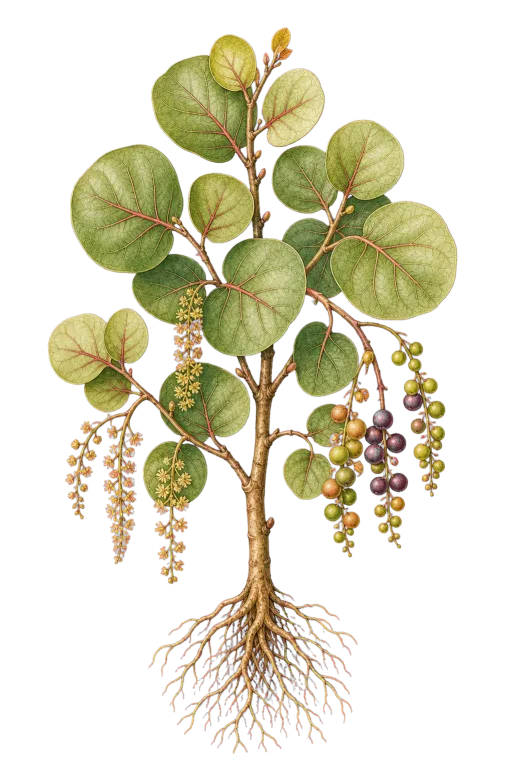
| Coccoloba uvifera | Sea Grape
| Not listed native: India ↗︎ Kew datasetKew WCVP dataset; accepted-name match. Dataset matching is separate from an individual regional review. Recorded worldwide native range: Florida to Peru, Caribbean to N. South America. Not listed native does not establish introduction or absence from India. |
| Rumex acetocella | Common Sheep Sorrel | Not yet reviewed |
| Persicaria hastatoauriculata | Snowball Flower | Native: Assam ↗︎ Kew datasetKew WCVP dataset; listed synonym of Persicaria praetermissa. Dataset matching is separate from an individual regional review. Recorded worldwide native range: Asia to E. & SE. Australia. |
| Muehlenbeckia platyclada | Tapeworm Plant | Introduced: India ↗︎ Kew datasetKew WCVP dataset; accepted-name match. Dataset matching is separate from an individual regional review. Recorded worldwide native range: Papuasia. |
| Polygonum dichotomum | Polygonum dichotomum | Not yet reviewed |
| Persicaria peduncularis | Persicaria peduncularis | Native: Assam, India ↗︎ Kew datasetKew WCVP dataset; listed synonym of Persicaria dichotoma. Dataset matching is separate from an individual regional review. Recorded worldwide native range: Indian Subcontinent to Nansei-shotō and W. & C. Malesia. |
Alternate leaves wrapped at the base by a papery, sheath-like stipule (ochrea) hugging the stem at each node; small flowers lack true petals, their colour coming from a persistent calyx instead, and ripen into a three-angled achene.
The papery nodal sheath (ochrea) is diagnostic for the whole family, and tissues in several genera are rich in oxalic acid or tannins, giving a characteristically sour or astringent taste.
Which Polygonaceae species is this?
Answer what you can see and narrow it down to a single Polygonaceae species.
How to recognise the Polygonaceae family
- 01
Leaf arrangement: alternate
- 02
Leaf type: simple
- 03
Growth forms: herb/shrub/vine
- 04
Inflorescence: spike/raceme/panicle
- 05
Fruit: trigonous achene
To check whether a plant belongs to Polygonaceae, compare the leaf arrangement, leaf type, flower symmetry, fruit type, and one distinctive marker together. A single feature can mislead; the family pattern is the combination.
Learn the full family-identification methodTypical leaf characters
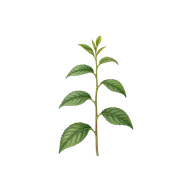
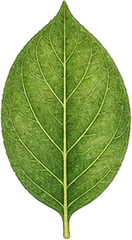
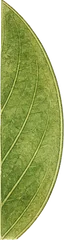
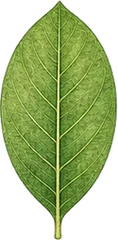
Characters typical of the family — individual species can vary.
Typical flower & fruit
- Flower symmetryActinomorphic (radially symmetrical)
- InflorescenceSpike
- FruitAchene
Typical of the family — flowering plants only; species can vary.
Families that can look similar
Amaranthaceae
Compare against Amaranthaceae when the plant shares similar leaves, flowers, or fruit. Confirm by checking the full family pattern.
Compare AmaranthaceaeAsteraceae
Compare against Asteraceae when the plant shares similar leaves, flowers, or fruit. Confirm by checking the full family pattern.
Compare AsteraceaeCactaceae
Compare against Cactaceae when the plant shares similar leaves, flowers, or fruit. Confirm by checking the full family pattern.
Compare CactaceaeNyctaginaceae
Compare against Nyctaginaceae when the plant shares similar leaves, flowers, or fruit. Confirm by checking the full family pattern.
Compare NyctaginaceaeMeet Polygonaceae in the field
Point your camera, explore possible matches and compare the field marks. Identification runs on your phone, offline and private.
Download SASYA — Free