
Proteaceae
Protea/Grevillea family
Southern hemisphere trees and shrubs. Flowers have 4 tepals with stamens attached to them. Includes protea, banksia, and grevillea.
Browse all 5 species ↓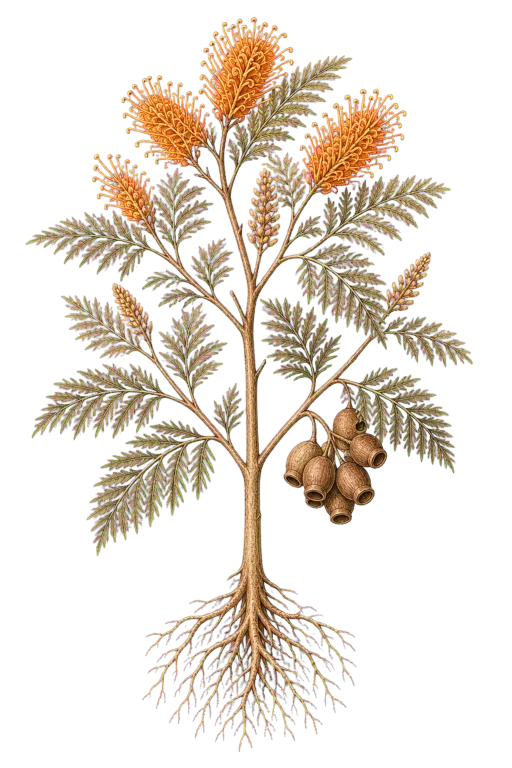
Leathery, often needle-like or deeply divided leaves on southern-hemisphere shrubs and trees; flowers lack separate petals, instead showing four tepals fused at the base with stamens attached directly to them, clustered into dense, showy heads or spikes often surrounded by colourful bracts.
Many species grow in nutrient-poor soils and compensate with dense mats of fine 'proteoid' roots that dramatically increase nutrient uptake, rather than relying on rich soil.
Which Proteaceae species is this?
Answer what you can see and narrow it down to a single Proteaceae species.
How to recognise the Proteaceae family
- 01
Leaf arrangement: alternate/whorled
- 02
Leaf type: simple/compound
- 03
Growth forms: tree/shrub
- 04
Inflorescence: raceme/spike/head
- 05
Fruit: follicle/nut
To check whether a plant belongs to Proteaceae, compare the leaf arrangement, leaf type, flower symmetry, fruit type, and one distinctive marker together. A single feature can mislead; the family pattern is the combination.
Learn the full family-identification methodTypical leaf characters
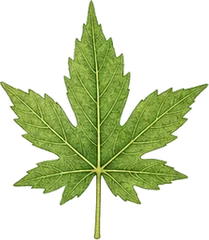
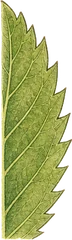
Characters typical of the family — individual species can vary.
Typical flower & fruit
- Flower symmetryZygomorphic (bilaterally symmetrical)
- InflorescenceSolitary
- FruitGrain
Typical of the family — flowering plants only; species can vary.
Notable members
Families that can look similar
Sabiaceae
Compare against Sabiaceae when the plant shares similar leaves, flowers, or fruit. Confirm by checking the full family pattern.
Compare SabiaceaePlatanaceae
Compare against Platanaceae when the plant shares similar leaves, flowers, or fruit. Confirm by checking the full family pattern.
Compare PlatanaceaeFabaceae
Compare against Fabaceae when the plant shares similar leaves, flowers, or fruit. Confirm by checking the full family pattern.
Compare FabaceaeCaesalpiniaceae
Compare against Caesalpiniaceae when the plant shares similar leaves, flowers, or fruit. Confirm by checking the full family pattern.
Compare CaesalpiniaceaeAll 5 species in PROTEACEAE
Identify any Proteaceae plant in seconds
Point your camera and SASYA names the species on-device — offline and private.
Download SASYA — Free